Evaluation & Correction of the Vestibular System
Evaluation & Correction of the Vestibular System: Enhance Neurological Function and Postural Stability Through Targeted Chiropractic Protocols
The vestibular system is a cornerstone of balance, coordination, and spatial awareness—yet it’s often overlooked in traditional chiropractic evaluations. Dysfunction in this system can manifest as poor posture, delayed motor development, sensory integration challenges, and chronic instability in both children and adults.
In this focused online training, you’ll learn how to assess and correct imbalances in the vestibular system using gentle, effective chiropractic and cranial protocols. This course gives you practical, neurologically-based tools to identify dysfunction and restore healthy communication between the inner ear, brain, and spine.
Whether you’re working with pediatric neurodevelopment, adult balance issues, or chronic postural challenges, this class will give you the skills to make a profound difference in your patients’ lives.
What You’ll Learn
- The anatomy and function of the vestibular system and its role in postural regulation
- How to evaluate vestibular integrity through neurological testing and clinical observation
- Chiropractic and cranial adjusting protocols that support vestibular balance and sensory integration
- How vestibular dysfunction affects spinal stability, motor control, and coordination
- Techniques to address compensatory patterns in the cervical spine, cranium, and dural system
Resources Provided
- Video class modules
- Evaluation & technique presentations
- Practical demonstrations
- Calls to action (CTAs)
- Complete PDF workbooks
- Full transcriptions of video classes
- Email access to Dr. Rosen & Dr. Watson
Why Take This Course?
- Vestibular imbalances are often at the root of developmental delays, learning difficulties, and balance disorders
- These protocols offer chiropractors a safe, effective way to influence deep neurological systems
- Restoring vestibular function supports better posture, movement, attention, and overall nervous system regulation
Who Is This Course For?
Chiropractors who want to:
- Expand their neurological and cranial adjusting skill set
- Address root-cause imbalances in patients with sensory, motor, or postural challenges
- Support developmental milestones and balance issues with confidence and clarity
- Deliver more comprehensive, results-driven care in family and pediatric practices
By adding vestibular assessment and correction to your clinical toolbox, you’ll unlock a new level of care—one that addresses foundational neurological patterns and helps patients achieve greater function, stability, and wellness.
Course Contents
14 Modules | 14 CTAs
-
Module 01 The Vestibular System: Balance
-
Module 02 The Vestibular System: Forward Head Posture and TMJ Joint
-
Module 03 The Vestibular System: Posterior Weight Bearing and Anterior Boot Mechanism and Postural Considerations
-
Module 04 The Vestibular System: Processing
-
Module 05 The Role of CSF
-
Module 06 Understanding the Cranium: The Dural Meningeal System
-
Module 07 Spinal and Cranial Protocols for Vestibular Imbalances
-
Module 08 Examination of the Vestibular System: Standing Vestibular
-
Module 09 Seated Exam: Visual Acuity and Eye-Hand Coordination
-
Module 10 Upper Cervical Evaluation: Atlas and Axis, Occipital Sideslip/Compression and Cranial Nerve Evaluation
-
Module 11 Demonstration of Vestibular Examination
-
Module 12 Atlas/Axis Dural Restriction Exam: Addressing Anterior Atlas Subluxation and Sacroiliac Joint Dysfunction
-
Module 13 Cranial Corrections: Occipital Flexion/Extension and CSF Balancing Techniques
-
Module 14 Cranial Corrections: Sphenoid and Temporal Corrections
Meet the Instructors
As early as first quarter in chiropractic school they were attracted to each other’s commitment to chiropractic and the pursuit of excellence. Their combined 80 years of personal and clinical and teaching experience, in delivering the chiropractic adjustment is unparalleled in the chiropractic profession. Their international outreach through teaching, writing and lecturing has been a driving force in their personal and professional careers since their first seminar taught together as students, in 1979.
Their years of experience have taught them what works and what does not work to create a successful practice and lifestyle. The more competent and comprehensive your expertise you will find that more patients will seek your services and your practice will grow exponentially.

Feedback From Our Students
-

Dr. David King
I took this program to learn more about assessing the vestibular system and alternative interventions.
The course was easy to take. The information is relevant. The information is presented clearly.
I have increased confidence in assessing and treating people with vestibular dysfunction.
-

Brigitte DeLashmette, MD
I took this program because I wanted to learn more about how the vestibular system is implicated in nervous system issues, and how to identify when it is.
I learned about symptoms/signs of over- or under-functioning vestibular cochlear nerve and I learned tests/observations that could point to vestibular malfunction as well as some physical tests to do to confirm occipital side slip or torque.
I have a few more tools to observe/check in with patients and identify if there are potential any vestibular issues.
-

Dr. Jodi Spurback
I took this program to gain a better understanding of how to interpret and correct issues of the vestibular system.
This program was a good review of the anatomy, the function of the vestibular system and its direct connection to upper cervical subluxation, and assessment of the impairments of the vestibular system.
I am more aware of findings with patients that are to a greater level of just spinal impairment.
I have not been great at assessing occipital findings so I used the occipital notch test a few times in the last week to assess occiput. It definitely helped me make a different subluxation diagnosis. Excited to implement more findings.
More Courses from Peak Potential Institute
Ready to elevate your practice and transform patient outcomes? Our 38-class ONLINE Cranial Immersion Class offers an unparalleled opportunity to learn chiropractic cranial adjusting SM protocols from A to Z. Designed for practitioners eager to master the art and science of cranial work, this immersive course will guide you through every aspect—from foundational anatomy to advanced correction techniques.
A course designed for parents, caregivers, chiropractors, and healthcare professionals.
Every child deserves the best start possible. But subtle cranial and facial distortions — often dismissed as “common” — can disrupt key developmental milestones during the most critical years of brain growth. This course helps you recognize those early red flags. Led by Drs. Marty Rosen and Nancy Watson, with parent-child coach Ashley Dalidowitz, you’ll learn how these structural imbalances affect neurological function and what you can do to support optimal development from the start. Whether you’re a parent seeking answers or a professional supporting pediatric families, this course offers the insight, tools, and clarity you need to support your child’s optimal functional development.
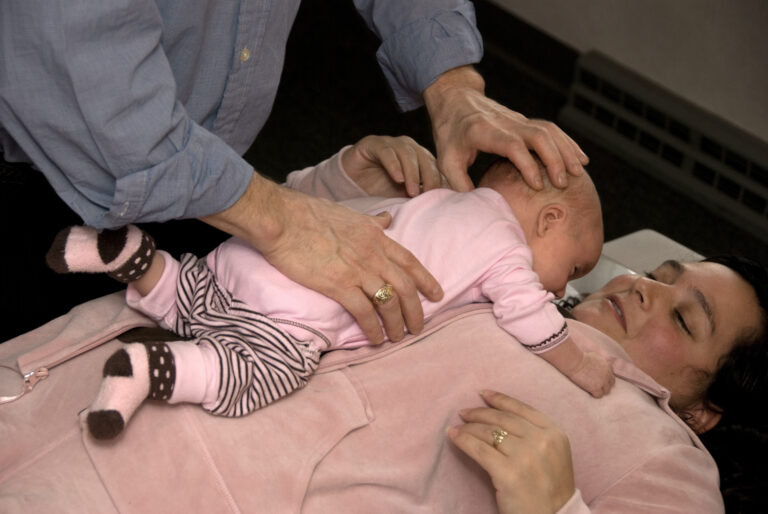
Can a Chiropractic Adjustment Be Both Gentle and Highly Specific? Chiropractic low-intensity spinal adjusting uses precise positioning, specific contacts and neurologically informed reflex responses to support gentle correction without forcing motion. Through precise positioning and the facilitation of the body’s proprioceptive and nociceptive reflexes, it helps restore structural balance by encouraging the body to return to its optimal state of ease.
In this online program, Dr. Martin Rosen teaches chiropractors how to evaluate and address cervical, thoracic, lumbar and pelvic dysfunction/subluxation using low-intensity procedures. Participants learn neurological indicators, contact points, positioning principles, adjusting sequences and re-evaluation procedures they can use with specificity and confidence, especially when high-velocity adjusting may not be appropriate or preferred.