Cerebrospinal Fluid (CSF): Lifeblood of the CNS
CSF: The Lifeblood of the Central Nervous System - Mastering Cranial Techniques to Optimize Neurological Function
Cerebrospinal fluid (CSF) is essential for protecting, nourishing, and regulating the central nervous system. When its flow is compromised, neurological balance, immune function, and overall systemic health can suffer—especially in infants, children, and individuals with chronic health challenges.
In this advanced online course, you’ll gain a clear understanding of how CSF is produced, circulated, and affected by cranial and spinal imbalances. You’ll also learn specific evaluation and cranial adjusting protocols that restore healthy CSF flow and enhance the function of the entire nervous system.
This is a must-have class for chiropractors who want to deepen their cranial adjusting skills and elevate their impact on neurological health.
What You’ll Learn
- The physiology, production, and circulation of cerebrospinal fluid
- How cranial and dural restrictions affect CSF flow and neurological integrity
- Key indicators of CSF imbalance in pediatric and adult patients
- Step-by-step cranial techniques to support optimal CSF movement
- How restoring CSF dynamics enhances immune function, detoxification, and neurological regulation
Resources Provided
- Video class modules
- Evaluation & technique presentations
- Practical demonstrations
- Calls to action (CTAs)
- Complete PDF workbooks
- Full transcriptions of video classes
- Email access to Dr. Rosen & Dr. Watson
Why Take This Course?
- CSF is essential for brain and spinal cord function—its flow must be addressed in any true neurologically-based care model
- Cranial distortions and dural torque can significantly impede CSF dynamics, leading to long-standing health issues
- Gentle, specific corrections can dramatically improve outcomes in patients with sensory, developmental, immune, and chronic neurological concerns
Who Is This Course For?
Chiropractors who want to:
- Advance their cranial adjusting proficiency
- Expand their impact in pediatric, family, and wellness care
- Address deeper neurological patterns that influence long-term health and healing
- Offer a vital piece of care often overlooked in traditional chiropractic protocols
If you’re ready to refine your skills, expand your clinical effectiveness, and bring a new dimension to your chiropractic care—this course is for you.
Course Contents
9 Modules | 9 CTAs
-
Module 01 CSF and its Effects
-
Module 02 CSF and Primary and Secondary Motion
-
Module 03 Facial Planes, Muscles, and Ligaments
-
Module 04 Key Continuities of the Dural Meningeal System
-
Module 05 Cranial Dural Mechanics
-
Module 06 Cranial Rhythm, Impulse Technique, and CSF Balancing Technique
-
Module 07 CSF Regulation Technique
-
Module 08 Occipital Pump and Spread and Temporal Bone Balancing
-
Module 09 Ventricular Bulb Technique
Meet the Instructors
As early as first quarter in chiropractic school they were attracted to each other’s commitment to chiropractic and the pursuit of excellence. Their combined 80 years of personal and clinical and teaching experience, in delivering the chiropractic adjustment is unparalleled in the chiropractic profession. Their international outreach through teaching, writing and lecturing has been a driving force in their personal and professional careers since their first seminar taught together as students, in 1979.
Their years of experience have taught them what works and what does not work to create a successful practice and lifestyle. The more competent and comprehensive your expertise you will find that more patients will seek your services and your practice will grow exponentially.

Feedback From Our Students
-

Alicia Loaiza, DC
My takeaway from this program is the importance of the CSF.
This program has made me more attentive to patient’s CSF flow.
A patient, who felt anxious, felt less anxious after using these techniques
Love the content.
-

Daniel Tierney, DC
This program is knowledgeable, clinically useful, with concise learning materials.
The program has provided greater depth of understanding to the interconnectedness of the human system. By using this information, it helps bring yet more tools to my patients.
In following the CSF Regulation Technique protocol, it was noted post application the patient’s body system was more relaxed.
I recommend this course as a good overview course. If you want to better understand the interconnected cerebral fluid flow via cranial, sacral and fascial impacts this is a great place to start.
Thank you for sharing your knowledge on the topic.
-

Ryan Hunter, DC
Dr. Martin’s expertise shines through his substantive communication style. Every word he utters is packed with valuable content, devoid of any unnecessary fluff or filler. This experience equipped me with practical tools that have expanded my ability to assist others in ways I hadn’t previously been able to. I got out of it what I wanted to. Which was learning more about CSF flow and how to help improve that flow.
This experience provided me with invaluable practical tools that have significantly broadened my capacity to aid others in ways I hadn’t accessed before. Personally, I achieved my goal of deepening my understanding of CSF flow and learning effective methods to enhance it.
I’ve been applying these techniques with my partner, and she consistently shares feeling more relaxed after each session. That’s a significant achievement for me.
It’s always rewarding to acquire new knowledge, especially when it directly applies to my own life. The practical relevance makes the learning experience even more fulfilling.
More Courses from Peak Potential Institute

Cranial distortion patterns, including Plagiocephaly now affects nearly 1 in 2 infants, yet many practitioners are trained to view it as cosmetic rather than neurological and biomechanical. This comprehensive program is designed specifically for chiropractors who want a clear, structured protocol for evaluating and managing cranial asymmetry with precision and confidence.
This course goes far beyond identifying a “flat head.” You will learn how plagiocephaly, brachycephaly, and scaphocephaly reflect deeper dural meningeal tension patterns, cranial base distortions, spinal involvement, and CSF imbalance, all of which influence growth, posture, and neurological organization.
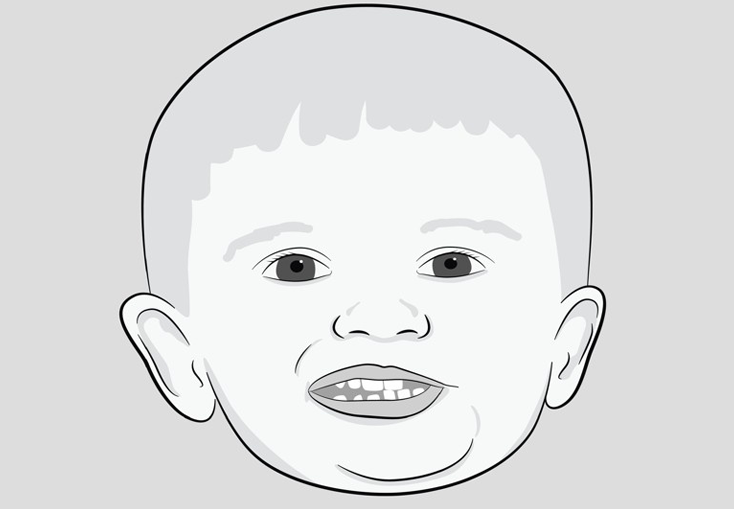
A course designed for parents, caregivers, chiropractors, and healthcare professionals.
Every child deserves the best start possible. But subtle cranial and facial distortions — often dismissed as “common” — can disrupt key developmental milestones during the most critical years of brain growth. This course helps you recognize those early red flags. Led by Drs. Marty Rosen and Nancy Watson, with parent-child coach Ashley Dalidowitz, you’ll learn how these structural imbalances affect neurological function and what you can do to support optimal development from the start. Whether you’re a parent seeking answers or a professional supporting pediatric families, this course offers the insight, tools, and clarity you need to support your child’s optimal functional development.
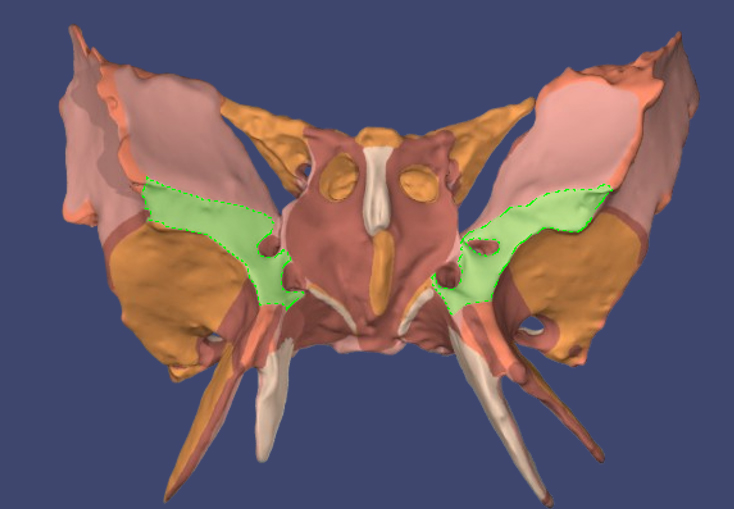
This online course provides an in-depth exploration of the sphenobasilar mechanism (the key to the cranium), focusing on its anatomy, physiology, common distortion patterns, and effective correction techniques. Participants will gain practical skills to evaluate and adjust the sphenobasilar junction, enhancing patient outcomes and expanding their chiropractic expertise.