
Articles


News and discussion on chiropractic technique, practice management, research and philosophy.

Dr. Martin Rosen

Birth as a Neurological Event

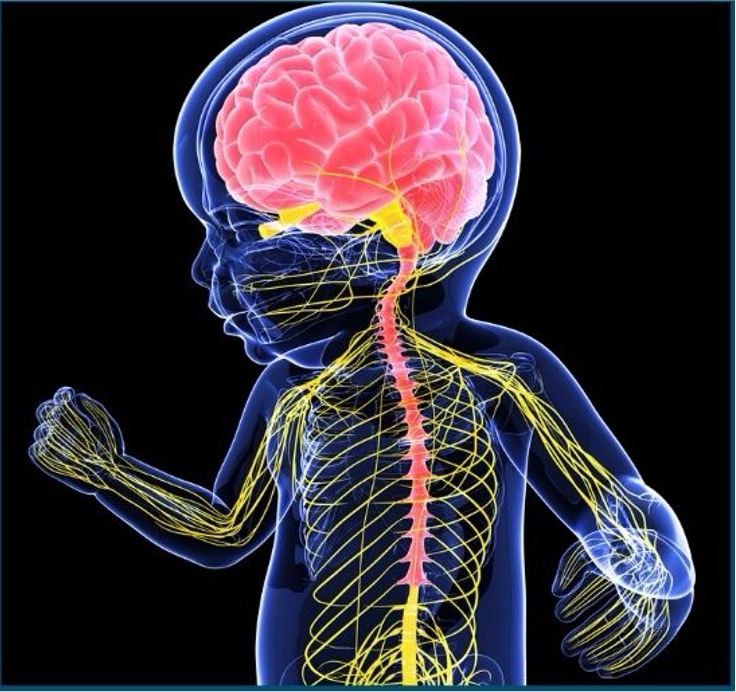
Birth is often viewed as a structural or mechanical event — a baby moving through the birth canal and entering the world. But from a neurological and developmental perspective, birth is far more than that. It is one of the most significant neurological transitions a human being will ever experience. The newborn enters life with an immature yet rapidly developing nervous system that must immediately adapt to gravity, breathing, feeding, sensory stimulation, movement, temperature regulation, and social interaction. Every moment of the birth process influences how the infant’s nervous system organizes itself for this new environment. Even the seemingly simple act of the baby lying with their head down towards the birth canal can be viewed as the first primal reflex – a neurological phenomenon.

Dr. Martin Rosen

Mouth Breathing in Children and Adults: Understanding Airway Function, Adaptation, and Long-Term Impact

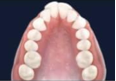
Breathing is one of the most fundamental functions of the human body, yet how we breath, through the nose or the mouth, can have a profound effect on development, structure, and overall health. In both children and adults, mouth breathing is often seen as a common pattern, but from a clinical perspective, it is not normal. It is typically a sign that the body has adapted to a challenge within the airway structures (including the sinuses, structural compensations in the cranium or palate, or nervous system dysfunction).

Dr. Martin Rosen

Chiropractic and Parenting Within the Salutogenic Model

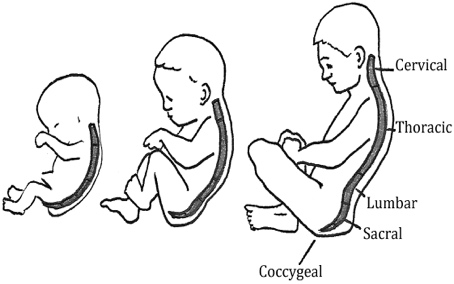
The first three years of life represent a critical period of neurological growth and structural organization. During this window, sensory input, motor sequencing, spinal and cranial development, and autonomic regulation interact to establish foundational neural pathways. The salutogenic model of health, introduced by Antonovsky, emphasizes factors that support resilience and adaptability rather than focusing solely on pathology.