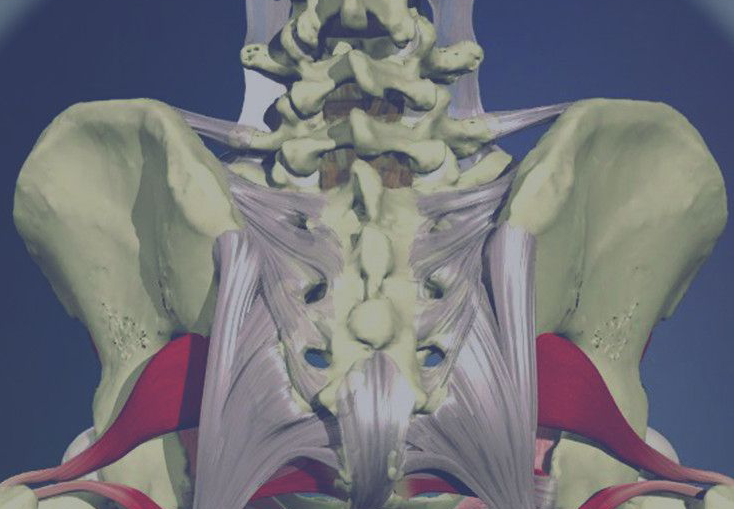
SOT®: The Three Categories
SOT®: The Three Categories - Master the Foundational System That Transforms Neurological and Structural Care
Understanding and applying the Sacro Occipital Technique® (SOT®) Three Category System is the key to delivering consistent, comprehensive, and neurologically-based chiropractic care.
In this on-demand online course, you’ll learn to evaluate and correct structural and neurological imbalances by identifying which SOT® Category pattern a patient presents—Category I, II, or III. These three distinct patterns reveal the body’s current compensations, guiding you to apply precise corrections that support spinal stability, cranial balance, and optimal nervous system function.
Whether you’re new to SOT® or looking to deepen your understanding, this course gives you a clear and practical roadmap to apply the Three Category System in your daily practice.
What You’ll Learn
- The neurology and biomechanics behind each of the Three SOT® Categories
- How to accurately assess and differentiate between Category I, II, and III patterns
- Step-by-step adjusting protocols specific to each Category
- The role of the pelvic and cranial systems in spinal and postural balance
- Clinical indicators that help identify primary vs. compensatory patterns
Resources Provided
- Video class modules
- Evaluation & technique presentations
- Practical demonstrations
- Calls to action (CTAs)
- Complete PDF workbooks
- Full transcriptions of video classes
- Email access to Dr. Rosen & Dr. Watson
Why Take This Course?
- A complete evaluation and correction system that enhances patient outcomes
- Greater clarity and confidence in case management
- Tools to support spinal stability, reduce neurological stress, and improve long-term results
- Strategies that integrate seamlessly into family, pediatric, and wellness-based practices
- The SOT® Category System is foundational to effective, full-body chiropractic care
- It provides a lens to see what’s really happening in the body—and how to correct it
- When applied correctly, these protocols create sustainable, measurable changes for patients of all ages
Who Is This Course For?
Chiropractors who want to:
- Learn or refine their SOT® adjusting skills
- Deliver more neurologically-based care
- Improve clinical outcomes with a systemized, repeatable approach
- Serve a broader patient base—from infants to adults—with greater precision
If you’re ready to elevate your clinical skills and offer care that’s both gentle and deeply effective, this course will give you the tools to do it. The SOT® Category System is the blueprint for whole-body balance—and this course is your guide to mastering it.
Course Contents
15 Modules | 15 CTAs
-
Module 01 Introduction to SOT®
-
Module 02 Introduction to the Three Categories
-
Module 03 Subluxation
-
Module 04 Introduction to the SOT® Examination
-
Module 05 Standing and Prone Examination
-
Module 06 Supine and Seated Examination
-
Module 07 Correlation of Examination Findings
-
Module 08 Anatomy and Physiology of Category II
-
Module 09 Category II Adjusting Protocols
-
Module 10 Category III Evaluation Findings
-
Module 11 Category III Adjusting Protocols
-
Module 12 Anatomy and Physiology of Category I
-
Module 13 Category I Adjusting Protocols
-
Module 14 Occipital Fiber Analysis and Adjusting Protocols
-
Module 15 Clinical Applications of SOT® Category System
Meet the Instructors
As early as first quarter in chiropractic school they were attracted to each other’s commitment to chiropractic and the pursuit of excellence. Their combined 80 years of personal and clinical and teaching experience, in delivering the chiropractic adjustment is unparalleled in the chiropractic profession. Their international outreach through teaching, writing and lecturing has been a driving force in their personal and professional careers since their first seminar taught together as students, in 1979.
Their years of experience have taught them what works and what does not work to create a successful practice and lifestyle. The more competent and comprehensive your expertise you will find that more patients will seek your services and your practice will grow exponentially.

Feedback From Our Students
-
Nolan Halverson, DC
My three takeaways:
1. Easy flexible online learning.
2. Understanding of 3 Categories, where to block and adjust.
3. Understanding exams needed to correctly “diagnose” (bad word but couldn’t think of another way) a category.I will definitely implement the SOT blocking and canal work into my office.
If someone is looking to understand SOT, absolutely would recommend this course. Great intro to the technique.
-
Dr. John Johr
Extremely knowledgeable, very engaging, easy to follow and understand.
I have a better understanding of my own pain issues, and I have more confidence in working with extreme cases.. disc etc.
Chronic SI joint issue, many years. I’ve had limited success in working with this particular patient. Used Category II blocking and protocol. Remedied in 4 visits.
Yes, I would recommend this. Gives a better understanding of what is occurring in most patients.
Thank you for taking time to put all this together!!
-

Dr. Hui Yi Yap
I learnt that SOT can be gentle and neurological based.
It changed how I see the body as an interconnected system.
I applied some of the techniques in my clinical year of practice and patients have provided great feedback!
Yes, I would recommend this course.
More Courses from Peak Potential Institute
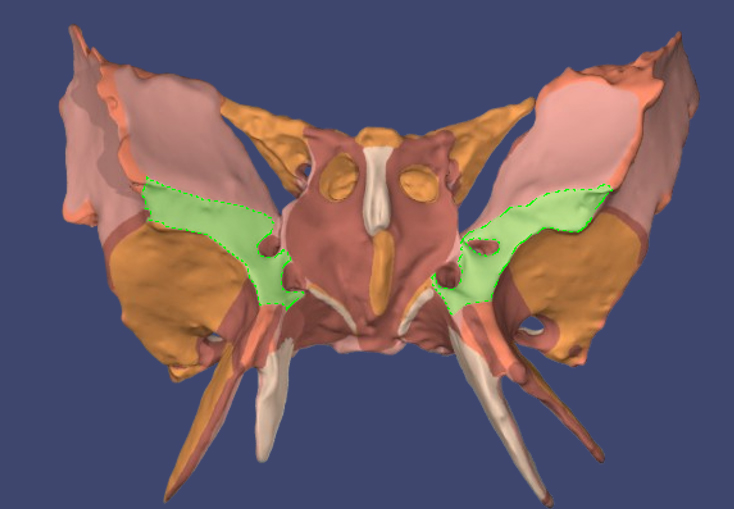
This online course provides an in-depth exploration of the sphenobasilar mechanism (the key to the cranium), focusing on its anatomy, physiology, common distortion patterns, and effective correction techniques. Participants will gain practical skills to evaluate and adjust the sphenobasilar junction, enhancing patient outcomes and expanding their chiropractic expertise.

Understand CSF physiology and into the critical role of cerebrospinal fluid (CSF) within the central nervous system. Learn chiropractic cranial adjusting techniques to improve CSF flow and neurological regulation.

Can a Chiropractic Adjustment Be Both Gentle and Highly Specific? Chiropractic low-intensity spinal adjusting uses precise positioning, specific contacts and neurologically informed reflex responses to support gentle correction without forcing motion. Through precise positioning and the facilitation of the body’s proprioceptive and nociceptive reflexes, it helps restore structural balance by encouraging the body to return to its optimal state of ease.
In this online program, Dr. Martin Rosen teaches chiropractors how to evaluate and address cervical, thoracic, lumbar and pelvic dysfunction/subluxation using low-intensity procedures. Participants learn neurological indicators, contact points, positioning principles, adjusting sequences and re-evaluation procedures they can use with specificity and confidence, especially when high-velocity adjusting may not be appropriate or preferred.