Chiropractic Cranial Immersion Program
Chiropractic Cranial Immersion Program
Ready to elevate your practice and transform patient outcomes? Our 38-class ONLINE Cranial Immersion Class offers an unparalleled opportunity to learn chiropractic cranial adjusting SM protocols from A to Z. Designed for practitioners eager to master the art and science of cranial work, this immersive course will guide you through every aspect—from foundational anatomy to advanced correction techniques.
This is the unique experience you’ve been seeking to perfect your cranial adjusting skills and expand your ability to serve more people, more effectively. Master a specialized skill set that allows you to access the other 80% of the central nervous system—expertise that sets you apart from other chiropractors. By enhancing your capacity to help your patients achieve better outcomes, you’ll also position your practice for growth, driven by consistent referrals from satisfied patients and healthcare professionals alike.
Whether you’re new to cranial adjusting or looking to refine your skills, this class will empower you with the knowledge, hands-on techniques, and confidence to effectively assess and address cranial dysfunctions. Join us and discover how to make a profound difference in your patients’ health and well-being!
What You’ll Learn
- Complete evaluation of cranial physiology
- A deep dive into cranial examination and chiropractic cranial adjusting TM procedures
- External and intra-oral chiropractic cranial adjusting TM techniques
- 6 specific indicators to help determine the major cranial bone subluxtion/s
- CSF balancing, sphenobasilar correction, specific cranial bone corrections, symptom specific techniques, and more will be covered in detail in the class
Resources Provided
- Video class modules
- Evaluation & technique presentations
- Practical demonstrations
- Calls to action (CTAs)
- Interactive private Facebook group
- Complete PDF workbooks
- Email access to Dr. Rosen & Dr. Watson
Course Contents
38 Modules | 38 CTAs
-
Module 01 Anatomy of the Cranium
-
Module 02 Sutural Palpation Exercise
-
Module 03 Key Continuities and CSF
-
Module 04 Ventricles and CSF
-
Module 05 Cranial Bone Motion
-
Module 06 CSF Palpation Exercise
-
Module 07 Basic Adjusting Guidelines
-
Module 08 CSF Techniques
-
Module 09 CSF Techniques (Continued)
-
Module 10 Parasympathetic Balancing Techniques
-
Module 11 Sphenobasilar Evaluation and Correction
-
Module 12 Fruit Jar Techniques
-
Module 13 Symptom-Specific Techniques
-
Module 14 Symptom-Specific Techniques (Continued)
-
Module 15 CSF Directing and Closing Techniques
-
Module 16 Cranial Examination
-
Module 17 Correlation of Clinical Findings
-
Module 18 Live Demonstrations: Part 1
-
Module 19 Live Demonstrations: Part 2
-
Module 20 Live Demonstrations: Part 3
-
Module 21 Anatomy and Physiology of the Cranium: Part 1
-
Module 22 Anatomy and Physiology of the Cranium: Part 2
-
Module 23 Cranial Mechanics
-
Module 24 Visual Analysis
-
Module 25 Cranial Adjusting Guidelines
-
Module 26 Intra-Oral Contacts Correction of Occipital Extension and Flexion
-
Module 27 Temporal Bone Internal and External Corrections
-
Module 28 Frontal Bone Internal and External Corrections
-
Module 29 Maxillary Palatine Sphenoid Corrections
-
Module 30 Sphenoid Corrections
-
Module 31 Occipital Correction Demonstration
-
Module 32 Temporal Bone Correction Demonstration
-
Module 33 Frontal Bone Correction Demonstration
-
Module 34 Sphenobasilar and Sphenomaxillary Suture Correction Demonstration
-
Module 35 Palate Corrections and Sagittal Suture Release
-
Module 36 The Palate
-
Module 37 Guidelines for Cranial Adjusting
-
Module 38 Primitive Reflexes - Combined Neurological Process
Meet the Instructors
As early as first quarter in chiropractic school they were attracted to each other’s commitment to chiropractic and the pursuit of excellence. Their combined 80 years of personal and clinical and teaching experience, in delivering the chiropractic adjustment is unparalleled in the chiropractic profession. Their international outreach through teaching, writing and lecturing has been a driving force in their personal and professional careers since their first seminar taught together as students, in 1979.
Their years of experience have taught them what works and what does not work to create a successful practice and lifestyle. The more competent and comprehensive your expertise you will find that more patients will seek your services and your practice will grow exponentially.

Feedback From Our Students
-

Nicole Whitehead, DC
That chiropractic cranial correction, like spinal adjusting, is highly specific; that chiropractic cranial correction can easily be done within the context of a chiropractic visit as long as an appropriate cranial exam has been done; that cranial correction is not just about sutures and cranial bone mobility but mostly about dural-meningeal tension and CSF pressure and movement.
As a 22-year practitioner, it’s awesome to add not just a new tool, but really a whole new kit of tools, to my clinical toolbox to better serve my patient population. I’m already seeing great clinical benefits. Also, as I age, it feels good to add more skills and offerings that are easy on my body that I can lean into as time goes on so that I can practice for as long as I want to.
One of my long-time patients has terrible anterolisthesis/lumbar stenosis and in the last year or so has developed dizziness, occasional confusion, and visual and auditory hallucinations. She has been thoroughly worked up medically and has been diagnosed with early onset Lewy body dementia. I’m confident this is due to the altered CSF flow from the narrowing in her lumbar spine. I found occipital and R temporal dysfunction, improved those and focused on increasing CSF movement when I see her each week. She says it’s the only thing that calms her symptoms.
Yes, I would recommend this program. Your teaching methods help ensure true uptake and integration of the material, the material is accessible to someone without deep roots in SOT, and the intraoral work is covered really well.
I like the repetition in the program, which really helps the information to integrate and become second-nature. Thank you for the extra time to get through the material. Great course!
-
Dr. Jesse Lang
My three takeaways:
1. The amount of knowledge in this course is priceless.
2. Easy to comprehend and to implement from the start.
3. We could help so many more people with these techniques.It keeps you humble when you think there is not more out there when you have been practicing for a couple decades, but Dr. Rosen shows we have only touched the tip. lol!
Was able to unlock a patient’s jaw applying the techniques learned from the program.
Yes, of course I would recommend this program. So much to learn from and keep coming back to the workbook and transcripts to keep picking up new nuggets.
I thank you from the bottom of my heart for what you have done for the profession and what you continue to do to help docs and students excel in their careers.
-
Jeanette Honig, DC
The three takeaways that I can give you about this program is 1. This is a fantastic program that has taught me the most about the cranium and how to correct the cranial bones. 2. This program has made me extremely knowledgeable about treating the cranium. 3. I now have the confidence that I needed to treat the cranium.
This program has impacted my life personally because now, even more doctors are referring patients to me to treat their patients!
I applied these techniques to treating a child who could not even brush his teeth without gagging, the outcome was amazing, this child can now brush his teeth without gagging. This not only changed his life, but his family’s as well, because they no longer have to worry about him brushing his teeth or going to a dentist.
I would definitely recommend this class to others! This class is amazing and so is Dr. Rosen, Dr. Watson and of course Dr. Ken Cooper and Dr. Jacobe Holman, all who helped teach this class.
More Courses from Peak Potential Institute
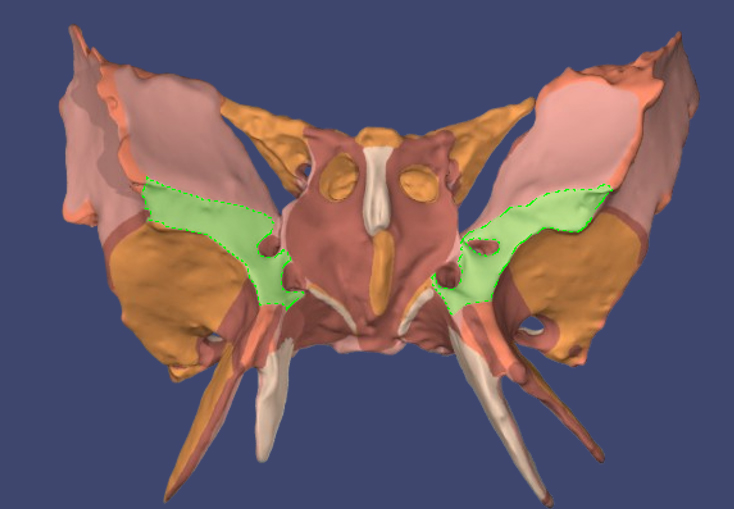
This online course provides an in-depth exploration of the sphenobasilar mechanism (the key to the cranium), focusing on its anatomy, physiology, common distortion patterns, and effective correction techniques. Participants will gain practical skills to evaluate and adjust the sphenobasilar junction, enhancing patient outcomes and expanding their chiropractic expertise.
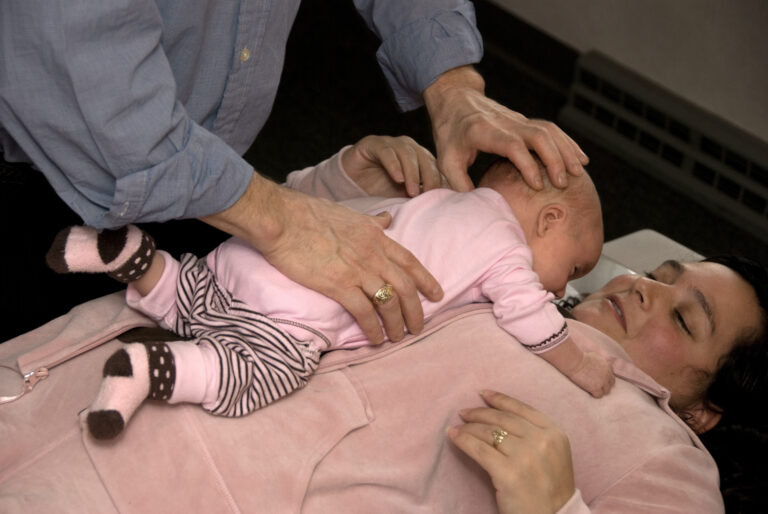
Can a Chiropractic Adjustment Be Both Gentle and Highly Specific? Chiropractic low-intensity spinal adjusting uses precise positioning, specific contacts and neurologically informed reflex responses to support gentle correction without forcing motion. Through precise positioning and the facilitation of the body’s proprioceptive and nociceptive reflexes, it helps restore structural balance by encouraging the body to return to its optimal state of ease.
In this online program, Dr. Martin Rosen teaches chiropractors how to evaluate and address cervical, thoracic, lumbar and pelvic dysfunction/subluxation using low-intensity procedures. Participants learn neurological indicators, contact points, positioning principles, adjusting sequences and re-evaluation procedures they can use with specificity and confidence, especially when high-velocity adjusting may not be appropriate or preferred.
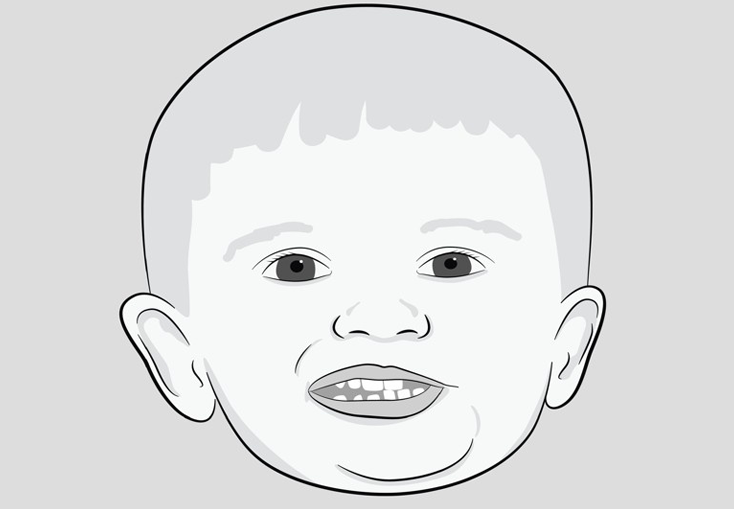
A course designed for parents, caregivers, chiropractors, and healthcare professionals.
Every child deserves the best start possible. But subtle cranial and facial distortions — often dismissed as “common” — can disrupt key developmental milestones during the most critical years of brain growth. This course helps you recognize those early red flags. Led by Drs. Marty Rosen and Nancy Watson, with parent-child coach Ashley Dalidowitz, you’ll learn how these structural imbalances affect neurological function and what you can do to support optimal development from the start. Whether you’re a parent seeking answers or a professional supporting pediatric families, this course offers the insight, tools, and clarity you need to support your child’s optimal functional development.