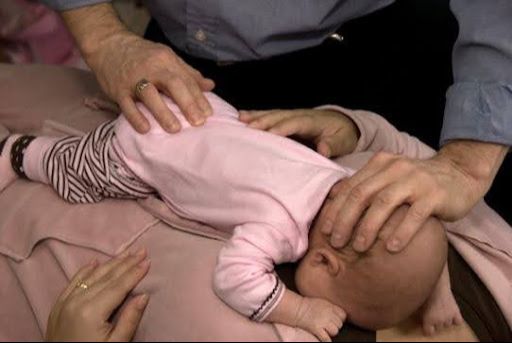
Balancing the Sacro-Occipital Respiratory Motion (SOR)
Balancing the Sacro-Occipital Respiratory Motion: Restore Core Rhythmic Balance to Enhance Structural and Neurological Function
The rhythmic motion between the sacrum and occiput is a foundational element of chiropractic and cranial care. This subtle yet powerful system influences cerebrospinal fluid flow, dural tension, respiratory mechanics, and overall postural integrity. When this sacro-occipital respiratory motion (SORM) is disrupted, it can lead to a cascade of compensatory patterns throughout the body.
In this specialized online training, you’ll learn to evaluate and correct imbalances in the SORM system using gentle, effective techniques grounded in Sacro Occipital Technique® (SOT®) and cranial adjusting principles. These protocols are essential for chiropractors who want to work at the intersection of structure, function, and fluid dynamics.
Whether you’re caring for newborns, children, or adults, the ability to influence this primary motion system can lead to profound clinical changes and greater long-term stability.
What You’ll Learn
- The anatomy and physiology behind sacro-occipital respiratory motion (SORM)
- How to assess imbalances in SORM and recognize patterns of dysfunction
- Hands-on correction techniques to restore fluidity and synchronization between the sacrum and occiput
- The impact of SORM balance on cranial rhythm, spinal alignment, and neurological regulation
- How to integrate SORM protocols into your existing adjusting systems for greater clinical impact
Resources Provided
- Video class modules
- Evaluation & technique presentations
- Practical demonstrations
- Calls to action (CTAs)
- Complete PDF workbooks
- Full transcriptions of video classes
- Email access to Dr. Rosen & Dr. Watson
Why Take This Course?
- SORM is one of the body’s core regulatory rhythms—its correction enhances CSF flow, autonomic balance, and postural tone
- Restoring balance between the sacrum and occiput can resolve persistent distortion patterns and improve adjusting outcomes
- These protocols are gentle, non-invasive, and applicable to all patient populations
Who Is This Course For?
Chiropractors who want to:
- Expand their cranial and SOT® skills with advanced yet practical protocols
- Address deep-seated structural and neurological patterns that affect whole-body function
- Deliver more comprehensive care with low-force, high-impact techniques
- Enhance their ability to serve pediatric, family, and wellness-based practices
Balancing sacro-occipital respiratory motion brings new depth to your clinical care. It’s the kind of subtle, foundational work that leads to profound, lasting transformation—and this course shows you exactly how to do it.
Course Contents
8 Modules | 8 CTAs
-
Module 01 Primary Dural Subluxation
-
Module 02 Sacral Occipital Motion
-
Module 03 SOR Evaluation
-
Module 04 Anterior Sacrum and Sacral Segmental Adjustment
-
Module 05 Occipital Sideslip and Compression and Line One Occipital Fiber
-
Module 06 Steps for Ascending and Descending Subluxation Correction
-
Module 07 Demonstration of Primary Ascending Meningeal Correction
-
Module 08 Demonstration of Primary Descending Meningeal Correction
Meet the Instructors
As early as first quarter in chiropractic school they were attracted to each other’s commitment to chiropractic and the pursuit of excellence. Their combined 80 years of personal and clinical and teaching experience, in delivering the chiropractic adjustment is unparalleled in the chiropractic profession. Their international outreach through teaching, writing and lecturing has been a driving force in their personal and professional careers since their first seminar taught together as students, in 1979.
Their years of experience have taught them what works and what does not work to create a successful practice and lifestyle. The more competent and comprehensive your expertise you will find that more patients will seek your services and your practice will grow exponentially.

Feedback From Our Students

Dr. Jennifer Howard
“Dr. Marty & Dr. Nancy make themselves available and really break the content down into digestible tidbits that make it easier to understand. Years of expertise that Dr. Marty & Dr. Nancy are invaluable!”
Norri J. Collier, DC
“I appreciate your teaching style, especially with the online program. I like the bite sized pieces of information that I can take back to the clinic and work into my procedures.”

Dr. Kelli Westhues
“The week by week information helps to break it up in to bite size pieces so you don’t get overwhelmed and can do it in down time at work or before/after work without it taking too much time. I liked that I was able to watch the video, take notes, and re-watch for anything that I may have missed. The call to action assignments helped draw attention to the most important points which are great things to be able to communicate to parents when treating their children.”
More Courses from Peak Potential Institute
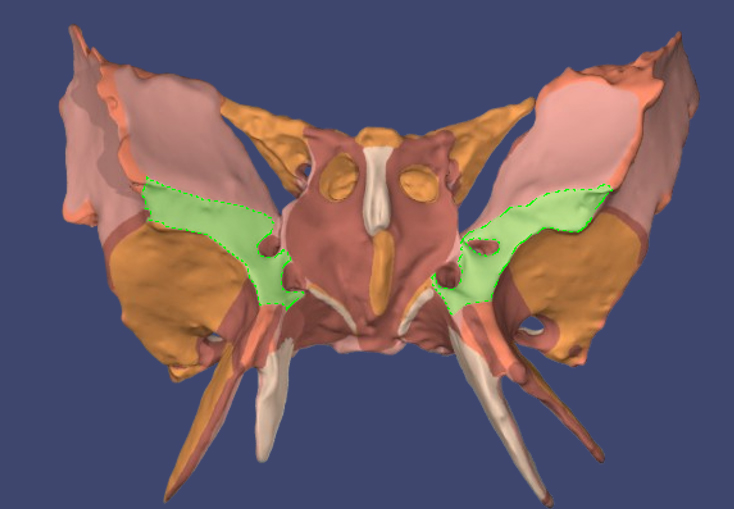
This online course provides an in-depth exploration of the sphenobasilar mechanism (the key to the cranium), focusing on its anatomy, physiology, common distortion patterns, and effective correction techniques. Participants will gain practical skills to evaluate and adjust the sphenobasilar junction, enhancing patient outcomes and expanding their chiropractic expertise.
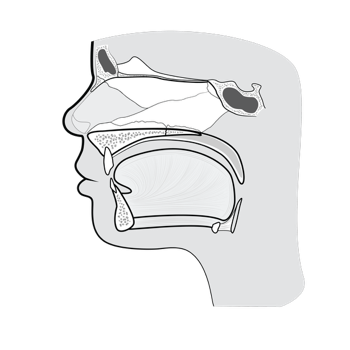
What Can Oral Movement Tell Us About the Person?
The way a person breathes, rests the tongue, moves the jaw, chews and swallows can reveal important relationships among cranial function, airway development, posture and oral function.
Oral movement does not occur in isolation. It develops within an integrated system involving the cranium, nervous system, airway, palate, temporomandibular joints, cervical spine and the body’s ability to adapt to gravity and movement.
In this six-week online program, Dr. Erin Rosen takes you from the foundations of the living, adaptable cranium through cranial motion, airway and sinus development, palatal form, sucking, chewing, tongue function and swallowing.
This course explores the sacro-occipital respiratory (SOR) motion and its critical role in neuromusculoskeletal balance and dural integrity. Restore rhythmic motion between sacrum and occiput to improve CSF dynamics, postural balance, and structural integrity.