Mastering TMJ Dysfunction: A Comprehensive Chiropractic Approach for the Adult and Pediatric Patient
Mastering TMJ Dysfunction: A Comprehensive Chiropractic Approach for the Adult and Pediatric Patient
Unlock your potential to work with patients suffering from temporomandibular joint (TMJ) dysfunction. This course is designed to equip you with the clinical anatomy, physiology, and functional knowledge necessary to address and correct TMJ dysfunction using chiropractic cranial adjustingSM techniques.
Temporomandibular joint (TMJ) dysfunction can present in adults and children with a variety of symptoms, affecting not only the jaw but also related structures like the head, neck, and ears. It may sometimes be subtle or mistaken for other conditions. If TMJ dysfunction is suspected, early evaluation is essential for appropriate evaluation, diagnosis, treatment, and to prevent long term or future compensations and complications.
This course is essential for any chiropractor looking to expand their knowledge and skill set in treating TMJ dysfunction. In this comprehensive course, you will dive deep into the intricacies of the TMJ, learning the critical examination and treatment protocols necessary to treat TMJ dysfunction effectively, ensuring better outcomes for your patients and enhanced collaboration with dental professionals.
Take the next step in your professional journey. Enroll in our TMJ Dysfunction course today and start making a difference in your patients’ lives.
What You’ll Learn
- Functional Anatomy and Physiology of the TMJ: Gain an in-depth understanding of the TMJ’s anatomy and physiology, crucial for accurate evaluation and treatment
- Chiropractic/Dental Co-Treatment Models and Protocols: Learn the basics of dental terminology and approaches, enabling you to collaborate effectively with dental professionals on co-treatment protocols
- Complete TMJ Examination Techniques: Master the examination techniques needed to identify the type of TMJ dysfunction in both adult and pediatric patients
- Cranial Bone Involvement Identification: Discover how to pinpoint specific cranial bone involvements and determine the correct adjusting sequence to restore normal TMJ mechanics
- Chiropractic Cranial Adjusting SM Protocols: Learn specific chiropractic cranial adjusting protocols to correct cranial bone misalignments and restore proper TMJ function
- Patient Exercises for TMJ Function Restoration: Equip your patients with exercises designed to help restore and maintain normal TMJ function.
Resources Provided
- Video Class Modules: Access detailed video lessons that cover every aspect of TMJ dysfunction and its treatment
- Evaluation & Technique Presentations: Watch and learn from expert presentations that demonstrate effective evaluation techniques and treatment protocols
- Practical Demonstrations: See real-life demonstrations of TMJ adjustment techniques to enhance your learning experience
- Live Calls with the Instructor: Participate in live calls with Dr. Rosen & Dr. Watson, where you can ask questions and get personalized guidance
- Interactive Private Facebook Group: Join a community of like-minded professionals in our private Facebook group for ongoing support and collaboration
- Complete PDF Workbooks: Receive comprehensive PDF workbooks that complement your learning and provide a valuable reference for future practice
- Complete Transcriptions of All Videos: Receive the entire word for word transcriptions of all videos in the class
- Email Access to Dr. Rosen & Dr. Watson: Get direct email access to the instructors for any questions or guidance you need during the course
Course Contents
41 Modules | 41 CTAs
-
Module 01 Implications of TMJ Dysfunction in Infants
-
Module 02 The Importance of Early Intervention
-
Module 03 Spinal Examination Procedures
-
Module 04 Cranial Examination
-
Module 05 The Cranial and TMJ Relationship and TMJ Anatomy
-
Module 06 The TMJ Ligaments
-
Module 07 Movements of the TMJ
-
Module 08 The TMJ Muscles
-
Module 09 The Accessory Muscles of Mastication
-
Module 10 The Three Phases of TMJ Movement
-
Module 11 Retro-discal Space
-
Module 12 Dental Cranial TMJ Relationships
-
Module 13 Functional Dentistry Relationships
-
Module 14 Airway Dysfunction
-
Module 15 Cranial Bone Motion and Functional Dentistry
-
Module 16 Functional Integrative Approach
-
Module 17 Case Management
-
Module 18 TMJ Evaluation - Role of the Cranial Bones
-
Module 19 External Evaluation - Visual Analysis
-
Module 20 External Evaluation - Muscle Testing
-
Module 21 External Evaluation - TMJ Trigger Points
-
Module 22 External Evaluation - The Sutural System and Symmerty
-
Module 23 Pediatric TMJ and Palate Evaluation
-
Module 24 Internal Palate Sutures and Bite Evaluation
-
Module 25 Evaluating Your Clinical Findings and Correcting the TMJ
-
Module 26 Individual Cranial Bone Corrections
-
Module 27 Correcting the Frontal Bone
-
Module 28 Correcting the Temporal Bone
-
Module 29 Sphenomaxillary Suture and Sphenoid Wing Balancing
-
Module 30 TMJ Reflex Points - Zygomatic Fossa - Fruit Jars
-
Module 31 Adult TMJ Techniques - Setting the Mandible
-
Module 32 Step by Step Approach
-
Module 33 Step by Step for the Temporal Bone
-
Module 34 Step by Step for the Frontal Bone
-
Module 35 Step by Step for the Sphenoid
-
Module 36 Demonstration of TMJ Evaluation
-
Module 37 Demonstration When the Temporal Bone Is the Issue
-
Module 38 Demonstration When the Frontal Bone Is the Issue
-
Module 39 Demonstration When the Sphenoid Is the Issue
-
Module 40 TMD Functional Approach
-
Module 41 Case Studies
Meet the Instructors
As early as first quarter in chiropractic school they were attracted to each other’s commitment to chiropractic and the pursuit of excellence. Their combined 80 years of personal and clinical and teaching experience, in delivering the chiropractic adjustment is unparalleled in the chiropractic profession. Their international outreach through teaching, writing and lecturing has been a driving force in their personal and professional careers since their first seminar taught together as students, in 1979.
Their years of experience have taught them what works and what does not work to create a successful practice and lifestyle. The more competent and comprehensive your expertise you will find that more patients will seek your services and your practice will grow exponentially.

Feedback From Our Students
-

Dr. Jeanne Sandheinrich
1. This class taught how to determine which side cranial adjustment needs to be done first. 2. This class connected a lot of pieces of SOT- ascending/descending patterns, cranials, and visual analysis- in relation to a TMJ patient. 3. Many people think of TMJ patients as older children and adults, but there was so much information to apply to the infants as well.
I will be able to more thoroughly evaluate a baby or child that is showing TMJ problems.
I love using visual analysis to determine which cranial pattern a baby is showing. On a newborn I also evaluated the 9 palate areas for suck and gag. I also used the sphenomaxillary release on the baby and she had so much tension release.
Yes, I would recommend this course to other chiropractors because no matter if you are a pediatric focused doctor or someone who sees mainly adults, the information in the course can help with corrections involving the cranium and oral function.
Thank you!
-

Stephanie Rittenour, DC
Comprehensive program in all aspects of caring for a patient of any age with TMJ dysfunction. Step by step guide on how to evaluate and treat patients Information on how to communicate with dental professionals to collaborate on care.
I feel more comfortable in the knowledge I must approach patients with TMJ issues and how to resolve their issues quicker.
I had a patient with chronic clicking in her jaw and I was able to alleviate some of the clicking and allow her to be able to function day to day without as much discomfort.
Of course I would recommend this course!! Everything Drs. Rosen and Watson put out for us to learn is a golden opportunity to improve your knowledge and skills
Great, as always!
-
Dr. Dharmesh Mistry
My three takeaways:
1. The TMJ is not just a joint, but it is related to the other cranial bones, which impact the whole body. 2. Visual inspection of the face and the whole body is important before planning a treatment protocol. 3. Knowledge of the craniofacial dynamics is important in understanding the interaction of the body as a whole and not individual compartments.The course has deepened my knowledge of the importance of working in an integrated manner. It gave me the knowledge I needed to bring my Craniosacral Therapy principles into orthodontic treatment.
A patient presented with TMJ pain with impaired hearing in the right TMJ. Assessment revealed frontal, temporal, occipital, and sphenoid subluxation. Using this technique and a dental splint technique, I managed to resolve the pain and hearing impairment in 2 weeks. Over the next 6 months, the patient stabilised and is now starting orthodontic care to reestablish the correct vertical dimension of occlusion, maintain the ideal height for the TMJ, and prevent subluxation.
Yes, this course is important information for Dentists and dental specialists’ armamentarium. A dental-specific course with no prior knowledge is encouraged to spread this important knowledge. I am prepared to discuss this further.
More Courses from Peak Potential Institute
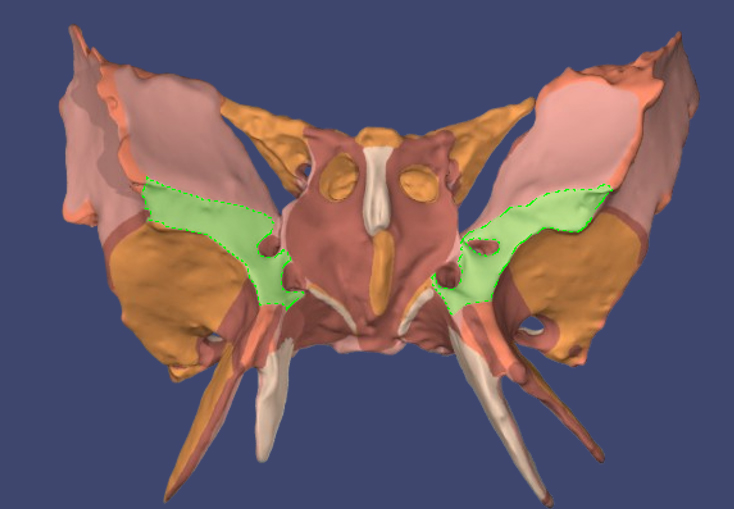
This online course provides an in-depth exploration of the sphenobasilar mechanism (the key to the cranium), focusing on its anatomy, physiology, common distortion patterns, and effective correction techniques. Participants will gain practical skills to evaluate and adjust the sphenobasilar junction, enhancing patient outcomes and expanding their chiropractic expertise.

This comprehensive online course delves into the anatomy and functionality of the vestibular system, emphasizing its role in balance, posture, coordination, and sensory processing. Participants will learn to evaluate and identify deficits and imbalances affecting overall health and functional capacity as well as adjusting protocols to address these issues.
What Can Oral Movement Tell Us About the Person?
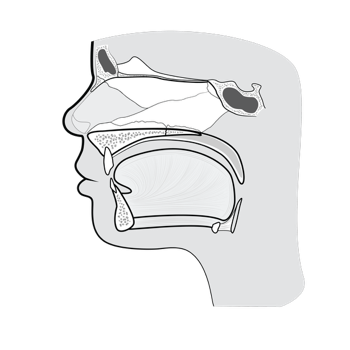
The way a person breathes, rests the tongue, moves the jaw, chews and swallows can reveal important relationships among cranial function, airway development, posture and oral function.
Oral movement does not occur in isolation. It develops within an integrated system involving the cranium, nervous system, airway, palate, temporomandibular joints, cervical spine and the body’s ability to adapt to gravity and movement.
In this six-week online program, Dr. Erin Rosen takes you from the foundations of the living, adaptable cranium through cranial motion, airway and sinus development, palatal form, sucking, chewing, tongue function and swallowing.