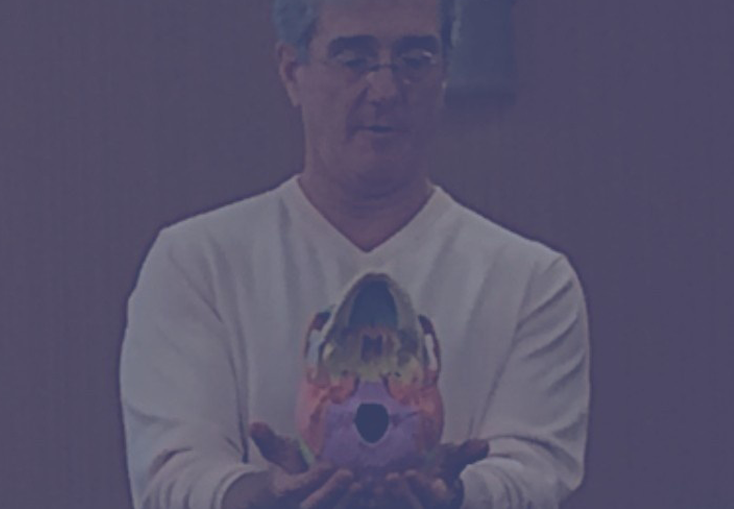
Introduction to Chiropractic Cranial Adjusting (CCA)
Introduction to Chiropractic Cranial Adjusting (CCA)
In this 3-month chiropractic cranial adjusting class, you will learn the functional anatomy and physiology of cranial bone motion, cerebrospinal fluid mechanics, and specific cranial landmarks and indicators to facilitate both your understanding and application of cranial adjusting techniques.
CCA is a specific, comprehensive, and efficient methodology to correct cranial bone imbalances and access the other 80% of the CNS. With these techniques, you can improve patient outcomes, make more effective and stable spinal corrections, become the expert in your area, attract and help more people consistently and safely.
CCA will allow you to expand your practice and patient care to the next level while at the same time creating confidence and consistency in your personal skill set. Imagine getting constant referrals from colleagues and other health care practitioners for your ability to help patients in need when others cannot.
For those who want to continue to grow, move forward, and become a true expert in CCA, this course is also a stepping-stone towards the Institute’s other cranial adjusting courses. This class will give you the skills to understand cranial dynamics, their effect on the overall health of your patients, and the skills to make a drastic impact on your patient’s ability to heal.
What You’ll Learn
- Functional anatomy and physiology of the cranium
- Indicators to determine cranial subluxation patterns
- External chiropractic cranial adjusting TM corrections for balancing CSF, the sphenobasilar, symptom specific techniques, and individual cranial bones
- Learn to determine the major cranial subluxation
- Chiropractic cranial adjusting TM techniques to improve your patient outcomes
Resources Provided
- Video class modules
- Evaluation & technique presentations
- Practical demonstrations
- Calls to action (CTAs)
- Interactive private Facebook group
- Complete PDF workbooks
- Email access to Dr. Rosen & Dr. Watson
Course Contents
12 Modules | 12 CTAs
-
Module 01 Anatomy and Physiology of the Cranium
-
Module 02 Cerebro Spinal Fluid (CSF) Mechanics
-
Module 03 Sutures, Landmarks, Fontanels, and Primary and Secondary Motion
-
Module 04 Cranial Landmarks and Dural Meningeal System and Cranial Dural Membranes
-
Module 05 Flexion and Extension on Inhalation and Exhalation
-
Module 06 Cranial Palpation Exercise
-
Module 07 Cranial Bone Contacts and Adjusting Guidelines
-
Module 08 Cranial Techniques
-
Module 09 CSF Techniques
-
Module 10 Sphenobasilar and Temporal Bone
-
Module 11 Frontal Bone and Fruit Jar Techniques
-
Module 12 Symptom Specific Techniques
Meet the Instructors
As early as first quarter in chiropractic school they were attracted to each other’s commitment to chiropractic and the pursuit of excellence. Their combined 80 years of personal and clinical and teaching experience, in delivering the chiropractic adjustment is unparalleled in the chiropractic profession. Their international outreach through teaching, writing and lecturing has been a driving force in their personal and professional careers since their first seminar taught together as students, in 1979.
Their years of experience have taught them what works and what does not work to create a successful practice and lifestyle. The more competent and comprehensive your expertise you will find that more patients will seek your services and your practice will grow exponentially.
Feedback From Our Students
-

Dr. Lok Yan Joanne Cheng
I took SOT courses previously and was inspired by the connections between the sacrum and occiput and how it would therefore affect the whole body system. It is worthwhile to add cranial work to my practice for a better outcome seen in my patients. Though this course is just an intro, I could easily apply a few hands-on techniques in practice. This broadened my insight when treating musculoskeletal pain. I would truly recommend this course if you want to differentiate yourself from other practitioners and to provide your patients with a more holistic care.
-
Andrew Alft, D.C.
I appreciate the notes and the written transcript Doc. The entire system works very efficiently. Well done.
-
Dr. Kim Stetzel
After 37 years in practice, I took the Introduction to Chiropractic Cranial Adjusting course this past winter. Having wanted to learn about cranial adjusting for a while, I turned to the experts and was glad that I did. This is a very thorough introduction, which gave me the knowledge, understanding and tools to be able to begin to implement what I learned from the course into my practice. I liked the online format as I could get to the materials at my convenience and also review the notes and watch (and rewatch) the videos until I understood what was being taught. My questions were all answered quickly and completely in the Facebook group.
For those familiar with Cranial adjusting, I would imagine this is a good review and will help with the nuances of the technique. For those, like me, who are novices, it’s a great way to start.
More Courses from Peak Potential Institute

Understand CSF physiology and into the critical role of cerebrospinal fluid (CSF) within the central nervous system. Learn chiropractic cranial adjusting techniques to improve CSF flow and neurological regulation.
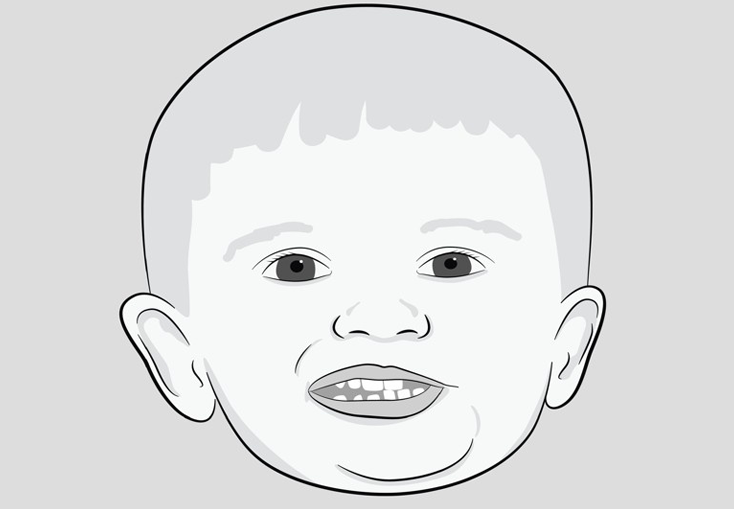
A course designed for parents, caregivers, chiropractors, and healthcare professionals.
Every child deserves the best start possible. But subtle cranial and facial distortions — often dismissed as “common” — can disrupt key developmental milestones during the most critical years of brain growth. This course helps you recognize those early red flags. Led by Drs. Marty Rosen and Nancy Watson, with parent-child coach Ashley Dalidowitz, you’ll learn how these structural imbalances affect neurological function and what you can do to support optimal development from the start. Whether you’re a parent seeking answers or a professional supporting pediatric families, this course offers the insight, tools, and clarity you need to support your child’s optimal functional development.
Ready to elevate your practice and transform patient outcomes? Our 38-class ONLINE Cranial Immersion Class offers an unparalleled opportunity to learn chiropractic cranial adjusting SM protocols from A to Z. Designed for practitioners eager to master the art and science of cranial work, this immersive course will guide you through every aspect—from foundational anatomy to advanced correction techniques.