Evaluation Protocols for the Pediatric TMJ
Evaluation Protocols for the Pediatric TMJ
Course description to be determined.
Skills You Will Learn
✓ Functional anatomy and physiology of the TMJ
✓ Chiropractic/Dental co-treatment models and protocols (basic dental terminology and approaches)
✓ Complete examination of the TMJ to determine the type of dysfunction (adult and pediatric protocols)
✓ Indicators to pinpoint the specific cranial bone involvements and determine proper adjusting sequence
✓ Chiropractic cranial adjusting TM protocols for specific cranial bone corrections to restore normal TMJ mechanics
✓ Exercises for patients to help restore normal TMJ function
Resources Provided
✓ Video class modules
✓ Evaluation & technique presentations
✓ Practical demonstrations
✓ Calls to action (CTAs)
✓ Live calls with instructor
✓ Interactive private Facebook group
✓ Complete PDF workbooks
✓ Email access to Dr. Rosen & Dr. Watson
Course Contents
12 Modules | 12 CTAs
Class 1 – Cranial Anatomy and Landmarks
Class 2 – Cranial Bone Motion
Class 3 – The Dural Meningeal System and CSF
Class 4 – Anatomy and Movement of the Palate
Class 5 – Evaluation of the Palate
Class 6 – Dural Meningeal Evaluation of the Palate
Class 7 – Palate Distortions and Cranial Bone Relationships
Class 8 – Corrections for Palate Distortions
Class 9 – Sphenobasilar Mechanics and Evaluation
Class 10 – Palate Corrections and Fruit Jar Techniques
Class 11 – Tongue-Tie
Class 12 – Palate Contacts for Intra-Oral Corrections and the Sphenomaxillary Suture
Meet the Instructors
As early as first quarter in chiropractic school they were attracted to each other’s commitment to chiropractic and the pursuit of excellence. Their combined 80 years of personal and clinical and teaching experience, in delivering the chiropractic adjustment is unparalleled in the chiropractic profession. Their international outreach through teaching, writing and lecturing has been a driving force in their personal and professional careers since their first seminar taught together as students, in 1979.
Their years of experience have taught them what works and what does not work to create a successful practice and lifestyle. The more competent and comprehensive your expertise you will find that more patients will seek your services and your practice will grow exponentially.
More Courses from Peak Potential Institute
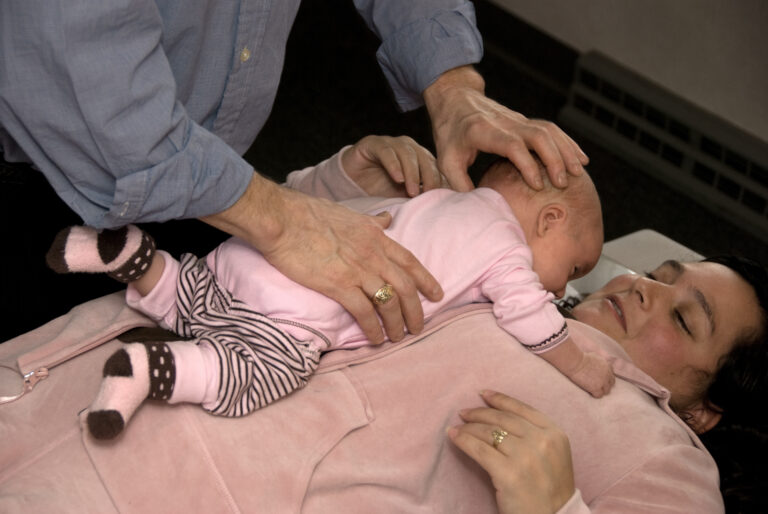
Can a Chiropractic Adjustment Be Both Gentle and Highly Specific? Chiropractic low-intensity spinal adjusting uses precise positioning, specific contacts and neurologically informed reflex responses to support gentle correction without forcing motion. Through precise positioning and the facilitation of the body’s proprioceptive and nociceptive reflexes, it helps restore structural balance by encouraging the body to return to its optimal state of ease.
In this online program, Dr. Martin Rosen teaches chiropractors how to evaluate and address cervical, thoracic, lumbar and pelvic dysfunction/subluxation using low-intensity procedures. Participants learn neurological indicators, contact points, positioning principles, adjusting sequences and re-evaluation procedures they can use with specificity and confidence, especially when high-velocity adjusting may not be appropriate or preferred.
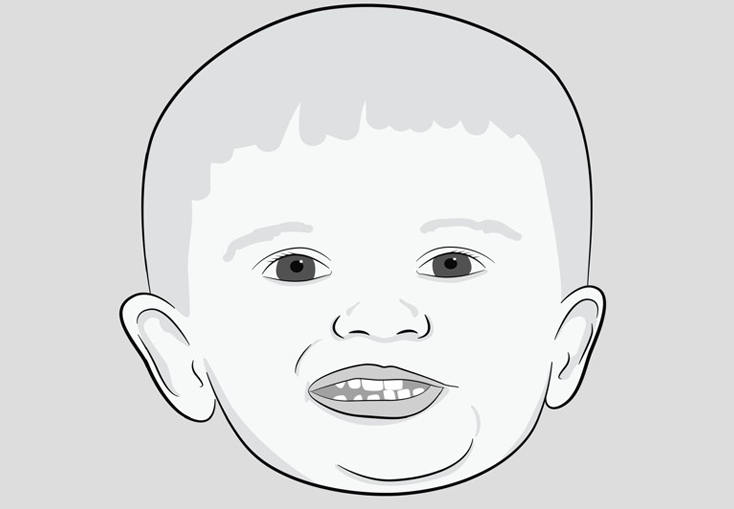
A course designed for parents, caregivers, chiropractors, and healthcare professionals.
Every child deserves the best start possible. But subtle cranial and facial distortions — often dismissed as “common” — can disrupt key developmental milestones during the most critical years of brain growth. This course helps you recognize those early red flags. Led by Drs. Marty Rosen and Nancy Watson, with parent-child coach Ashley Dalidowitz, you’ll learn how these structural imbalances affect neurological function and what you can do to support optimal development from the start. Whether you’re a parent seeking answers or a professional supporting pediatric families, this course offers the insight, tools, and clarity you need to support your child’s optimal functional development.
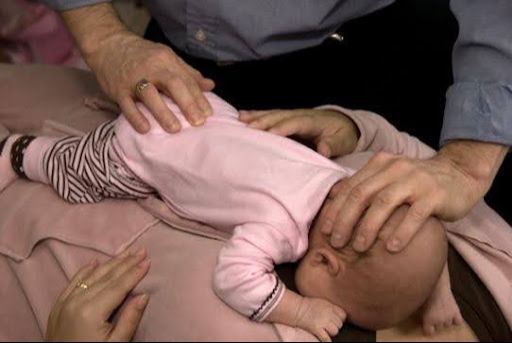
This course explores the sacro-occipital respiratory (SOR) motion and its critical role in neuromusculoskeletal balance and dural integrity. Restore rhythmic motion between sacrum and occiput to improve CSF dynamics, postural balance, and structural integrity.