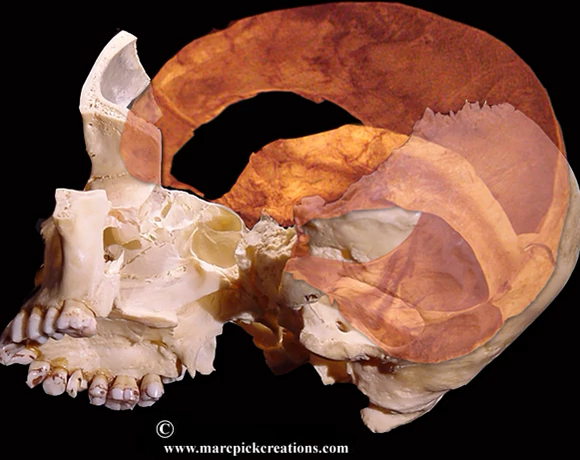
Understanding Cranial Bone Movement
Understanding Cranial Bone Movement
For chiropractors and healthcare professionals seeking clarity in the understanding of cranial bone motion and dynamics.
Unlock the mechanics behind chiropractic cranial adjusting with this online course, “How Cranial Bones Move”. You’ll learn the 4 specific motion patterns of the cranium and how they impact each cranial bone, tools to assess the proper movement of the cranium, and what these subtle shifts can have on the growth and development of the cranium.
We’ll explore how respiratory motion, dural tension, cerebrospinal mechanics and structural relationships (sutures and fontanelles) guide cranial motion, especially in infants where early patterns set the stage for development. This course is ideal for those new to cranial work or preparing for advanced certification, giving you the hands-on insight needed to refine your palpation and deliver precise, effective care.
Dr. Ken Cooper will guide you through the interplay of respiratory motion, dural tension, cerebrospinal fluid dynamics, and the role of sutures and fontanelles — especially crucial in pediatric patients, where early distortions can alter the course of development.
Whether you’re new to cranial work or preparing for advanced certification, this course builds the palpation skills and clinical insight needed to deliver precise, effective care.
Course Contents
7 Modules | 7 CTAs
Class 1 – Cranial Anatomy
Class 2 – Cranial Motion Fundamentals
Class 3 – The Occiput and Sphenoid
Class 4 – The Temporals
Class 5 – The Frontal and Parietals
Class 6 – The Palate
Class 7 – Clinical Integration
Meet the Instructors
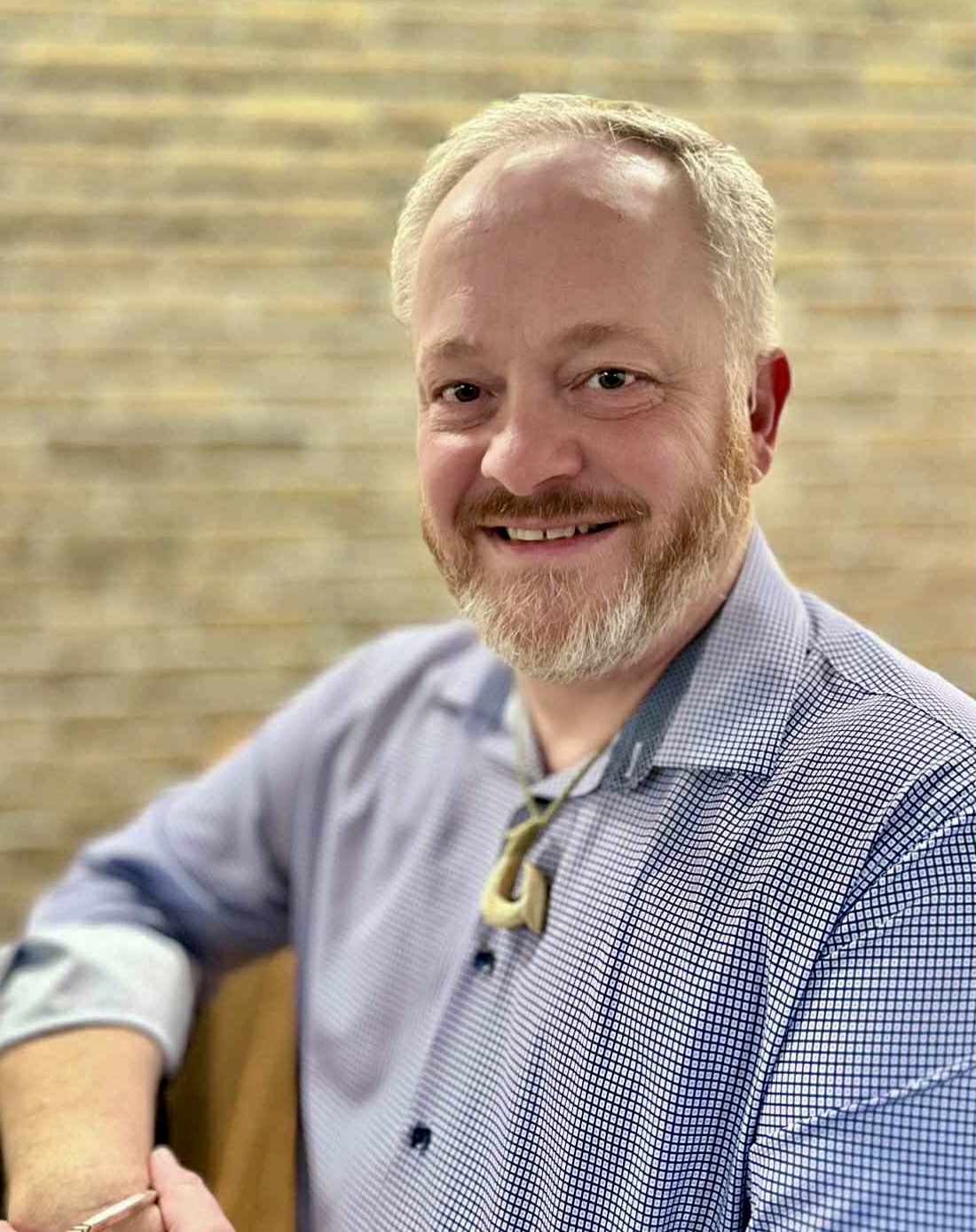
Dr. Ken Cooper brings over two decades of clinical experience, leadership, and dedication to advancing Pediatric and Perinatal Chiropractic care. A devoted husband, proud father of five, and grandfather of four, Dr. Cooper’s personal and professional life reflects his passion for family-centered wellness.
His journey in healthcare began with honorable service as a U.S. Navy Hospital Corpsman and nationally registered EMT in the early 1990s, laying a strong foundation for his commitment to care. He became a licensed Chiropractor in 2001, and by 2003 had completed a Pediatric Chiropractic Fellowship with the International Chiropractic Pediatric Association (ICPA)—an early indicator of his calling to serve the youngest members of our communities.
Dr. Cooper is Webster Certified and was directly taught the Webster Technique by its founder, the legendary Dr. Larry Webster. He went on to achieve his CACCP certification through the ICPA in 2019 and completed his Perinatal Certification in 2023.
A pioneer in his field, Dr. Cooper was one of the first three chiropractors to earn the Certified SOT Spinal Pediatric Practitioner (CSSPP) designation from Drs. Martin Rosen and Nancy Watson of the Peak Potential Institute in 2022, followed by becoming one of the first two recipients of the Certified Specialist in Pediatric Cranial Adjusting (CSCPP) in 2024.
In addition to his clinical work, Dr. Cooper is a 7th-degree black belt, accomplished author, active researcher, and sought-after speaker. His role as an international instructor in Pediatric Chiropractic allows him to educate and inspire doctors around the world with his practical knowledge, clinical insights, and heartfelt commitment to excellence in Pediatric Chiropractic care.
Whether in the classroom or the clinic, Dr. Ken Cooper continues to elevate the standards of care and education in Chiropractic, with a heart for children and a legacy of service.
Feedback From Our Students
-

Monika Armstrong
My three takeaways:
A much deeper understanding of cranial motion and its biomechanical relevance to overall neurological and functional health. A new perspective on assessing and supporting patients, particularly in complex or paediatric cases, where subtle dysfunctions can have significant impacts.Professionally, this program has significantly refined my clinical approach. It has given me greater confidence in assessing cranial patterns and integrating them into broader neurodevelopmental and functional care plans. This has been particularly valuable in my work with children, where small changes can make a meaningful difference. Personally, it has deepened my appreciation for the body’s innate intelligence and adaptability. It has reinforced a more patient, observant, and holistic approach, not only in practice but also in how I view health and well-being more broadly.
I worked with a patient who had ongoing jaw restriction and sinus pain that hadn’t fully resolved with other approaches. On assessment, it became clear that there were underlying cranial restrictions affecting both the TMJ and sinus drainage. Using the techniques from this course, I incorporated gentle cranial work over a few sessions. The patient began to notice their jaw moving more freely, with less discomfort, and at the same time experienced a significant reduction in sinus pressure. What stood out was how interconnected these systems are—and how addressing the cranial mechanics created meaningful changes in both symptoms and overall comfort.
Yes, I would highly recommend this course. It provides a strong biomechanical and neurological framework for understanding cranial motion, supported by clear clinical reasoning and practical application.
The program is exceptionally well-structured. I am glad I was able to take part. Thank you.
-
Dr. Kristen Kerr
This program should be taken by everyone prior to doing hands-on cranial work so that you fully understand how the bones move. Movement is not the story. It is just a page in the understanding of cranial work. Palpating squirming children is amazing. Do not overthink it.
I have taken numerous classes, but this class brought my knowledge full circle. I have a lot more to learn but at least I can see the circle. It was my ah-ha!! And I loved it!!
Sphenoid and occiput…. I love them!!! I learned that sometimes my sphenoid location was almost- not quite right. This reinforced where I needed to be. My cranial work changed dramatically with this subtle change in contact.
The information here is so valuable. It was for me about having a stable foundation of knowledge that made the other puzzle pieces click into place. Thank you so much for that.
The knowledge that you are sharing with me is beyond amazing. My life can get crazy. BUT this, this brings me home. It is my lighthouse – lighting my way, igniting my passion. Thank you!!
-

Dr. Kim Baker
I wish I had taken this course first, I think it would have helped me understand and grasp the concepts faster in the other courses I have taken. I watched the videos more than once, I would go to work, see a few newborns and even adults, then come home and rewatch them. Definitely helped tie in the concepts of the video when seeing people at work the same day.
The course gave me a better understanding of cranial motion with more precision. I have taken some CST courses with other providers and there was a lack of “specificity” that seemed to me missing. I also think I struggled with a few Call to Actions as perhaps what I was taught at these other seminars wasn’t the level of detail my brain needs to fully understand this information fully.
Even just getting a clearer picture of SBS motion has cleared up a lot of difficulties I was having with newborns. The visual cues are easier to “see” now that I know what the underlying patterns are. I could visualize those asymmetries before but didn’t have enough knowledge to know what was going on.
Would definitely recommend this course to others BEFORE they take other courses.
Thank you to Dr. Ken Cooper for his easy-to-understand videos and demonstrations! His feedback was also helpful with my Call to Action homework.
More Courses from Peak Potential Institute

This class explores gentle, effective strategies for identifying and addressing acute pain in infants and children. Using SOT® protocols, cranial adjusting, specific spinal indicators, and soft tissue balancing techniques practitioners will learn how to manage acute and chronic discomfort, reduce facilitative lesions, and restore neurological balance.

This course provides chiropractors with specialized training in caring for pregnant patients, emphasizing the unique biomechanical and physiological changes during pregnancy. Participants will learn SOT®-based techniques, including blocking procedures, sacral corrections, and ancillary procedures to support maternal and fetal health.
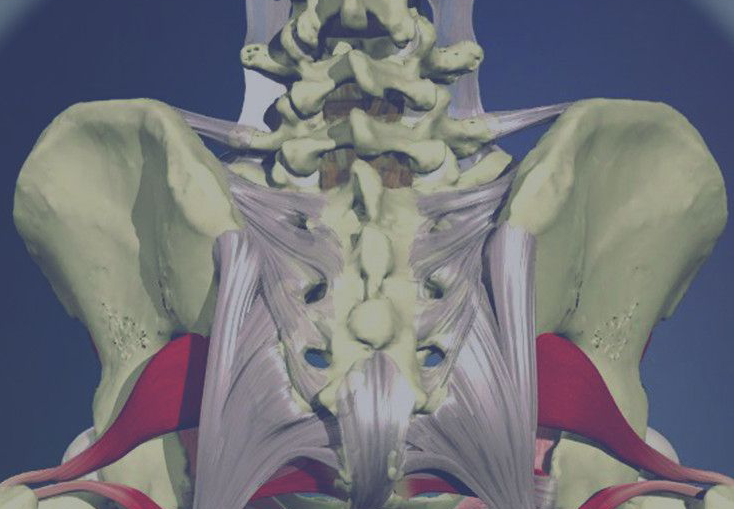
This course provides chiropractors with an in-depth understanding of the SOT® (Sacral Occipital Technique) Three Category System. Participants will learn to identify, evaluate, and correct Category I, II, and III subluxation patterns using SOT® adjusting protocols.