
Vagus Nerve Evaluation and Correction Protocols
Master the Vagus Nerve: Evaluation and Correction Protocols for the Chiropractic Practice
The vagus nerve plays a vital role in autonomic nervous system regulation, affecting everything from digestion and immune response to heart rate, mood, and inflammation. Misalignments or tension patterns in the upper cervical spine, cranium, and dural system can interfere with vagal tone—contributing to a host of symptoms in both pediatric and adult populations.
In this on-demand online training, you’ll learn how to identify and correct vagus nerve imbalances using specific chiropractic techniques. This course offers a step-by-step breakdown of the neurological anatomy and physiology of the vagus nerve and outlines the practical, hands-on protocols to address its involvement.
Whether you’re caring for newborns with latching issues, children with gut-brain axis imbalances, or adults experiencing chronic fatigue, digestive disorders, or anxiety-related symptoms—this class will give you the clinical tools you need to confidently assess and support vagus nerve function.
What You’ll Learn
- The anatomical and physiological pathways of the vagus nerve and its impact on systemic health
- How to evaluate for vagus nerve involvement through observable signs and palpation indicators
- Specific adjustment protocols to reduce interference along the vagus nerve pathway, including occipital, cervical, cranial, and soft tissue corrections
- Strategies to restore parasympathetic tone and improve autonomic balance
Resources Provided
- Video class modules
- Evaluation & technique presentations
- Practical demonstrations
- Calls to action (CTAs)
- Complete PDF workbooks
- Full transcriptions of video classes
- Email access to Dr. Rosen & Dr. Watson
Why Take This Course?
- Improve patient outcomes in cases involving digestive issues, immune dysregulation, anxiety, sleep problems, and developmental challenges
- Expand your chiropractic skill set with neurological assessment and correction protocols
- Support whole-body wellness by addressing one of the most powerful regulatory nerves in the body
Who Is This Course For?
Chiropractors who want to:
- Go beyond symptom-based care and dive into neurology-based chiropractic approaches
- Enhance their effectiveness with pediatric, family, and wellness-based practice members
- Gain confidence in assessing and adjusting the vagus nerve safely and effectively
This course is ideal for both beginner and advanced chiropractors looking to sharpen their skills and deliver deeper, more lasting results.
Course Contents
10 Modules | 10 CTAs
-
Module 01 Anatomy and Physiology of Vagus
-
Module 02 Jugular Foramen
-
Module 03 Evaluation and Correction of Vagus Nerve Involvement
-
Module 04 CMRT Demonstration
-
Module 05 Atlas Dural Meningeal Restriction
-
Module 06 Atlas Correction
-
Module 07 Temporal and Occipital Corrections
-
Module 08 Demonstration on Older Child
-
Module 09 Demonstration of Vagus Nerve Evaluation
-
Module 10 Review
Meet the Instructors
As early as first quarter in chiropractic school they were attracted to each other’s commitment to chiropractic and the pursuit of excellence. Their combined 80 years of personal and clinical and teaching experience, in delivering the chiropractic adjustment is unparalleled in the chiropractic profession. Their international outreach through teaching, writing and lecturing has been a driving force in their personal and professional careers since their first seminar taught together as students, in 1979.
Their years of experience have taught them what works and what does not work to create a successful practice and lifestyle. The more competent and comprehensive your expertise you will find that more patients will seek your services and your practice will grow exponentially.

Feedback From Our Students
-

Dr. Pamela Stone
I took this program because I want to learn more about cranial evaluation and adjustments, and more about the vagus nerve in general.
My three takeaways are:
1. Dr. Rosen has an incredible wealth of knowledge.
2. You are taught things you can immediately implement into your practice.
3. Cranial work can help so many “symptoms” that babies/kids are experiencing.I look at people differently now, I see babies that seem really cute yet also have so much distortion that I wouldn’t have seen before. And ditto for adults.
I appreciate being able to go back and watch these videos multiple times since it’s so much to learn, it’s helping it sink in more. And I like doing it at my own pace/schedule.
-

Dr. Thomas Fastiggi
I took this program because I found it interesting and relevant to my day to day work. I found it comprehensive, thorough and informative. I now see things in my patients and I understand why the people I know are the way they are.
I had a patient presented with a previous diagnosis of Meniere’s Disease. Reported 5 years of symptoms. I followed the steps of clearing Occiput-C2 meningeal restriction, osseous misalignment, then Vagus procedures, as per this course, blocked Category II and applied basic cranial procedures. Then specific cranial procedures and CMRT for Vagus, as per this course. 3 Weeks later the patient texted me a lovely picture of her snorkeling in the Caribbean with her family.
This is a convenient, informative and interesting way to learn the chiropractic study I value the most.
-

Dr. Lesley Jacklin
I was looking to help my patients, both adults and children, with their sympathetic dominant patterns.
I have learned how to evaluate for vagus nerve involvement, the specific corrections for each area of involvement, and how to apply this to both the pediatric and adult populations.
I feel more confident in assessing the occiput and have learned to be more specific in my adjustments.
I have been explaining the far reaching effects the vagus nerve has on the body and was able to specifically explain to a mom with a colicky baby why adjusting the atlas can help her baby.
I think it was a great course and I look forward to future studies with then.
More Courses from Peak Potential Institute
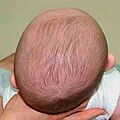
Cranial distortion patterns, including Plagiocephaly now affects nearly 1 in 2 infants, yet many practitioners are trained to view it as cosmetic rather than neurological and biomechanical. This comprehensive program is designed specifically for chiropractors who want a clear, structured protocol for evaluating and managing cranial asymmetry with precision and confidence.
This course goes far beyond identifying a “flat head.” You will learn how plagiocephaly, brachycephaly, and scaphocephaly reflect deeper dural meningeal tension patterns, cranial base distortions, spinal involvement, and CSF imbalance, all of which influence growth, posture, and neurological organization.
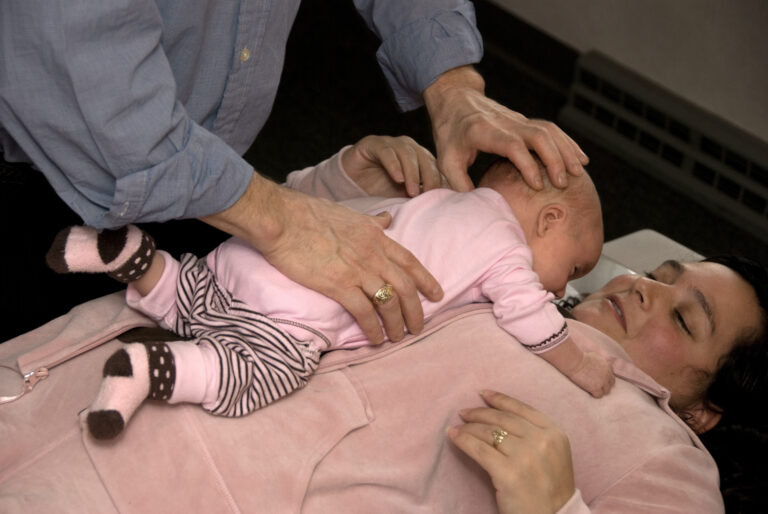
Can a Chiropractic Adjustment Be Both Gentle and Highly Specific? Chiropractic low-intensity spinal adjusting uses precise positioning, specific contacts and neurologically informed reflex responses to support gentle correction without forcing motion. Through precise positioning and the facilitation of the body’s proprioceptive and nociceptive reflexes, it helps restore structural balance by encouraging the body to return to its optimal state of ease.
In this online program, Dr. Martin Rosen teaches chiropractors how to evaluate and address cervical, thoracic, lumbar and pelvic dysfunction/subluxation using low-intensity procedures. Participants learn neurological indicators, contact points, positioning principles, adjusting sequences and re-evaluation procedures they can use with specificity and confidence, especially when high-velocity adjusting may not be appropriate or preferred.
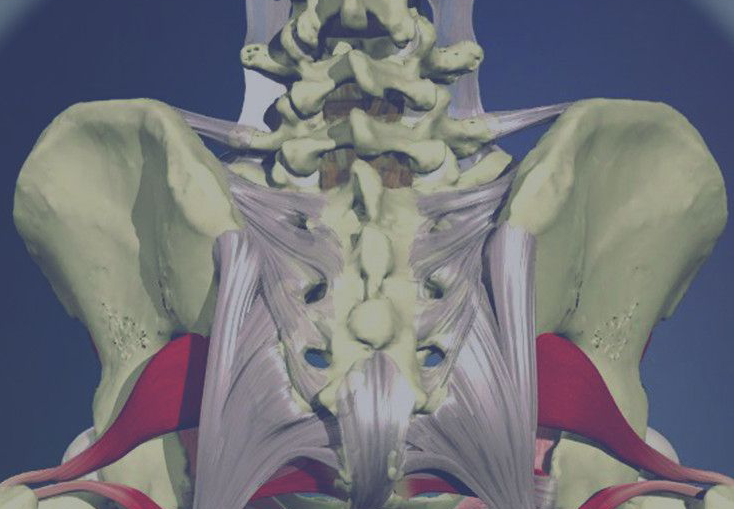
This course provides chiropractors with an in-depth understanding of the SOT® (Sacral Occipital Technique) Three Category System. Participants will learn to identify, evaluate, and correct Category I, II, and III subluxation patterns using SOT® adjusting protocols.