
Managing the Hypermobile Child
Managing the Hypermobile Child
A course presented by Elizabeth Davidson, DC, MSc (APP), FRCC (Paed). A Practical, Research-Driven Guide for Clinicians Working With Hypermobility.
Hypermobility in children is far more common—and far more complex—than most practitioners realize. This course gives you a clear, clinically useful framework for recognizing, evaluating, and managing hypermobile pediatric patients at every age and stage.
Drawing from the latest research and international diagnostic guidelines, Dr. Elizabeth Davidson walks you through the structural, neurological, developmental, and behavioral presentations that often accompany hypermobility spectrum disorders and hEDS. You’ll learn what to look for, how to assess it, and how to support these children safely and effectively in practice.
What You’ll Learn
- Identify early structural and developmental signs of hypermobility—even in infants and toddlers
- Understand the relationship between joint laxity, motor delays, fatigue, pain, gut disturbances, anxiety, and autonomic dysfunction
- Use age-appropriate screening tools, including updated Beighton scoring and pediatric-specific criteria
- Perform focused MSK and neurological evaluations for posture, coordination, balance, crawling patterns, gait, and proprioception
- Recognize common comorbidities and when referral or multidisciplinary care is needed
- Support children with safe manual therapies, fascial and cranial approaches, proprioceptive exercises, and practical home strategies
- Communicate findings clearly with parents and collaborate with PTs, schools, and healthcare teams
Why Take This Course?
- Children with hypermobility often go undiagnosed for years—despite persistent pain, fatigue, coordination struggles, and developmental challenges. Early recognition and appropriate support can change a child’s trajectory, reduce long-term complications, and improve quality of life for the entire family.
- This course gives you the tools to see what others miss, connect the dots between symptoms, and deliver informed, compassionate, evidence-based care.
Course Contents
7 Modules | 7 CTAs
-
Module 01 Hypermobility – A Growing Dilemma
-
Module 02 Diagnostic Protocols
-
Module 03 Evaluation Protocols – The Questions to Ask
-
Module 04 Evaluation Protocols – What to Look For
-
Module 05 Advice for Clinicians – Comorbidity
-
Module 06 Managing the Patient – Treatment Modalities
-
Module 07 Summing it All Up – Resources
Meet the Instructor
Elizabeth Davidson, DC, MSc(APP), FRCC(Paed)
With over 30 years of experience in chiropractic practice and a long-standing focus on pediatric and women’s health, Elizabeth has become a true leader in our field. She holds both a Doctor of Chiropractic and a Master of Science in Advanced Pediatric Practice. As a Fellow and former Director of Academic Affairs for the Royal College of Chiropractors’ Pediatric Faculty, she has helped shape the direction of pediatric chiropractic care in the UK and Europe.
She has a special gift for working with infants, children, and patients with connective tissue disorders like Ehlers-Danlos Syndrome — always bringing a thoughtful, informed, and patient-centered approach to care. Her teaching and mentorship across Europe continue to elevate the standard of pediatric chiropractic, and we’re honored to have her here today to share her insights.
Feedback From Our Students
-

Dr. Kelly Kimball
Three takeaways:
1. Hypermobility and EDS are not just found in contortionists!
2. More prevalent than we realize.
3. Genetic testing is only helpful if vascular EDS is suspected.I work with many hypermobile patients, and this helps me realize how many of their symptoms can be linked back to hypermobility/EDS
Encouraged a child patient with diagnosed EDS to share this diagnosis with her swim team coach who seemed to think her shoulder pain was not real and just to “get her out of practice.” I also worked with a clearly hypermobile adult who had a history of multiple dislocations and hernias as well as widespread joint/body pain. I encouraged her to work with doctors aware of hypermobility instead of her regular orthopedist- we are lucky to have a great center dedicated to hypermobility right in our city.
Yes, I would recommend this course. It will help others see how prevalent this condition is. We can better learn how to identify it in patients.
Important content! Thanks as always.
-

DR. Andrea Sardis
My three takeaways:
1. Learn to identify hypermobility vs normal for age group.
2. Treatment considerations .
3. How to support this population better.I believe my family has a history of some hypermobility, so it validates that.
My son has gross hypermobility. It validates my concerns and supports my thoughts on guiding him.
Yes, I would recommend this course because I believe this is still an under-served and unheard population.
-
Dr. Erina Olsen
My takeaways:
Hypermobile people often also have very tight muscles.
Working with the hypermobile population requires a multifaceted and multi-disciplinary approach. Only use low-force modalities.I have more confidence in working with hypermobile people, in assessing and making recommendations.
I see an increasing number of people with some degree of hypermobility. I’m currently working with a woman who subsequently brought in her daughter after our discussion on the possible co-morbidities and impacts of hypermobility
Yes, I would recommend this course. As chiropractors I think we need to be aware of how to best care for this increasing population and what other disciplines may be beneficial to recommend for best patient outcomes.
I would have liked a little more info on chiropractic techniques or modifications we could use with this population in practice.
More Courses from Peak Potential Institute
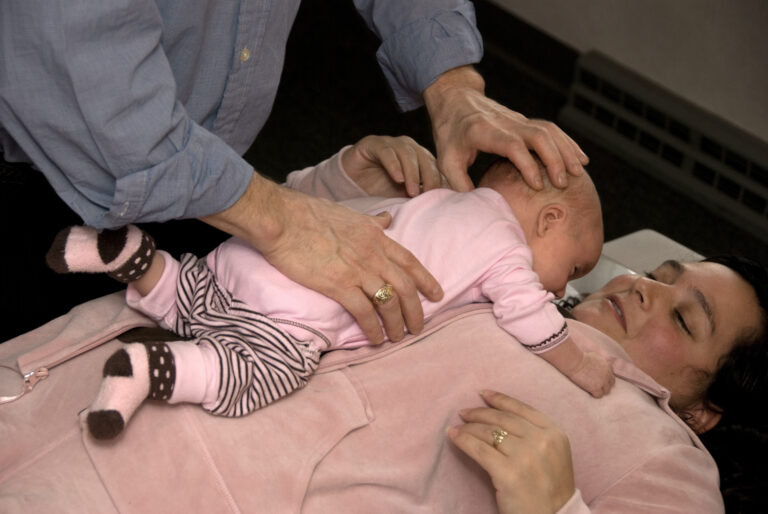
Can a Chiropractic Adjustment Be Both Gentle and Highly Specific? Chiropractic low-intensity spinal adjusting uses precise positioning, specific contacts and neurologically informed reflex responses to support gentle correction without forcing motion. Through precise positioning and the facilitation of the body’s proprioceptive and nociceptive reflexes, it helps restore structural balance by encouraging the body to return to its optimal state of ease.
In this online program, Dr. Martin Rosen teaches chiropractors how to evaluate and address cervical, thoracic, lumbar and pelvic dysfunction/subluxation using low-intensity procedures. Participants learn neurological indicators, contact points, positioning principles, adjusting sequences and re-evaluation procedures they can use with specificity and confidence, especially when high-velocity adjusting may not be appropriate or preferred.
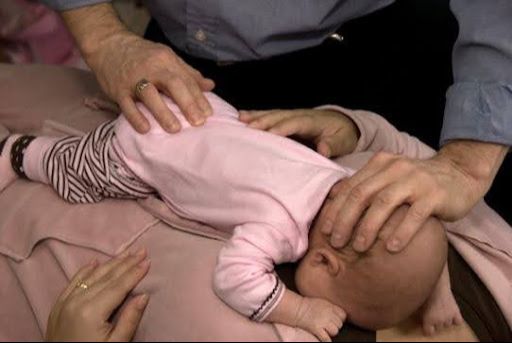
This course explores the sacro-occipital respiratory (SOR) motion and its critical role in neuromusculoskeletal balance and dural integrity. Restore rhythmic motion between sacrum and occiput to improve CSF dynamics, postural balance, and structural integrity.
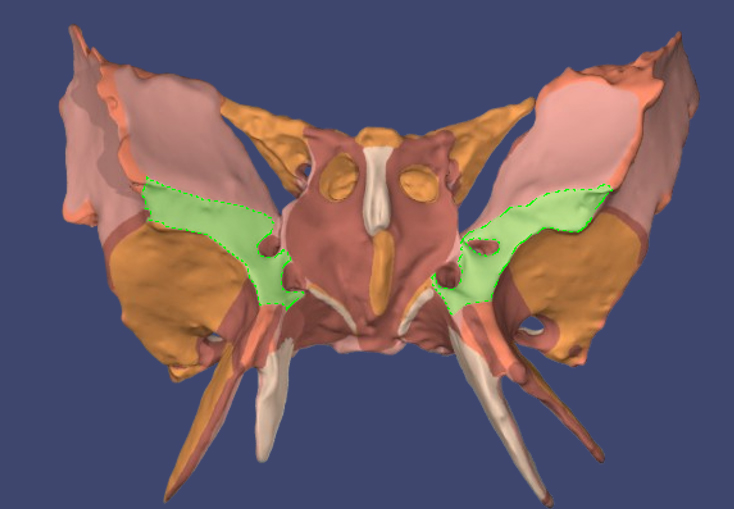
This online course provides an in-depth exploration of the sphenobasilar mechanism (the key to the cranium), focusing on its anatomy, physiology, common distortion patterns, and effective correction techniques. Participants will gain practical skills to evaluate and adjust the sphenobasilar junction, enhancing patient outcomes and expanding their chiropractic expertise.