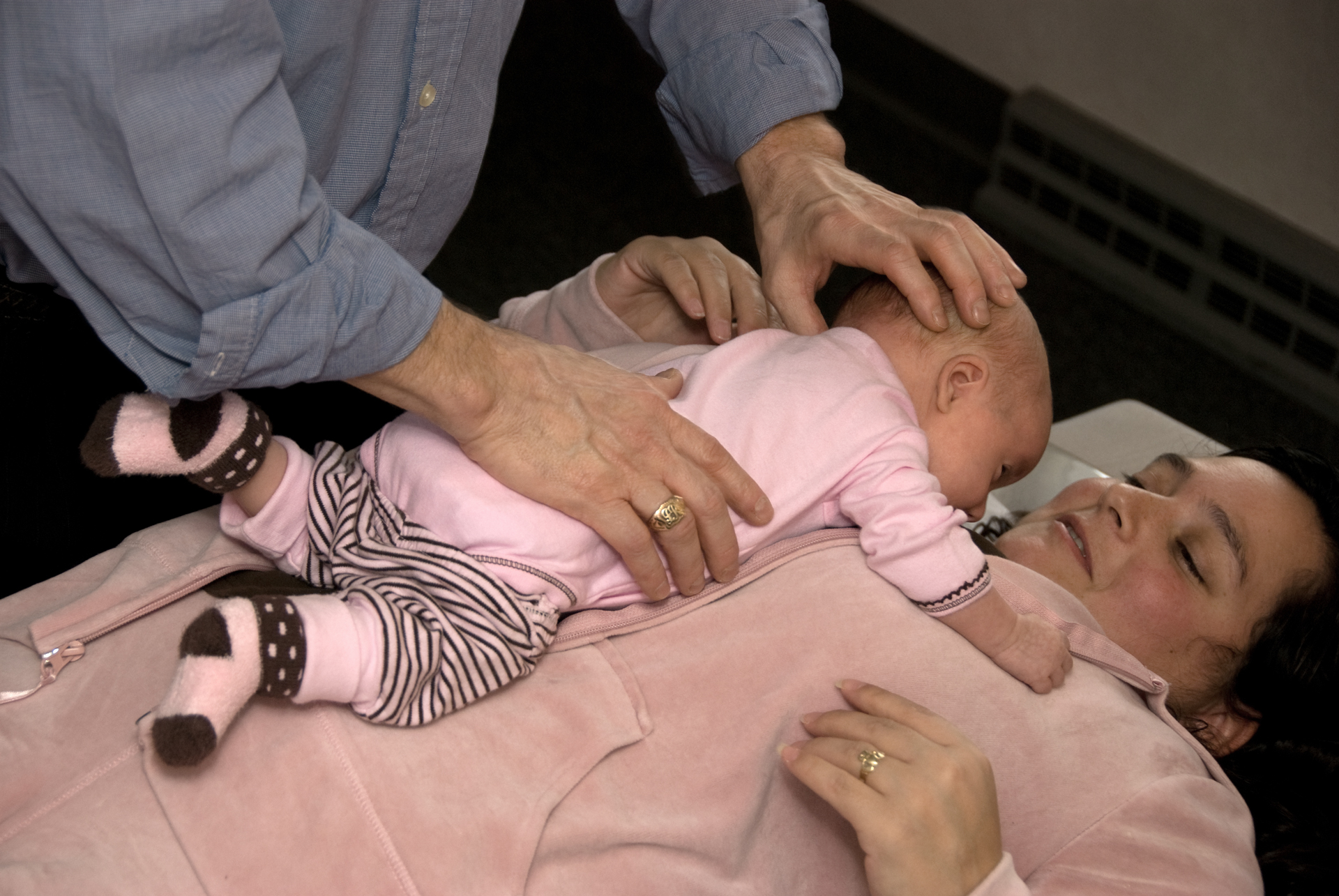
A Functional Approach to Specific Chiropractic Low-Intensity Spinal Adjusting Procedures
Gentle, Specific Procedures That Work with the Body’s Natural Protective and Self-Correcting Mechanisms (for the Adult and Pediatric Population)
Can a Chiropractic Adjustment Be Both Gentle and Highly Specific?
Chiropractic low-intensity spinal adjusting uses precise positioning, specific contacts and neurologically informed reflex responses to support gentle correction without forcing motion. Through precise positioning and the facilitation of the body’s proprioceptive and nociceptive reflexes, it helps restore structural balance by encouraging the body to return to its optimal state of ease.
In this online program, Dr. Martin Rosen teaches chiropractors how to evaluate and address cervical, thoracic, lumbar and pelvic dysfunction/subluxation using low-intensity procedures. Participants learn neurological indicators, contact points, positioning principles, adjusting sequences and re-evaluation procedures they can use with specificity and confidence, especially when high-velocity adjusting may not be appropriate or preferred.
LESS FORCE DOES NOT MEAN LESS SPECIFIC.
Develop a more adaptable adjusting approach for infants, children, sensitive patients and others who require gentle, neurologically informed care.
What You’ll Learn
By the end of the program, participants should be able to identify low-intensity adjusting indicators, choose appropriate contacts and positions, apply region-specific procedures, and confirm clinical change through re-evaluation.
- Principles of low-intensity adjusting: Understand how positioning, compression and neurological reflexes can facilitate correction without forcing motion.
- Neurological indicators: Use cervical, thoracic, lumbar and sacral findings to identify fixation, hypermobility and related distortion patterns.
- Cervical stairstep evaluation: Differentiate restricted motor-unit motion from skipped steps associated with hypermobility.
- Cervical correction procedures: Apply region-specific approaches for the atlas and axis, C3–C5, and C6–C7.
- Trapezius fiber analysis: Identify active reflex nodules, correlate them with vertebral involvement and verify change following correction.
- Thoracic adjusting: Use specific positioning and contacts for upper, middle and lower thoracic dysfunction.
- Resistance and Contraction factors: Apply the Lovett Brother cervical–lumbar relationships to help identify lumbar rotation and inferior tippage.
- Lumbar correction: Use specific techniques for rotational and inferior tippage patterns.
- Pelvic procedures: Evaluate and correct restricted ilial motion using supine and prone low-intensity approaches.
- Re-evaluation: Confirm correction by reassessing tenderness, tissue tension, swelling, motion and the original neurological indicators.
Resources Provided
- Structured online video class modules
- Detailed cervical, thoracic, lumbar and pelvic protocols
- Neurological indicator and examination instruction
- Step-by-step positioning and contact demonstrations
- Clinical application and re-evaluation guidance
- Downloadable presentation and reference material
- Complete class transcripts, workbook materials, live instructor calls, CEUs and email support
Why Take This Course?
Not every patient requires—or can comfortably tolerate—a high-force adjustment. Infants, young children, sensitive patients and those with pain, guarding, hypermobility or protective muscular tension may require a different approach. Low-intensity spinal adjusting allows the chiropractor to use the patient’s position, reflex responses and tissue changes as part of both the assessment and the correction.
The goal is not simply to use less force. It is to determine the involved spinal or pelvic segment, find the position of greatest ease or tissue release, maintain a precise contact, and recheck the original indicators to confirm that meaningful change has occurred.
Who Is This Course For?
This program is designed for chiropractors who want to provide gentle, specific and neurologically based spinal care with greater confidence. It is particularly valuable for practitioners who care for infants, children, patients with heightened sensitivity or guarding, and individuals for whom traditional high-force procedures may not be the best clinical choice.
Course Contents
6 Modules | 6 CTAs
-
Module 01 Foundations of Low-Intensity Adjusting
The principles of gentle, low-force care; working with protective and self-correcting mechanisms; proprioceptive and nociceptive reflexes; tissue ease; positioning; and structural adaptability.
-
Module 02 Cervical Stairstep Evaluation and Cervical Spine Adjusting Protocols
Patient positioning and hand contacts; assessment of cervical motor units; fixation patterns; and findings associated with hypermobility. Specific contacts and adjustment protocols for the entire cervical spine.
-
Module 03 Trapezius Fiber Analysis and Thoracic Adjusting Procedures
Evaluation with trapezius fibers and motion palpation. Specific correction protocols for the entire thoracic spine.
-
Module 04 R&C Factors Lumbar Indicators and Correction
Lovett Brother relationships, Resistance and Contraction factors, lumbar rotation and inferior tippage, correction protocols.
-
Module 05 Pelvic Evaluation and Adjustment
Supine ilial motion assessment, direct and indirect corrections, prone dollar-sign evaluation and pelvic corrections.
-
Module 06 Live demonstrations of Evaluation and Adjusting Protocols for Adults
Review of all evaluation and adjusting protocols for the entire spine and pelvis as well a live demonstration of the procedures.
Clinical Application
Throughout the program, participants move from indicator to contact, positioning, correction and re-evaluation. Each procedure emphasizes finding the position that produces tissue softening or reduced tenderness, holding the contact for an appropriate interval, returning the patient gently to neutral, and confirming change through the original clinical findings.
Meet the Instructors
As early as first quarter in chiropractic school they were attracted to each other’s commitment to chiropractic and the pursuit of excellence. Their combined 80 years of personal and clinical and teaching experience, in delivering the chiropractic adjustment is unparalleled in the chiropractic profession. Their international outreach through teaching, writing and lecturing has been a driving force in their personal and professional careers since their first seminar taught together as students, in 1979.
Their years of experience have taught them what works and what does not work to create a successful practice and lifestyle. The more competent and comprehensive your expertise you will find that more patients will seek your services and your practice will grow exponentially.

More Courses from Peak Potential Institute

This comprehensive online course delves into the anatomy and functionality of the vestibular system, emphasizing its role in balance, posture, coordination, and sensory processing. Participants will learn to evaluate and identify deficits and imbalances affecting overall health and functional capacity as well as adjusting protocols to address these issues.
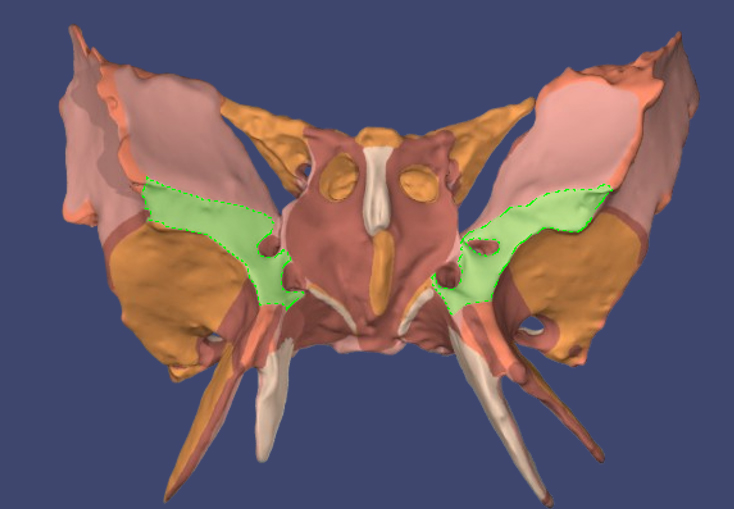
This online course provides an in-depth exploration of the sphenobasilar mechanism (the key to the cranium), focusing on its anatomy, physiology, common distortion patterns, and effective correction techniques. Participants will gain practical skills to evaluate and adjust the sphenobasilar junction, enhancing patient outcomes and expanding their chiropractic expertise.
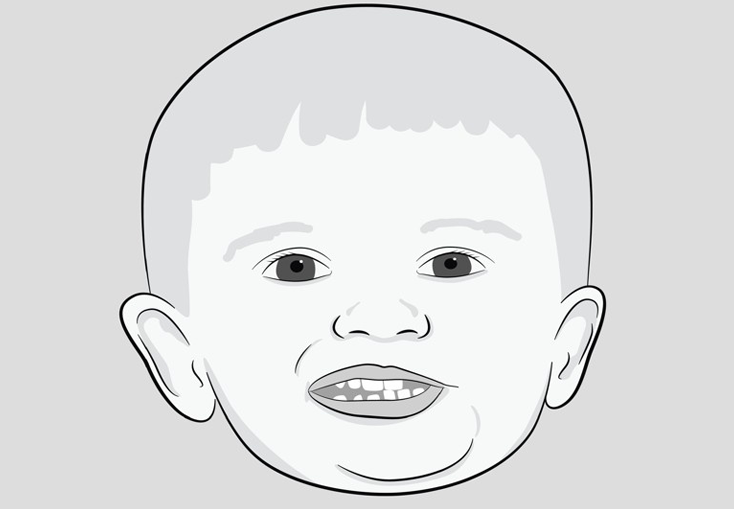
A course designed for parents, caregivers, chiropractors, and healthcare professionals.
Every child deserves the best start possible. But subtle cranial and facial distortions — often dismissed as “common” — can disrupt key developmental milestones during the most critical years of brain growth. This course helps you recognize those early red flags. Led by Drs. Marty Rosen and Nancy Watson, with parent-child coach Ashley Dalidowitz, you’ll learn how these structural imbalances affect neurological function and what you can do to support optimal development from the start. Whether you’re a parent seeking answers or a professional supporting pediatric families, this course offers the insight, tools, and clarity you need to support your child’s optimal functional development.