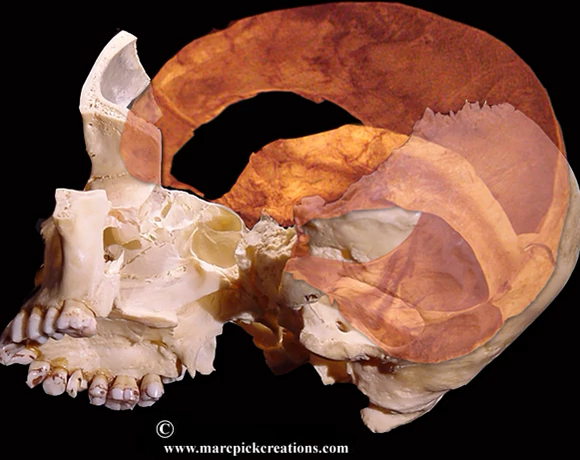
Understanding Cranial Bone Movement
Understanding Cranial Bone Movement
For chiropractors and healthcare professionals seeking clarity in the understanding of cranial bone motion and dynamics.
Unlock the mechanics behind chiropractic cranial adjusting with this online course, “How Cranial Bones Move”. You’ll learn the 4 specific motion patterns of the cranium and how they impact each cranial bone, tools to assess the proper movement of the cranium, and what these subtle shifts can have on the growth and development of the cranium.
We’ll explore how respiratory motion, dural tension, cerebrospinal mechanics and structural relationships (sutures and fontanelles) guide cranial motion, especially in infants where early patterns set the stage for development. This course is ideal for those new to cranial work or preparing for advanced certification, giving you the hands-on insight needed to refine your palpation and deliver precise, effective care.
Dr. Ken Cooper will guide you through the interplay of respiratory motion, dural tension, cerebrospinal fluid dynamics, and the role of sutures and fontanelles — especially crucial in pediatric patients, where early distortions can alter the course of development.
Whether you’re new to cranial work or preparing for advanced certification, this course builds the palpation skills and clinical insight needed to deliver precise, effective care.
Course Contents
7 Modules | 7 CTAs
-
Module 01 Cranial Anatomy
-
Module 02 Cranial Motion Fundamentals
-
Module 03 The Occiput and Sphenoid
-
Module 04 The Temporals
-
Module 05 The Frontal and Parietals
-
Module 06 The Palate
-
Module 07 Clinical Integration
Meet the Instructors
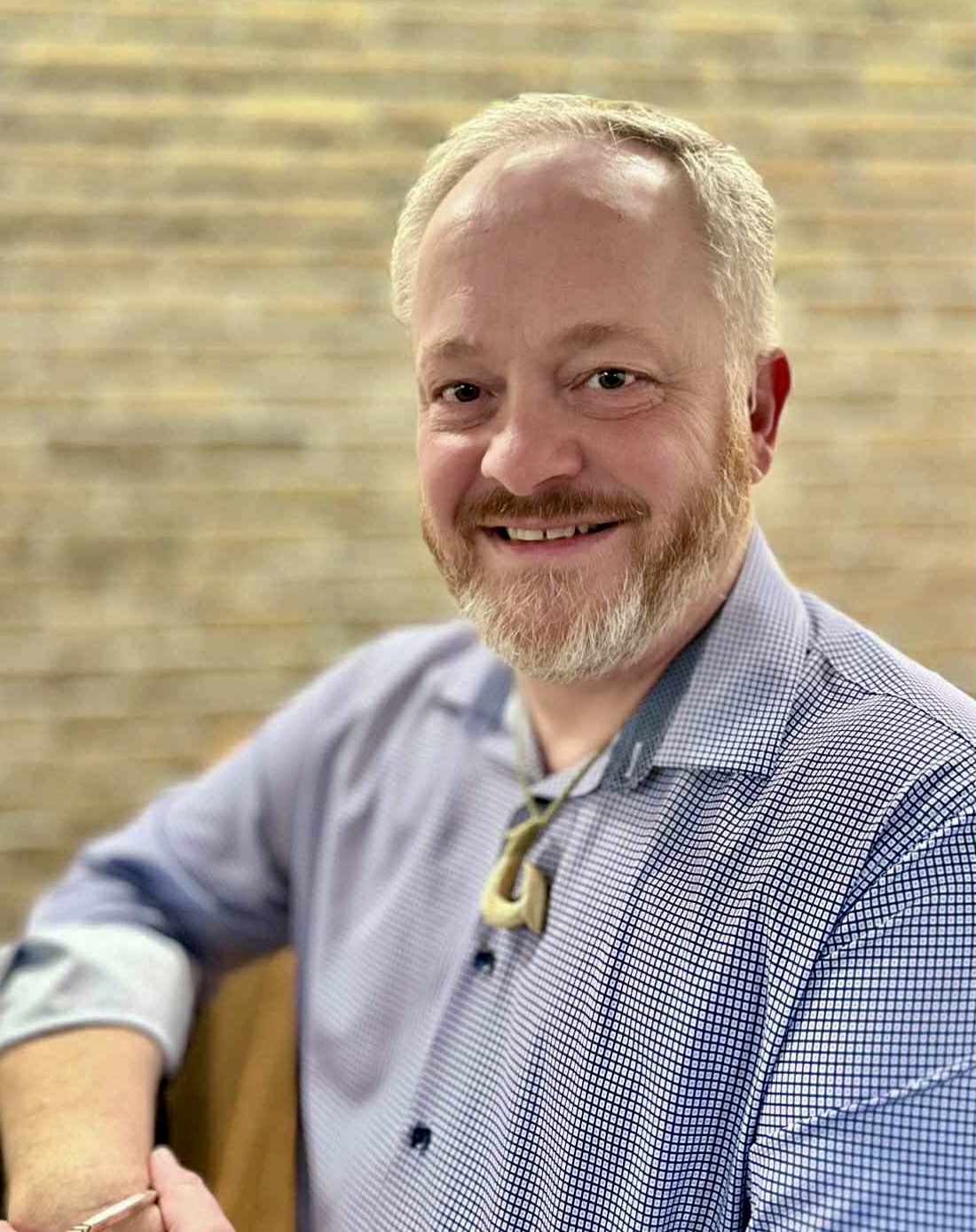
Dr. Ken Cooper brings over two decades of clinical experience, leadership, and dedication to advancing Pediatric and Perinatal Chiropractic care. A devoted husband, proud father of five, and grandfather of four, Dr. Cooper’s personal and professional life reflects his passion for family-centered wellness.
His journey in healthcare began with honorable service as a U.S. Navy Hospital Corpsman and nationally registered EMT in the early 1990s, laying a strong foundation for his commitment to care. He became a licensed Chiropractor in 2001, and by 2003 had completed a Pediatric Chiropractic Fellowship with the International Chiropractic Pediatric Association (ICPA)—an early indicator of his calling to serve the youngest members of our communities.
Dr. Cooper is Webster Certified and was directly taught the Webster Technique by its founder, the legendary Dr. Larry Webster. He went on to achieve his CACCP certification through the ICPA in 2019 and completed his Perinatal Certification in 2023.
A pioneer in his field, Dr. Cooper was one of the first three chiropractors to earn the Certified SOT Spinal Pediatric Practitioner (CSSPP) designation from Drs. Martin Rosen and Nancy Watson of the Peak Potential Institute in 2022, followed by becoming one of the first two recipients of the Certified Specialist in Pediatric Cranial Adjusting (CSCPP) in 2024.
In addition to his clinical work, Dr. Cooper is a 7th-degree black belt, accomplished author, active researcher, and sought-after speaker. His role as an international instructor in Pediatric Chiropractic allows him to educate and inspire doctors around the world with his practical knowledge, clinical insights, and heartfelt commitment to excellence in Pediatric Chiropractic care.
Whether in the classroom or the clinic, Dr. Ken Cooper continues to elevate the standards of care and education in Chiropractic, with a heart for children and a legacy of service.
Feedback From Our Students
-

Cillesha Ashworth, DC
I do like the email reminders of where I am at in the course and what I need to get finished. That accountability piece is huge. I do have a much better understanding of how the cranial bones move with inhalation and exhalation now.
I have gained more awareness around cranial work.
Yes, I would recommend this course, if just to gain more awareness around the subject.
-
Yekaterina Konovalova
I found it fascinating to learn about sutures, all the cranial bones, and flexion/extension of the bones.
I am going to pay more attention to the baby’s craniums when working with feeding issues to be able to properly refer for chiropractic care.
I am still working on visually noticing differences in baby’s craniums, something that I need to work on for some time.
I recommend this program to others as it brings awareness and knowledge of a baby’s cranial anatomy and how important it is in development.
-
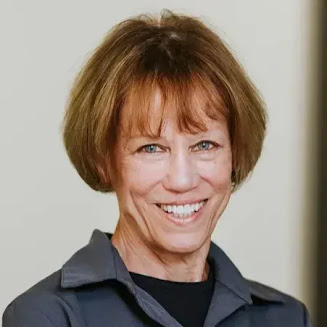
Dr. Margie Mannering
I have a better understanding of the system as a whole. It is important to develop observation skills, to be aware of what is wrong, but it is equally if not more important to understand why it is wrong. Dentistry can make observations about airway and anatomy but treating these alone is not predictable therapy.
Although I just retired from clinical dentistry, I hope to continue working with airway, myofunctional therapist and other therapies that work with craniosacral therapy.
Yes, I would recommend it to dentists and orthodontists that work with airway and expansion. I would also recommend it to myofunctional therapists. Dentists and therapists often focus just on their own area of expertise. That is a very limited scope and doesn’t allow for a complete diagnosis
Very complete course.
More Courses from Peak Potential Institute
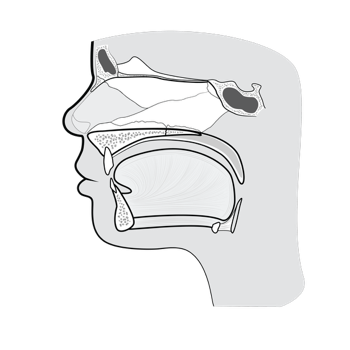
What Can Oral Movement Tell Us About the Person?
The way a person breathes, rests the tongue, moves the jaw, chews and swallows can reveal important relationships among cranial function, airway development, posture and oral function.
Oral movement does not occur in isolation. It develops within an integrated system involving the cranium, nervous system, airway, palate, temporomandibular joints, cervical spine and the body’s ability to adapt to gravity and movement.
In this six-week online program, Dr. Erin Rosen takes you from the foundations of the living, adaptable cranium through cranial motion, airway and sinus development, palatal form, sucking, chewing, tongue function and swallowing.
Ready to elevate your practice and transform patient outcomes? Our 38-class ONLINE Cranial Immersion Class offers an unparalleled opportunity to learn chiropractic cranial adjusting SM protocols from A to Z. Designed for practitioners eager to master the art and science of cranial work, this immersive course will guide you through every aspect—from foundational anatomy to advanced correction techniques.
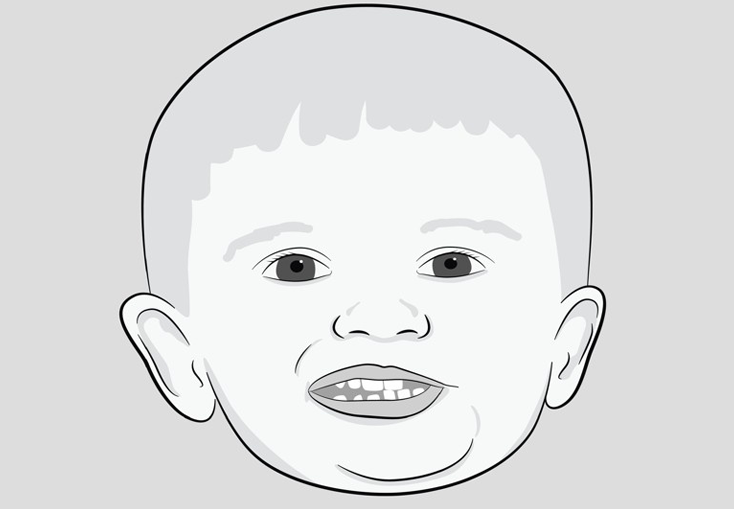
A course designed for parents, caregivers, chiropractors, and healthcare professionals.
Every child deserves the best start possible. But subtle cranial and facial distortions — often dismissed as “common” — can disrupt key developmental milestones during the most critical years of brain growth. This course helps you recognize those early red flags. Led by Drs. Marty Rosen and Nancy Watson, with parent-child coach Ashley Dalidowitz, you’ll learn how these structural imbalances affect neurological function and what you can do to support optimal development from the start. Whether you’re a parent seeking answers or a professional supporting pediatric families, this course offers the insight, tools, and clarity you need to support your child’s optimal functional development.