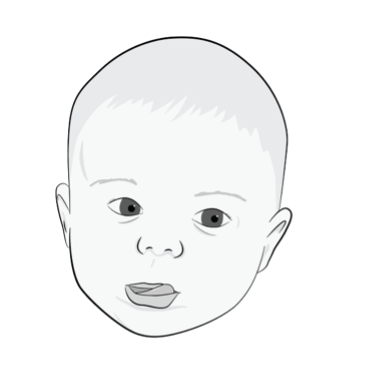
Visual Analysis – It’s Role in Determining Cranial Distortion/Subluxation Patterns
Visual Analysis – It’s Role in Determining Cranial Distortion/Subluxation Patterns
Before your hands ever touch the patient, your eyes should already be identifying the story their cranium is telling.
This online seminar with Dr. Martin Rosen introduces the essential skill of visual cranial analysis—a foundational tool for identifying cranial distortion and subluxation patterns. Learn how to detect subtle asymmetries and visual indicators that reflect deeper neurological imbalances and structural compensations. Whether you’re new to cranial work or refining your observational skills, this training will enhance your precision and clinical confidence.
See What Others Miss. Visual analysis is more than observation—it’s a diagnostic gateway to the structure-function relationship within the cranium. This seminar will help you sharpen your perception, identify key distortion patterns, and deliver more precise and effective care.
Register now and begin transforming your assessments today.
What You’ll Learn
- How to perform a step-by-step visual assessment of the skull and face
- Key indicators of cranial bone subluxation, including the occiput, sphenoid, temporal, frontal, and maxilla
- The relationship between visual asymmetries and underlying neurological dysfunction
- How visual analysis informs your palpation, adjusting sequence, and treatment plan
- Case correlations showing how visual clues predict clinical outcomes
Resources Provided
- Online video instruction and demonstrations
- Clinical correlations and examples
- PDF workbook and reference charts
- Certificate of completion (CEUs available where applicable
Course Contents
12 Modules | 12 CTAs
-
Module 01 The Structures Beneath
-
Module 02 Sutures of the Cranium
-
Module 03 The Pediatric Cranium
-
Module 04 Cranial Motion
-
Module 05 The Dural Meningeal System
-
Module 06 Respiratory Effects on the Cranium
-
Module 07 Introduction to Visual Analysis
-
Module 08 Visual Analysis: Temporal
-
Module 09 Visual Analysis: Frontal
-
Module 10 Visual Analysis: Sphenobasilar
-
Module 11 Visual Analysis: Maxilla and Parietal
-
Module 12 Integrating Visual Analysis
Meet the Instructors
As early as first quarter in chiropractic school they were attracted to each other’s commitment to chiropractic and the pursuit of excellence. Their combined 80 years of personal and clinical and teaching experience, in delivering the chiropractic adjustment is unparalleled in the chiropractic profession. Their international outreach through teaching, writing and lecturing has been a driving force in their personal and professional careers since their first seminar taught together as students, in 1979.
Their years of experience have taught them what works and what does not work to create a successful practice and lifestyle. The more competent and comprehensive your expertise you will find that more patients will seek your services and your practice will grow exponentially.

Feedback From Our Students
-

Lilian Aliberti, DC
This program helped me further train my eye for skull analysis. It significantly refines one’s skills and helps us gain even greater knowledge and confidence when making adjustments.
The confidence in how we communicate with patients, the realization – even deeper now – of our importance in the lives of everyone who passes through our hands, and the opportunity to learn from you – all of this transforms my life.
In addition to learning how to assess, explain, and demonstrate asymmetries to parents – enabling them to understand the condition and help other families by raising awareness about the importance of correcting cranial issues—I also emphasize that this is not merely a cosmetic concern, as many people tend to believe. I had a particularly interesting case involving a 41-year-old adult patient who reported significant difficulty breathing through his nose; he suffered from frequent sinusitis and recurring ear infections in his right ear, which, to him, constantly felt blocked. After just a single adjustment session, he sent me the following message: “Lilian, just wanted to give you some feedback… both my nostrils are clear now, and I’m breathing so—really, *so* much better. It’s been ages since I’ve felt like this!” He also reported that, following the session, he experienced a discharge of secretions that he felt had been trapped in his facial sinuses for years. A few months later, he reported that he had not suffered from sinusitis or ear infections since that time—and added that his wife absolutely loved me because his snoring had improved so dramatically! (lol)
Without a doubt, I would recommend this course. Learning from this couple transforms your practice—and it’s completely addictive!
I love you guys!!!
-
Dr. Mikaela Gordon
My three takeaways: Content is great – well-spoken – importance of movement of the cranium in development.
This program made me feel more clinically capable in diagnosis of cranial imbalances.
My own son has a temporal imbalance that I had noted since birth and had worked but with the course I seem to have made greater changes in the few short weeks I have been working with him.
Yes, I would recommend this course.
-

Hilda Goh Sin Yi
My three takeaways:
1. Cranial patterns tell a story.
2. Visual analysis helps identify compensation before touching the client.
3. Recognizing patterns is more important than focusing on individual symptoms.That it is a quick and simple assessment tool that I can add into my practice.
I applied the occipital technique and the skull shape changed, there is more flexion in the cranial motion.
Yes, I would recommend this course. It is simple and easy to follow through.
More Courses from Peak Potential Institute
Ready to elevate your practice and transform patient outcomes? Our 38-class ONLINE Cranial Immersion Class offers an unparalleled opportunity to learn chiropractic cranial adjusting SM protocols from A to Z. Designed for practitioners eager to master the art and science of cranial work, this immersive course will guide you through every aspect—from foundational anatomy to advanced correction techniques.
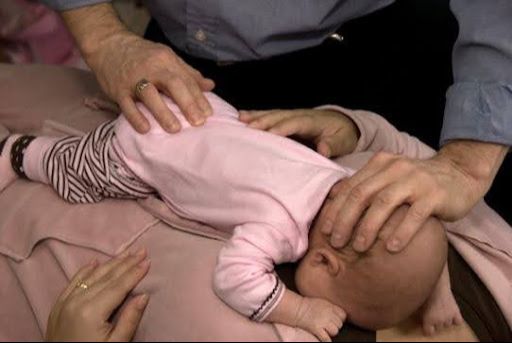
This course explores the sacro-occipital respiratory (SOR) motion and its critical role in neuromusculoskeletal balance and dural integrity. Restore rhythmic motion between sacrum and occiput to improve CSF dynamics, postural balance, and structural integrity.
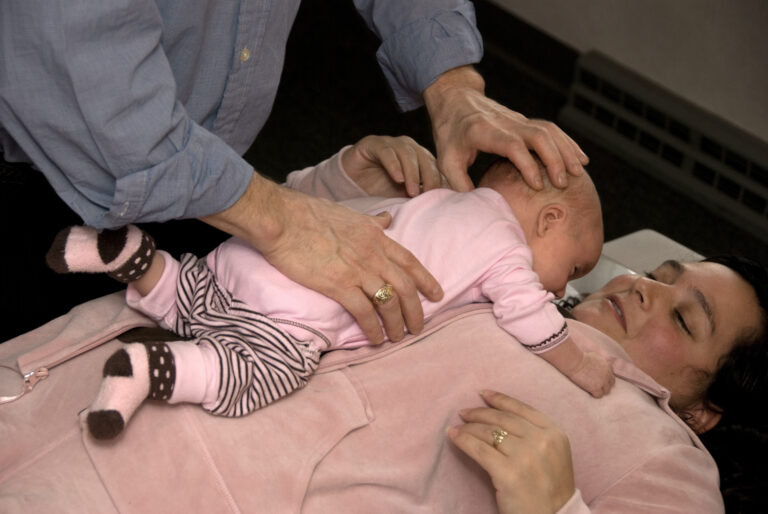
Can a Chiropractic Adjustment Be Both Gentle and Highly Specific? Chiropractic low-intensity spinal adjusting uses precise positioning, specific contacts and neurologically informed reflex responses to support gentle correction without forcing motion. Through precise positioning and the facilitation of the body’s proprioceptive and nociceptive reflexes, it helps restore structural balance by encouraging the body to return to its optimal state of ease.
In this online program, Dr. Martin Rosen teaches chiropractors how to evaluate and address cervical, thoracic, lumbar and pelvic dysfunction/subluxation using low-intensity procedures. Participants learn neurological indicators, contact points, positioning principles, adjusting sequences and re-evaluation procedures they can use with specificity and confidence, especially when high-velocity adjusting may not be appropriate or preferred.