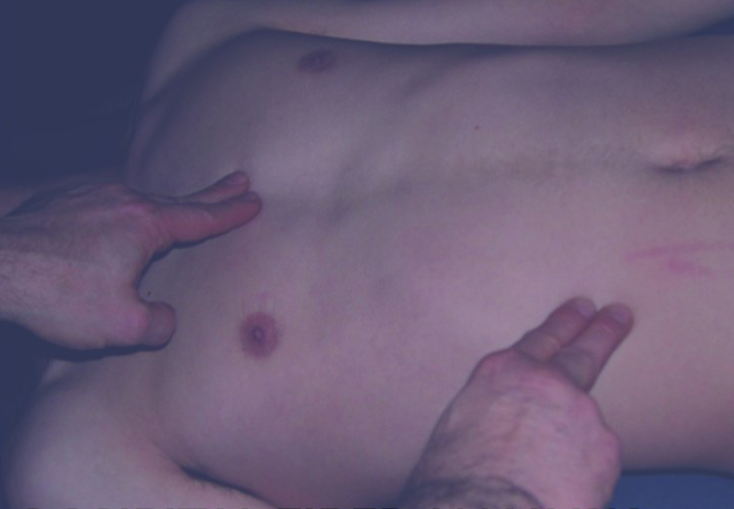
Occipital Fiber Analysis & Soft Tissue Reflex Techniques (CMRT)
Occipital Fiber Analysis & Soft Tissue Reflex Techniques: Master the Art of Precision in Chiropractic Analysis and Correction
The ability to pinpoint the primary source of subluxation patterns is what separates a good chiropractor from a truly exceptional one. With Occipital Fiber Analysis and Soft Tissue Reflex Techniques, you gain access to a powerful indicator system that guides your clinical decisions with unmatched specificity.
This in-depth online course teaches you how to use occipital fibers as neurological indicators to identify stress patterns, organ involvement, and vertebral subluxations—and how to apply soft tissue reflex corrections to release stored tension, enhance spinal stability, and support long-term healing.
These techniques offer a unique lens through which to assess and care for the whole body—making your adjusting more effective, efficient, and neurologically driven.
What You’ll Learn
- How to read and interpret occipital fiber patterns to locate primary subluxations and organ stress
- The neurological basis of soft tissue reflex techniques and their clinical applications
- Step-by-step protocols to evaluate and correct vertebral and visceral patterns
- How to use these tools to complement and enhance SOT® and other chiropractic systems
- Methods to stabilize chronic subluxation patterns and support nervous system regulation.
Resources Provided
- Video class modules
- Evaluation & technique presentations
- Practical demonstrations
- Calls to action (CTAs)
- Complete PDF workbooks
- Full transcriptions of video classes
- Email access to Dr. Rosen & Dr. Watson
Why Take This Course?
- Occipital fibers reveal deep-seated patterns that traditional evaluations may miss
- Soft tissue reflex techniques allow you to address visceral and structural imbalances non-invasively
- These tools help you tailor care to each patient’s unique presentation, improving outcomes and retention
Who Is This Course For?
Chiropractors who want to:
- Sharpen their diagnostic skills with a reliable indicator system
- Address organ and system imbalances without forceful manipulation
- Expand their toolbox with neurologically-based, low-force correction techniques
- Deliver deeper, more lasting results across all patient populations
Whether you’re seeking more clarity in your analysis or more precision in your adjusting, this course will elevate your practice to the next level. It’s time to take the guesswork out of chiropractic care—and replace it with certainty, specificity, and results.
Course Contents
19 Modules | 10 CTAs
-
Module 01 Occipital Fiber Analysis and 5 Step Process
-
Module 02 Demonstration of 5 Step Process
-
Module 03 Occipital Fiber Line 2 - Fiber 1 - T1 - Coronary
-
Module 04 Occipital Fiber Line 2 - Fiber 1 - T2 - Myocardial
-
Module 05 Occipital Fiber Line 2 - Fiber 1 - T10 - Intestinal
-
Module 06 Occipital Fiber Line 2 - Fiber 2 - T3 - Respiratory
-
Module 07 Occipital Fiber Line 2 - Fiber 2 - T11-12 - Kidney
-
Module 08 Occipital Fiber 2 - Fiber 3 - L1 - Illeocecal
-
Module 09 Occipital Fiber Line 2 - Fiber 3 - T4 - Gallbladder
-
Module 10 Occipital Fiber Line 2 - Fiber 3 - T5 – Gastric and Hiatal Hernia
-
Module 11 Occipital Fiber 2 Fiber 4 - T6 - Pancreas
-
Module 12 Occipital Fiber 2 Fiber 4 - L2 - Cecum
-
Module 13 Occipital Fiber 2 Fiber 5 - L3 - Glandular Syndrome
-
Module 14 Occipital Fiber 2 Fiber 5 - T7 - Spleen/Lymphatic System
-
Module 15 Occipital Fiber 2 Fiber 6 - L4 - Colon Syndrome
-
Module 16 Occipital Fiber 2 Fiber 6 - T8 - Liver
-
Module 17 Occipital Fiber 2 Fiber 7 - L5 - Prostate and Uterus
-
Module 18 Occipital Fiber 2 Fiber 7 - T9 - Adrenal Syndrome
-
Module 19 Serous Fluid Balancing (CSF) and Cranial Balancing Techniques
Meet the Instructors
As early as first quarter in chiropractic school they were attracted to each other’s commitment to chiropractic and the pursuit of excellence. Their combined 80 years of personal and clinical and teaching experience, in delivering the chiropractic adjustment is unparalleled in the chiropractic profession. Their international outreach through teaching, writing and lecturing has been a driving force in their personal and professional careers since their first seminar taught together as students, in 1979.
Their years of experience have taught them what works and what does not work to create a successful practice and lifestyle. The more competent and comprehensive your expertise you will find that more patients will seek your services and your practice will grow exponentially.

Feedback From Our Students
-
Dr. Brooke Lee
I Love soft tissue work. I have been doing soft tissue for 27 years. I also love the idea of healing with the organ systems and linking the body to embryological connections via the postganglionic reflexes. I feel that this class was just more to everything that I have already learned from and with you. It is very complex information, and it really has opened my skill set.
My three takeaways are: 1. The order of finding and dealing with the line two fiber analysis and when to use the CMRT for visceral indicators. 2. The way to make and distribute a chart that has the subjective images of pain location and the actual fibers and vertebral level. 3. The interconnection of where and how each line two fiber and different organs may cross reference one another.
I have more learning to do and more study as I integrate this into my practice. I cannot wait to have the skill set to see the interconnections in my practice.
Wow, thank you so very much for sharing your information, knowledge, experience and life with us and for keeping the passion alive!
-

Dr. John Needler
No matter how long you’ve been in practice, keep learning.
This program cleaned up some bad habits accumulated over the years.
Yes, I would recommend this class.
-

Dr. Lilian Aliberti
All courses by Dr. Martin are amazing. I can’t get enough of learning from him and his wife Dr Nancy. With the last course I helped a 6 month old baby with Down syndrome who was having a lot of reflux and 6 days without pooping. On the same day of the adjustment, the mother texted me saying that the reflux had improved by 70% and that he had pooped twice without any medicine. That was fantastic! So, I can tell you, the courses are amazing. I use learning on all my patients, children and adults. Dr. Martin changed my professional life. I am grateful to God for having met this wonderful family, because thanks to them, I am able to help many patients. I am very proud to say that he is my mentor and my inspiration.
More Courses from Peak Potential Institute

Understand CSF physiology and into the critical role of cerebrospinal fluid (CSF) within the central nervous system. Learn chiropractic cranial adjusting techniques to improve CSF flow and neurological regulation.
Ready to elevate your practice and transform patient outcomes? Our 38-class ONLINE Cranial Immersion Class offers an unparalleled opportunity to learn chiropractic cranial adjusting SM protocols from A to Z. Designed for practitioners eager to master the art and science of cranial work, this immersive course will guide you through every aspect—from foundational anatomy to advanced correction techniques.
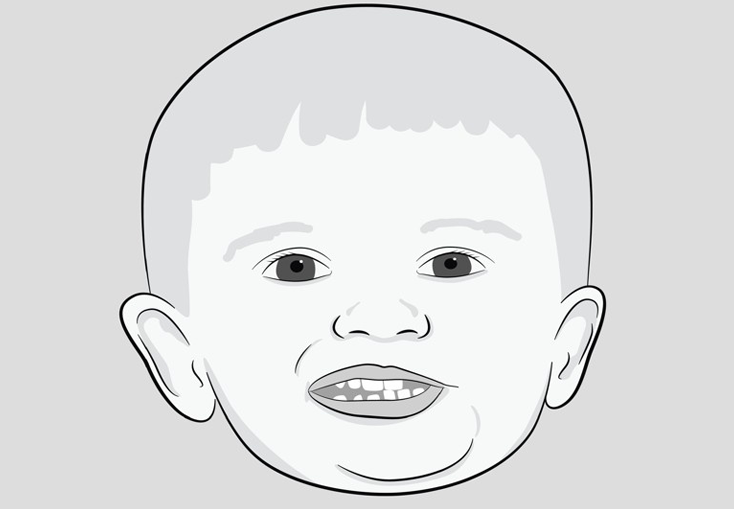
A course designed for parents, caregivers, chiropractors, and healthcare professionals.
Every child deserves the best start possible. But subtle cranial and facial distortions — often dismissed as “common” — can disrupt key developmental milestones during the most critical years of brain growth. This course helps you recognize those early red flags. Led by Drs. Marty Rosen and Nancy Watson, with parent-child coach Ashley Dalidowitz, you’ll learn how these structural imbalances affect neurological function and what you can do to support optimal development from the start. Whether you’re a parent seeking answers or a professional supporting pediatric families, this course offers the insight, tools, and clarity you need to support your child’s optimal functional development.