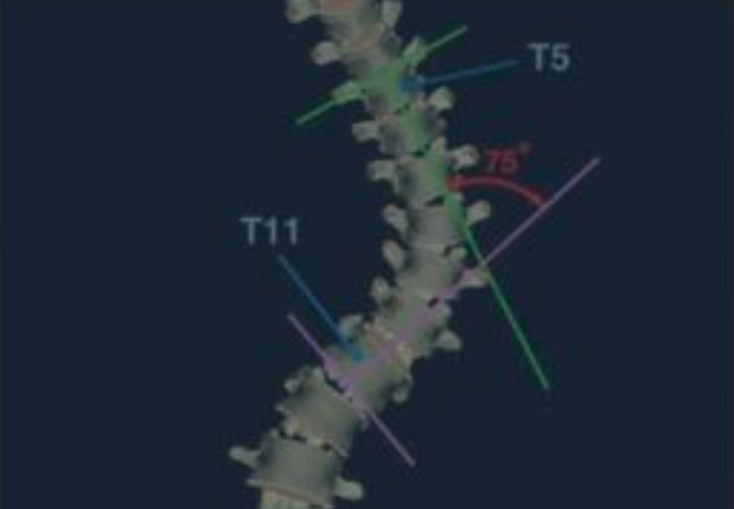
Scoliosis: Adjusting Protocols & Home Care
Scoliosis: Chiropractic Adjusting Protocols & Home Care Strategies – Support Structural Balance and Long-Term Spinal Correction
Scoliosis presents unique challenges in chiropractic care—requiring more than standard adjusting to create long-term, sustainable change. To effectively support spinal correction, chiropractors need a comprehensive approach that includes precise ancillary techniques and patient-specific home care protocols.
In this online course, you’ll gain the tools to evaluate, adjust, and support patients with scoliosis using gentle, targeted techniques that address spinal distortion patterns, postural imbalances, and compensatory tension. You’ll also learn how to implement simple, effective home care strategies that enhance and stabilize in-office corrections.
This course is ideal for chiropractors looking to deliver deeper, more consistent results for both pediatric and adult patients with scoliotic presentations.
What You’ll Learn
- Comprehensive assessment protocols to identify scoliosis patterns and related structural compensations
- Specific SOT®-based and cranial adjusting procedures to support spinal realignment and neurological balance
- Soft tissue and reflex techniques that enhance structural mobility and reduce spinal tension
- Home care routines and exercises to reinforce in-office corrections and improve posture, proprioception, and muscular support
- Strategies for patient education and engagement in long-term corrective care
Resources Provided
- Video class modules
- Evaluation & technique presentations
- Practical demonstrations
- Calls to action (CTAs)
- Complete PDF workbooks
- Full transcriptions of video classes
- Email access to Dr. Rosen & Dr. Watson
Why Take This Course?
- Scoliosis requires a multi-dimensional approach that goes beyond spinal adjusting alone
- Ancillary protocols and home care support are key to stabilizing progress and improving outcomes
- These techniques are gentle, effective, and easily integrated into family, pediatric, and wellness-based practices
Who Is This Course For?
Chiropractors who want to:
- Expand their effectiveness with scoliosis cases at any age
- Integrate soft tissue, cranial, and postural correction techniques into their scoliosis protocols
- Provide long-term solutions that empower patients and create lasting spinal change
- Deliver results that are measurable, sustainable, and neurologically driven
Whether you’re currently working with scoliosis patients or looking to add this specialized skillset to your practice, this course will give you the clinical tools and confidence to make a greater impact.
Course Contents
5 Modules | 5 CTAs
-
Module 01 Types of Scoliosis and Management
-
Module 02 Scoliosis Evaluation and Adjustments
-
Module 03 Scoliosis Management: Demonstrations
-
Module 04 Scoliosis Blocking Procedures
-
Module 05 Home Care Protocols
Meet the Instructors
As early as first quarter in chiropractic school they were attracted to each other’s commitment to chiropractic and the pursuit of excellence. Their combined 80 years of personal and clinical and teaching experience, in delivering the chiropractic adjustment is unparalleled in the chiropractic profession. Their international outreach through teaching, writing and lecturing has been a driving force in their personal and professional careers since their first seminar taught together as students, in 1979.
Their years of experience have taught them what works and what does not work to create a successful practice and lifestyle. The more competent and comprehensive your expertise you will find that more patients will seek your services and your practice will grow exponentially.

Feedback From Our Students
-
Madison DeHaan
My three takeaways:
1- the importance of dural attachments and creating ease in the nervous system by reducing stress in areas of tension.
2- Real-life applications for the tools we learned.
3- cranial adjusting tips to take into practice.This really helped bridge my knowledge from school and other seminars. It was a deep dive into relevant material that we don’t get from school. It better equipped me to serve patients in clinic and future practice.
1-Cranial adjusting – we don’t learn this at school.
2-Suture Palpation – analyzing the skull to find patterns of distortion and address common compensation patterns. I even had a friend at school mention that she had a weird bump that she wasn’t sure why it felt “stuck” on her skull – a few attendees and I were able to palpate and agree it was likely restricted motion at the asterion! So cool!I definitely would recommend this course! If you want to work with kids and create lasting impacts to the nervous system- it’s important to get early results during prime brain development! This course defined why that period is crucial and gave the tools to address it!
Dr. Jacobe was AWESOME! Very helpful and relatable. He presented the materials in a manner we could understand and was able to answer all of our questions. Dr. Brooke was very knowledgeable and friendly.
-
Anna Grace Agro
Top Three takeaways:
1. Clear and concise protocols with application.
2. Reasoning behind why you’re doing what you’re doing.
3. Very helpful clinical indicators.Future Impact:
This program has given me a lot of confidence in my analysis with infants and children. At first, I didn’t know what to look at, what those findings meant, and what to do with them. Now I feel I have an answer to all those questions.Relevant Techniques:
I am very excited to start using SOR on all my outpatients in clinic. Every analysis, indicator, and correction I will use in my future!Recommend?
Simple yet in depth analysis and protocol. Straight to the point but also has the capacity to expand and apply it to much more.This was the first seminar I felt as though the instructor truly wanted us to learn and take away a lot from this seminar. Most seminars I leave feeling they only gave us tidbits of what they do, and it’s hard for us to incorporate in real life. I felt full transparency in this seminar and feel like I am leaving with a lot of knowledge and protocols that I can use.
-
Rebecca Yaunches
Top Three Takeaways:
1. Cranials
2. Nervous system by age 6
3. SORFuture Impact:
Approaching pediatric adjustments from a different lens.Relevant Techniques:
Cranials — suffering from chronic migraines and curious if/how it will help.Recommend?
Yes. I feel like if you aren’t addressing this when adjusting a patient, you are ignoring an entire system.Dr. Rosen is amazing and very good at explaining everything. He moves pretty quickly but always stops for questions and clarifications. 10/10 recommend — will definitely be taking the full course!
More Courses from Peak Potential Institute
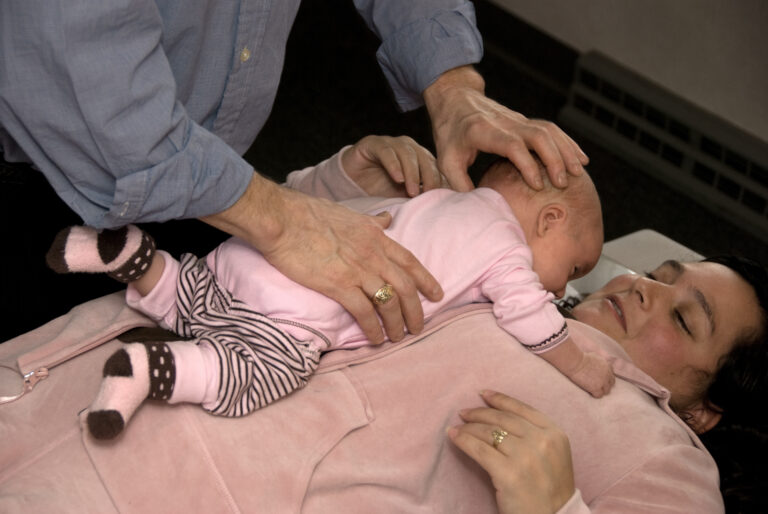
Can a Chiropractic Adjustment Be Both Gentle and Highly Specific? Chiropractic low-intensity spinal adjusting uses precise positioning, specific contacts and neurologically informed reflex responses to support gentle correction without forcing motion. Through precise positioning and the facilitation of the body’s proprioceptive and nociceptive reflexes, it helps restore structural balance by encouraging the body to return to its optimal state of ease.
In this online program, Dr. Martin Rosen teaches chiropractors how to evaluate and address cervical, thoracic, lumbar and pelvic dysfunction/subluxation using low-intensity procedures. Participants learn neurological indicators, contact points, positioning principles, adjusting sequences and re-evaluation procedures they can use with specificity and confidence, especially when high-velocity adjusting may not be appropriate or preferred.
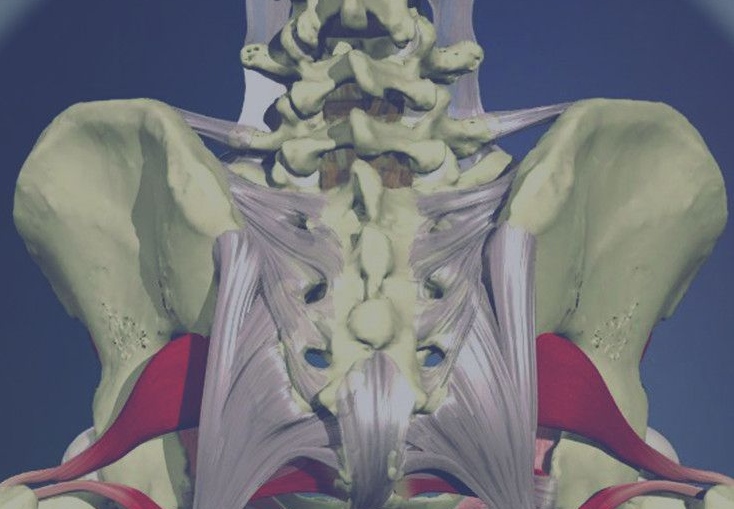
This course provides chiropractors with an in-depth understanding of the SOT® (Sacral Occipital Technique) Three Category System. Participants will learn to identify, evaluate, and correct Category I, II, and III subluxation patterns using SOT® adjusting protocols.
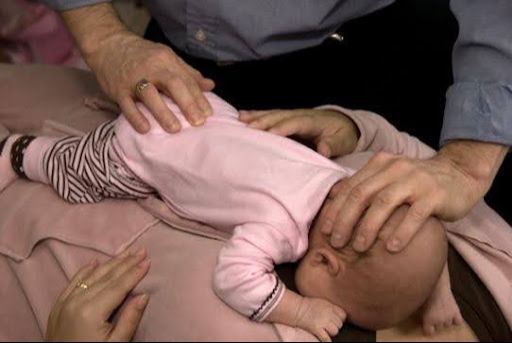
This course explores the sacro-occipital respiratory (SOR) motion and its critical role in neuromusculoskeletal balance and dural integrity. Restore rhythmic motion between sacrum and occiput to improve CSF dynamics, postural balance, and structural integrity.