Neurological Pain Management in the Pediatric Patient
Pediatric Pain Control: Comprehensive Chiropractic Strategies for Infants and Children
This class explores gentle, effective strategies for identifying and addressing acute pain in infants and children. Using SOT® protocols, cranial adjusting, specific spinal indicators, and soft tissue balancing techniques practitioners will learn how to manage acute and chronic discomfort, reduce facilitative lesions, and restore neurological balance.
Pain in infants and children is often misunderstood, overlooked, or dismissed as “just a phase.” Yet, as chiropractors, we recognize that pain signals underlying dysfunction in the cranial, spinal, neurological or organ systems and when left unaddressed, these patterns can interfere with proper growth and development.
This course provides chiropractors with a clear framework to understand, evaluate, and manage pediatric pain using Sacro Occipital Technique® (SOT®) protocols and cranial adjusting, and soft tissue supportive procedures specifically adapted for children.
This is more than a pain management course. It’s a comprehensive look at how chiropractic care can gently and effectively help children move from distress to comfort.
What You’ll Learn
- The Physiology of Pediatric Pain How facilitative lesions and dural meningeal stress create ongoing discomfort in infants and toddlers.
- Comprehensive Evaluation Protocols Learn to use specific, cranial and spinal indicators, and organ reflex points to pinpoint the source of pain.
- Hands-On Adjusting Procedures Practical application of pain control protocols are demonstrated in a step-by-step manner.
- Condition-Specific Protocols Chiropractic neurologically based protocols for common pediatric presentations including colic, otitis media, digestive issues, musculoskeletal strain, teething pain, and other common challenges in the pediatric patient
- Integrating Pain Control into Care Plans How to communicate findings with parents, explain the neurological connections behind their child’s discomfort, and create care strategies that address both immediate relief and long-term health.
Resources Provided
- Online video instruction and demonstrations
- Clinical correlations and examples
- PDF workbook and reference charts
- Certificate of completion (CEUs available where applicable)
Why Take This Course?
- Broaden Your Clinical Impact: Gain confidence addressing one of the most common reasons parents seek care — their child’s pain.
- Master Specialized Tools: Acquire chiropractic protocols that go beyond symptom relief to restore balance to the nervous system and support healthy development.
- Differentiate Your Practice: Offering pediatric-specific pain protocols positions you as a trusted resource for families in your community.
- Support Lifelong Health: By helping children early, you set the stage for optimal neurological and structural growth, creating lasting benefits into adulthood.
Course Contents
12 Modules | 12 CTAs
-
Module 01 Pediatric Pain Control
-
Module 02 Neutralization Techniques
-
Module 03 Cranial Neutralization Techniques
-
Module 04 TS Line and Visceral Synchronization
-
Module 05 Ear Infections
-
Module 06 Teething
-
Module 07 Colic and Digestive Issues
-
Module 08 Cranial Contact Points
-
Module 09 Demonstration of Neutralization Techniques
-
Module 10 Demonstration of Cranial Neutralization Techniques
-
Module 11 Demonstration of Ear Infection and Teething Techniques
-
Module 12 Demonstration of Colic and Digestive Techniques
Meet the Instructors
As early as first quarter in chiropractic school they were attracted to each other’s commitment to chiropractic and the pursuit of excellence. Their combined 80 years of personal and clinical and teaching experience, in delivering the chiropractic adjustment is unparalleled in the chiropractic profession. Their international outreach through teaching, writing and lecturing has been a driving force in their personal and professional careers since their first seminar taught together as students, in 1979.
Their years of experience have taught them what works and what does not work to create a successful practice and lifestyle. The more competent and comprehensive your expertise you will find that more patients will seek your services and your practice will grow exponentially.

Feedback From Our Students
-

Dr. Patricia Kazimier
My three takeaways:
1. impressed with the effectiveness of occiput fiber adjusting – previously was just addressing side slip.
2. find the sag. suture spread really effective even in chronic conditions with the older population.
3. surprised how common the anterior sacral segment is found. enjoying helping free that in clients.I intend to use this on my own children when they are presenting with symptoms and any friends / family / clients.
People love dollar sign neutralization!
Yes, I would recommend this course. It is always essential to meet the needs of clients in an effective, holistic way.
-
Dr. Zachary Kotlerman
Great look at SOT and cranial techniques for controlling pain in kids.
Great look at where to use sustained contact for cranial holds and how to use cranial adjusting to influence pain and symptom relief.
More Courses from Peak Potential Institute

The Peak Potential Institute is excited to present Dr. Courtney Neill’s online program, “The Role of Primitive Reflexes in Neurological Organization.” This course goes beyond understanding primitive reflexes—it provides practical assessment and integration exercises that chiropractors can use to help address retained primitive reflex patterns.
Dr. Neill guides participants through the development of the different levels of the brain and explains how neurological input, motor output, developmental milestones, and primitive reflexes work together during normal neurological organization. You’ll learn how to recognize retained primitive reflexes and understand how they may influence sensory processing, coordination, posture, movement patterns, and higher-level neurological function.
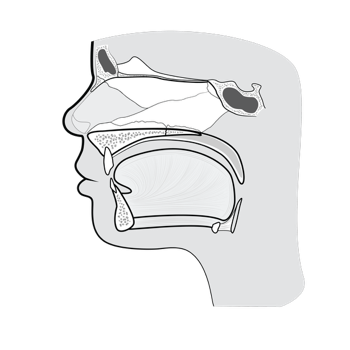
What Can Oral Movement Tell Us About the Person?
The way a person breathes, rests the tongue, moves the jaw, chews and swallows can reveal important relationships among cranial function, airway development, posture and oral function.
Oral movement does not occur in isolation. It develops within an integrated system involving the cranium, nervous system, airway, palate, temporomandibular joints, cervical spine and the body’s ability to adapt to gravity and movement.
In this six-week online program, Dr. Erin Rosen takes you from the foundations of the living, adaptable cranium through cranial motion, airway and sinus development, palatal form, sucking, chewing, tongue function and swallowing.
Ready to elevate your practice and transform patient outcomes? Our 38-class ONLINE Cranial Immersion Class offers an unparalleled opportunity to learn chiropractic cranial adjusting SM protocols from A to Z. Designed for practitioners eager to master the art and science of cranial work, this immersive course will guide you through every aspect—from foundational anatomy to advanced correction techniques.