The SOT® Pediatric Certificate Program
Demonstrate your commitment to your profession and patients, enhance your skills, and place yourself on the road to mastery in the art of chiropractic adjustment.
About the Program
Welcome to the SOT® Pediatric Certificate Program and the home of Chiropractic Cranial Adjusting TM methods. We are proud to offer one of the most comprehensive pediatric certification programs in the chiropractic profession. With over 80 years of combined clinical practice and teaching experience, our commitment to education and chiropractic excellence is second to none.
We are seeking individuals who are committed to elevating the delivery of the chiropractic adjustment as the forefront of their practice. If you share our passion for advancing patient care through precise and effective adjusting techniques, we invite you to join our community and embark on a journey towards professional excellence with us.
Our Pediatric Certificate Program provides three avenues for certification: a 10-month online program, a 48-hour hybrid program (16 hours online, 32 hours in-person), and a 64-hour intensive program (40 hours online, 24 hours in-person). Upon completing any of these programs, participants will be listed in our exclusive Pediatric Referral Directory and invited to join our membership program. Our members, who have found their professional home with us, aspire to master our techniques, and may eventually choose to join the Peak Potential Institute as part of our training staff.
Welcome aboard, and please don’t hesitate to reach out with any questions you may have.
Certification Process
Follow these steps to receive your SOT® Pediatric Certification and membership to our referral directory.

Online SOT® Pediatric Certificate Program
10 Months | 40 Modules


Hybrid Pediatric Certification Program
32 In-Person Hours | 16 Online Hours

Intensive Pediatric Certification Program
24 In-Person Hours | 40 Online Hours
Meet the Instructors
As early as first quarter in chiropractic school they were attracted to each other’s commitment to chiropractic and the pursuit of excellence. Their combined 80 years of personal and clinical and teaching experience, in delivering the chiropractic adjustment is unparalleled in the chiropractic profession. Their international outreach through teaching, writing and lecturing has been a driving force in their personal and professional careers since their first seminar taught together as students, in 1979.
Their years of experience have taught them what works and what does not work to create a successful practice and lifestyle. The more competent and comprehensive your expertise you will find that more patients will seek your services and your practice will grow exponentially.
Feedback from Our Students
-

Stephanie Choo Chi Fen, DC
My takeaways:
1. A better understanding of the cranial system and how the different cranial bones, sutures and surrounding structures influence one another.
2. The importance of being specific with our contacts, strength and adjustments. Small differences in contact points, direction and tension can make a difference, especially when working with babies and children.
3. The relationship between the dural meningeal system, sacrum and cranium. I really enjoyed learning more about how these structures are connected and why it’s important to consider the spine and pelvis when assessing cranial dysfunction, rather than looking at the cranium in isolation.Professionally, it has definitely given me more confidence when assessing and working with cranial patterns, particularly in my pediatric patients. I’ve been incorporating cranial work into my practice for some time, but this course helped me understand the techniques in greater depth and be more specific with my assessments and contacts. Personally, it reminded me how much more there is to learn, even in an area that I’m already familiar with. I enjoy working with babies
One technique I’ve started incorporating more is the TMJ assessment, particularly observing whether there is any jaw deviation at rest or during opening. I’ve been applying the frontal and temporal adjustments where indicated and have noticed improvements in jaw movement and symmetry in some of my patients. Another area I found particularly useful was the palate work. I’ve learned intraoral and palate techniques from other courses before, but Dr. Rosen’s explanation of the different contact points within the palate and how they relate to different cranial patterns gave me a much better understanding of what I was assessing and correcting. I’ve since incorporated some of these techniques into my pediatric care and have observed improvements in some babies who initially presented with latching difficulties, reflux and gagging.
Yes, definitely! I would especially recommend it to chiropractors who are interested in pediatric and cranial work, or those who have already had some exposure to cranial adjusting and would like to deepen their understanding. There is quite a lot of information to take in and a lot to learn so I’m glad the course is spread out over a year for us to learn! It’s a really valuable course for anyone looking to become more confident and specific with their cranial work.
I really appreciate the amount of knowledge and clinical experience that Dr. Rosen and Dr. Watson have shared throughout the program, especially the doctor sharing session apart from just the classes available.
-

Dr. Bhavina Dhanji
Three great takeaways from this course: 1. Clearer, More Structured Paediatric Assessment Framework 2. An excellent system for evaluating infants and children through: refined cranial, spinal, and dural tension assessment 3. A great understanding of segmental motion, tone, and developmental movement patterns.
This course has greatly enhanced my skills and confidence in assessing and treating infants. I now have a clearer framework for identifying tension patterns and applying gentle, effective techniques. Personally, it has fueled the “why” in terms of my passion for paediatric care.
During a follow-up with a 3-month-old infant presenting with frequent arching, irritability, and mild feeding difficulties (often associated with reflux-related tension). The palate arch was very narrow which caused latching issues. I applied a gentle occipital cranial release as taught in the SOT course to balancing cranial motion. Also did a Sphenoid Flexion Release via Pterygoid Contact Outcome: Within a few sessions, the infant was noticeably calmer neck and head posture improved tolerance of feeding positions, reduced arching and easier settling for sleep Parents reported the baby was more comfortable and content, and feeding sessions were smoother, less arching noted and generally the family was all round so relieved.
Yes, it is a great way to learn new adjustment skills, up-skill and improve pediatric care for the community. Improves networking with other health care professionals.
See Our Full Catalog of Online Courses
Reach new levels of mastery from the comfort of your home or on-the-go with our online programs.
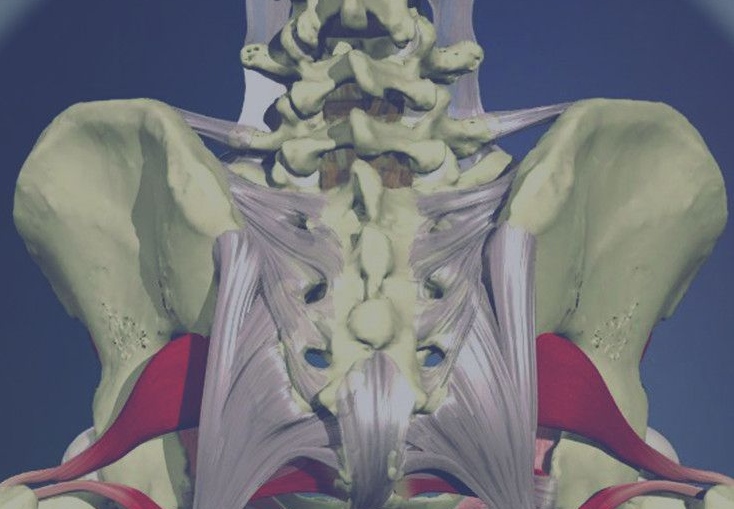
This course provides chiropractors with an in-depth understanding of the SOT® (Sacral Occipital Technique) Three Category System. Participants will learn to identify, evaluate, and correct Category I, II, and III subluxation patterns using SOT® adjusting protocols.
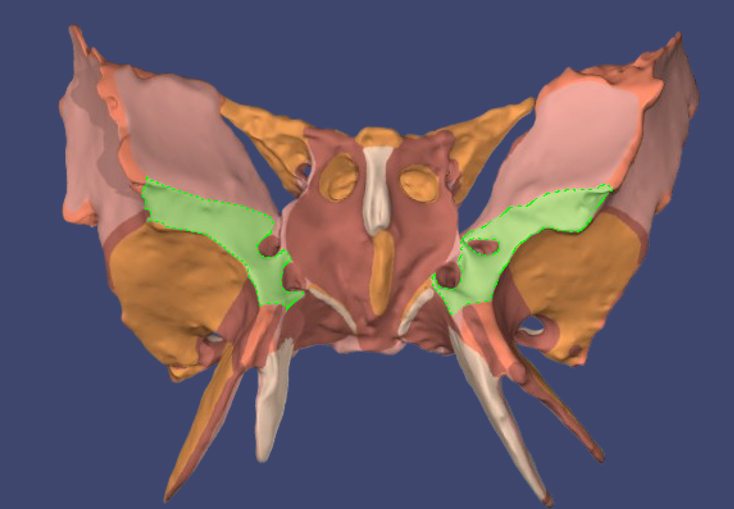
This online course provides an in-depth exploration of the sphenobasilar mechanism (the key to the cranium), focusing on its anatomy, physiology, common distortion patterns, and effective correction techniques. Participants will gain practical skills to evaluate and adjust the sphenobasilar junction, enhancing patient outcomes and expanding their chiropractic expertise.

Understand CSF physiology and into the critical role of cerebrospinal fluid (CSF) within the central nervous system. Learn chiropractic cranial adjusting techniques to improve CSF flow and neurological regulation.
The SOT® Pediatric Certificate Program
Demonstrate your commitment to your profession and patients, enhance your skills, and place yourself on the road to mastery in the art of chiropractic adjustment.