Praise For: Intensive Pediatric Certification Program
Hear directly from our students about the benefits of our program.
-

Xing Yi Ee, DC
My three takeaways:
1. One of my biggest takeaways was understanding how cranial structures, cranial nerve function, CSF circulation and dural meningeal tension are interconnected. Spinal subluxations and altered dural tension may influence the function of the nervous system, highlighting the importance of looking beyond the spine alone when assessing a patient.
2. I previously understood cranial adjustments differently. Through this program, I learned that cranial work is not simply about physically moving cranial bones but rather addressing tension within the cranial system and its relationship with CSF dynamics, allowing the cranial structures to function and adapt more optimally. This was a particularly eye-opening concept for me.
3. I learned that different cranial corrections target different structures and may be relevant to different clinical presentations. At the same time, all cranial bones and structures work together as an integrated system, reinforcing the importance of understanding the cranium as a whole rather than treating each bone in isolation.This program has broadened my clinical knowledge and given me a deeper understanding of cranial anatomy, biomechanics and assessment, an area that I previously had limited exposure to in my practice. Professionally, it has equipped me with additional assessment and manual skills that I can incorporate into my patient care, especially in cases where spinal adjustments alone may not fully address the patient’s presentation/ concern. It has also given me more confidence and a foundation to start exploring paediatric chiropractic practice. Like what Dr Martin and Dr Nancy said, “adding more tools in our toolkit”, I’m grateful that I have this opportunity to learn and improve my skillset. Personally, it has encouraged me to become more curious, open-minded and willing to continuously expand my knowledge beyond what I was previously familiar with.
I have started incorporating cranial techniques such as the Frontal Fruit Jar, Sphenoid Correction and Temporal Balancing when managing patients presenting with chronic headaches. From my clinical experience so far, several patients have reported noticeable improvements in both the frequency and intensity of their headaches following care. This has been encouraging and has allowed me to appreciate how incorporating cranial assessment and techniques can complement my existing chiropractic approach. It has also motivated me to continue practising and refining these skills to better understand how they can be integrated into different clinical presentations.
Yes, definitely! I would recommend this program to chiropractors who are interested in expanding their clinical knowledge and developing their cranial adjusting skills. The course provides a comprehensive learning experience, starting from the fundamentals of cranial anatomy and structure to the different types of cranial corrections and their clinical applications. I particularly appreciate that it covers conditions and presentations commonly encountered in practice, making the knowledge more relatable and applicable. I believe the program provides a good foundation for chiropractors who wish to enhance their approach to patient care, not only for infants and paediatric patients but also for adults.
Coming into this program with very limited experience in cranial work, I found the learning journey both eye-opening and rewarding. It has challenged me to look at patient presentations from a different perspective and reminded me that there is always more to learn in chiropractic practice. I am grateful for the knowledge and practical skills gained, and I look forward to our hands-on practical sessions in January 2027 for deeper understanding and to sharpen on the cranial adjustment techniques!
-

Mandy Hiew, DC
My three takeaways:
1. Having a comprehensive examination checklist for paediatric patients.
2. Understanding how subluxations can affect a child’s growth and developmental milestones.
3. Learning different treatment approaches and techniques specifically for paediatric patients.Although the course focuses specifically on paediatric patients, I have also been able to apply the treatment techniques to my adult patients, and I have found them extremely useful in my clinical practice. On a personal level, as a mother of an 8-month-old baby, this course has given me greater peace of mind. I now have a better understanding of my baby’s neuro health and development. Even if she has any subluxations, I feel more confident in recognizing potential issues early and seeking appropriate treatment before they develop into bigger problems
I applied the anterior femur treatment technique, addressing both adductor and abductor muscle. The patient had been experiencing severe hip pain. After the muscle release treatment, the patient reported significant improvement and felt much better.
Yes, I definitely would recommend this program. The course provides very thorough learning, with detailed explanations that help participants understand both the concepts and practical applications.
Thank you for the valuable learning experience!
-

Dr. Chantel da Silva
My three takeaways:
1. History taking is important. 2. Your assessment helps to find the primary subluxation complex. 3. Indicators are used to track progress and resolution of the compensatory patterns.It was difficult to carve out the time to sit down and study. But the information and understanding it provided could be used the very next day in practice.
In my practice I mainly see neonates and infants. The fruit jar techniques have helped tremendously with my breastfeeding difficulties.
Yes, I would recommend this program to improve your paediatric assessment skills and increase the tools to find and adjust subluxation.
-
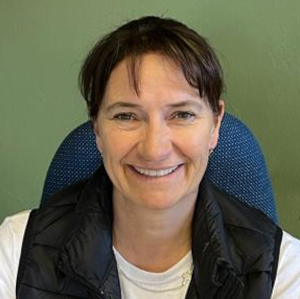
Dr. Sinéad Schoeman
Initially the program felt overwhelming, but the doctors took us through all the steps thoroughly, building on initial foundations. Most of what was learnt could be applied from the first day of any given lesson.
Personally, this course coincided with a tough chapter in my life. It gave me focus. Professionally it changed the way I approached and treated both infants and adults, widening my scope of practice and giving me more tools for my toolbox.
I always struggled with my plagiocephaly patients. I am now seeing faster measurable results.
Yes, I highly recommend this program. Again, it has given me more tools for my toolbox widening my scope of practice. It has given me a more structured approach, taking guesswork out of the equation and given me very specific techniques to apply.
Drs. Nancy, Martin and Ken are all very approachable, no question is looked down upon. They are compassionate and have great passion for chiropractic, education, students and patients.
-
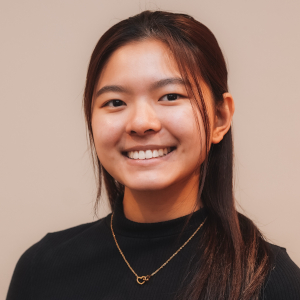
Sandy Wan, DC
Narrowing it down to only 3 takeaways is a hard task. This course has taught me so much, but to list 3 down would be:
1. Understanding that cranial adjusting is not about pushing cranial bones from point A to point B, but rather guiding the body’s primary respiratory system and CSF flow into its most optimal position as the brain continues to grow.
2. Understanding what primary reflexes & neurological tests in the pediatric population translate to at a neurological level, and how we can start our approach in care. Such as how TMJ issues are involved in visual convergence.
3. An even better understanding of cranial bone motion and its involved cranial nerves.Personally, attending this course reignited my passion for chiropractic. Being able to discover new ways to understand and approach our nervous system has excited me to grow in different ways. Professionally, it has improved my method of assessment, including more cranial visual analysis, neurological tests etc., and although there is much to practice, it’s given me a more things to notice, and to tailor my care more specifically
A 6-year-old boy came in asymptomatic, but with a preference to sleep only on one side the whole night. Visually, his left occiput was protruded but I didn’t have the required tools to objectively measure. After assessment, I found restriction in sphenoid extension and also an externally rotated temporal bone. Worked on both and finished off with RTRT and after only 2 sessions, his skull appeared much more balanced. It was such a relief to both mom and I especially so early in care (Also very early in learning this course)
I’d definitely recommend this course to chiropractors, especially those who aspire to provide more for their patients (beyond just adjusting vertebral subluxations)
Thank you for your patience and guidance throughout this 1-year Drs! I’m super excited to meet you guys in person and for this one-of-a-kind seminar to happen. Looking forward to it!
Join Dr. Rosen’s Newsletter
Receive updates on our courses and tips on chiropractic technique, practice management, research and philosophy.
The SOT® Pediatric Certificate Program
Demonstrate your commitment to your profession and patients, enhance your skills, and place yourself on the road to mastery in the art of chiropractic adjustment.