The Role of Primitive Reflexes in Neurological Organization
The Role of Primitive Reflexes in Neurological Organization
The Peak Potential Institute is excited to announce Dr. Courtney Neill’s online program “The Role of Primitive Reflexes in Neurological Organization”. Unlock the foundational keys to understanding neurological development and dysfunction through the lens of primitive reflex integration.
In this online seminar, Dr. Courtney Neill explores how retained or aberrant primitive reflexes influence motor coordination, postural control, sensory processing, and overall neurological organization. Whether you’re working with infants, children with developmental challenges, or adults with chronic compensatory patterns, understanding these early neurological milestones is essential for delivering effective, lasting chiropractic and cranial care.
Build a Stronger Clinical Foundation. Primitive reflexes are more than developmental milestones—they are neurological blueprints. Join us and learn how to identify, assess, and address these foundational patterns to help your patients reach their fullest potential.
Register now and get immediate access to this powerful educational resource.
What You’ll Learn
- The origin, function, and expected integration timeline of key primitive reflexes
- How retained reflexes contribute to structural and functional imbalances
- Evaluation strategies for identifying aberrant reflex patterns
- Clinical correlations between primitive reflexes and learning, behavior, posture, and sensory issues.
Resources Provided
- Online video lectures
- Visual demonstrations
- Downloadable PDF workbook
- Certificate of completion (CEU credits available where applicable)
Course Contents
8 Modules | 8 CTAs
Class 1 – What are Primitive Reflexes
Class 2 – Neurological Pathways of the Brain
Class 3 – Milestones and Brain Development
Class 4 – Primitive Reflexes
Class 5 – Demonstration of Infant Primitive Reflexes
Class 6 – Primitive Reflexes in Older Children
Class 7 – Demonstration of Older Child Reflexes
Class 8 – Integration of the Reflexes
Meet the Instructors

Dr. Courtney Neill is the founder and driving force behind Foundations Family Chiropractic, a beacon of wellness nestled in Beverly, Massachusetts. With a profound dedication to pediatric and prenatal care, Dr. Neill specializes in nurturing the health of young ones and supporting mothers through their transformative postpartum journeys.
A graduate of Parker University in Dallas, Texas, Dr. Neill’s journey in chiropractic care began in 2008. Returning to her roots on the North Shore of Massachusetts, she embarked on a mission to make a difference. Immersed in a clinic focused on brain-injured children, Dr. Neill recognized a crucial need for chiropractors to deepen their understanding of pediatric development and neurology.
Driven by a passion for learning and a commitment to excellence, Dr. Neill embarked on an extensive postdoctorate journey. She attained certification as a Pediatric Specialist from both the Academy of Family Practice and the International Chiropractic Pediatrics Association. Further enriching her expertise, she pursued certification in Pediatric Spinal and Cranial SOT® protocols through the Peak Potential Institute under the mentorship of Drs. Martin Rosen and Nancy Watson.
Foundations Family Chiropractic stands as a testament to Dr. Neill’s unwavering commitment to holistic care. It represents the culmination of her vision—a nurturing space where families can thrive physically, emotionally, and spiritually. Dr. Neill finds her greatest fulfillment in guiding infants, children, and expectant parents toward optimal health and vitality. Through her work, she not only transforms lives but also inspires and educates fellow chiropractors, empowering them to deepen their skills and serve this cherished population with excellence.
Feedback From Our Students
-

Dr. Susan Barrett-Naccarato
You get detailed information in an easy-to-understand module system Comprehensive easy to understand explanations
I have more to offer in regard to recognizing reflexes and providing better care for my littlest patients
I added in testing reflexes to my infant exam, something I’ve been wanting to do for a long time but just didn’t feel competent because I hadn’t studied it yet.
Yes, I would recommend this course. I is broken into easy-to-understand digestible modules.
Thank you for your commitment to our profession!
-
Dr. Susan Naccarato
Instructors are dedicated to your learning classes (esp. the Pediatric Certificate program), are detailed and specific. You can use what you learn upon returning to the office.
I have a better understanding of reflexes and how to test them and recognize them.
I have started testing reflexes during my infant exam. I think parents like watching what I’m doing as I’m dictating findings to my scribe.
Yes, I would recommend this course. It was a good explanation of reflexes.
I appreciate your dedication to our profession.
-
Dr. Brandi Benson
Three takeaways about the role of primitive reflexes in neurological development are: – Understanding neurological development and the order of development can help clue us in to where things may have gone off course. – Primitive reflexes are a window into how well the nervous system is integrated and organized. – Ultimately, as chiropractors, addressing subluxation first helps lay the foundation to how the nervous is balanced and when a subluxation remains, it is harder for the brain to integrate sensory information, properly integrate reflexes, and ultimately can impact how the brain is able to learn and achieve milestones in higher centers of the brain.
This course was a great review on not just what the reflexes are and how to test for them, but on the importance in understanding foundations of neurodevelopment to better assess our young patients in practice.
This course helped deepen my ability to better communicate levels of development with parents/patients and tie together neurological organization and how altered input can alter development.
I would recommend this course to other chiropractors because it provides a strong foundational understanding of the sequence of neurological development and helps deepen insight into how primitive reflexes influence that process. It goes beyond simply identifying a reflex and learning how to test for it – there is meaningful context and clinical application that helps connect reflex patterns to overall development and patient care.
More Courses from Peak Potential Institute
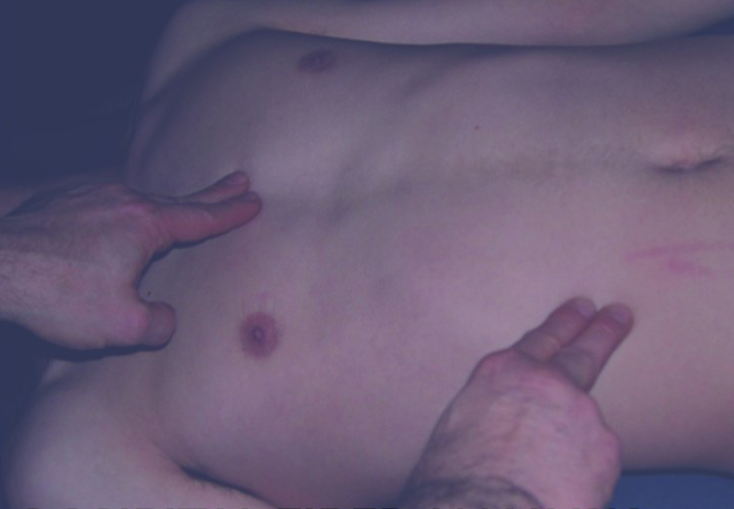
This course offers a deep understanding of the neurological and reflexive relationships between the occipital fibers and organ function. Participants will learn to evaluate, analyze, and apply soft tissue reflex techniques to address systemic dysfunctions.

A course presented by Dr. Brandi Benson, DC, CACCP, CSSPP for pediatric chiropractors, chiropractors in family practice, and doctors seeking to strengthen interdisciplinary communication, professional confidence, and community integration. This course is designed to help chiropractors confidently articulate their role in pediatric care while fostering strong, professional relationships with other providers. Dr. Brandi guides participants through practical frameworks for translating chiropractic and SOT concepts into functional, developmentally relevant language that aligns with the models used by allied health and medical professionals.
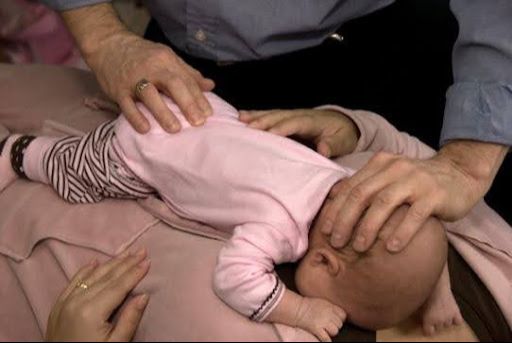
This course explores the sacro-occipital respiratory (SOR) motion and its critical role in neuromusculoskeletal balance and dural integrity. Restore rhythmic motion between sacrum and occiput to improve CSF dynamics, postural balance, and structural integrity.