Praise For:
Chiropractic Care for the Pregnant Patient
Hear directly from our students about the benefits of our program.
1-5 of 188 results
-

Jill Delong, DC
“My three takeaways from this program:
1. This program is an awesome resource for a deeper dive into helping kids with things like ear infections, asthma & allergies, behavior issues, etc.
2. Great material on recognizing dural from structural and what to do about it
3. It will help you learn a very thorough child exam and have confidence.I’ve been in practice for 11 years and this program really helped me resolve some long standing issues with some of the peds patients I have. Personally, this program has helped me to become a more confident doctor in helping more kids.
I have a patient about 3 years old whose primary issue was sleep. She would wake in the night for hours and not be able to go back to sleep. Happy, just not ‘tired’. I’ve applied to protocols and we have her sleeping through the night most nights! Parents are forever grateful!
I have taken multiple courses in the past from others and, although great and useful, this really gets laser beam focused on some very common problems I see regularly in the office. It’s such a different approach when you add more than just the spine to your protocol. We see great results (sometimes faster) when we work with the cranial bones as well.
A great program. We really enjoyed working through each module.”
-

Melanie Kom, DC
“My three takeaways from this program:
1. Early prevention is key and we can make such a great impact before a child is two yrs old and beyond
2. Clinical indicators are important in determining the frequency and specific care a child needs
3. The pediatric exam and case history are powerful tools in patient education and preparing a child patient for carePersonally, this program has made it clear to me that I don’t want to be a jack of all trades especially when it comes to specific, safe, and gentle care for the pediatric population. Cranial adjusting is so fascinating to me and congruent to how I want to serve the children in my community. Professionally, I have found that people are looking for experts in the field of pediatrics and with this work and diving deeper; I can be so refined in my clinical skills to provide state of the art care for these families.
I have been applying that fruit jar technique to a handful of adults and children. The outcome has been less overall tension in neck and jaw and incredible healing with those with seasonal allergies.
100% would recommend this course to others. There are people in our communities looking for us to know exactly when and what to adjust and the expected outcomes and results for the doctor and the patient.
A huge thank you for your time and patience and for stepping out and sharing your wisdom. You are truly legends and creating a beautiful legacy raising other DCs no matter where they are in practice whether it’s fresh like me or one who has been in practice for decades it’s truly an honor. Dr Watson and Dr Rosen, thank you for doing the work and putting it together for a way to inspire other DCs to learn how to be better clinicians for the pediatric population.”
-
Dr. Shannon-Lee Henderson
It is an in-depth approach, it has a structural flow and can be tailored to each individual patient seen.
It has given me a greater perspective on ways to approach treatment for the betterment of my patients
I have incorporated the techniques in conjunction with how I currently treat as a whole. I have seen a difference in how quickly the patients respond by focusing more on the cranial subluxations particularly in the little ones as the primary subluxation pattern.
Yes, I would recommend the course. It will give the practitioner more tools to better be able to serve their patients and community.
Thank you for the great insights into SOT and your dedication to bettering the profession worldwide.
-
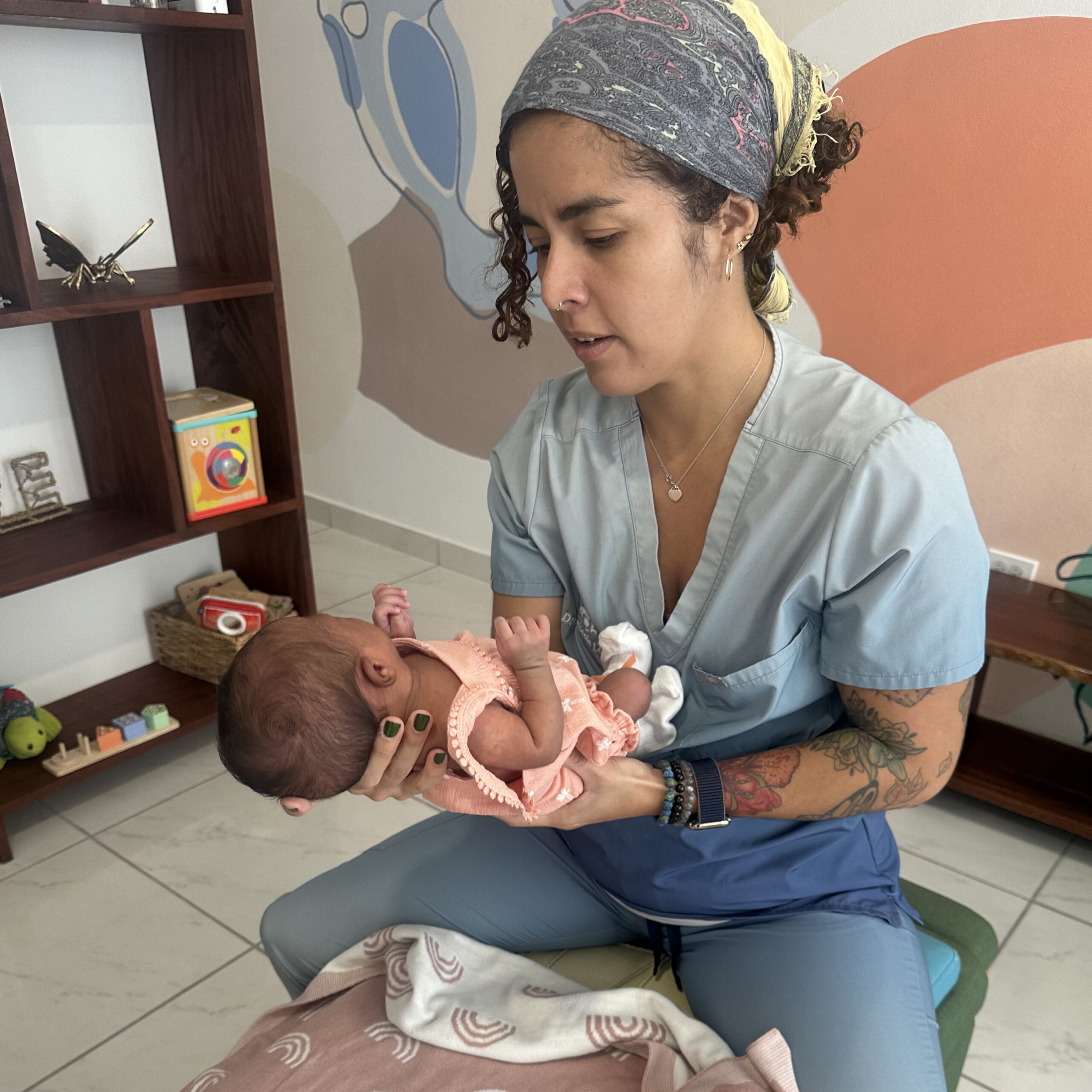
Nicole Lopez, DC
My three takeaways from this program are: Cranial assessment is essential for every pediatric chiropractor. Cranial adjusting helps with general alignment and better outcomes. It requires special skills and a lot of understanding to perform these adjustments.
This program impacted my life because I have seen right in front of my eyes changes immediately in some cases, something that was challenging before.
I had a case of a cranial imbalance; so much the baby had his whole mouth to the left side of his face. I performed the “jar opening” assessment and some other techniques learned in this course. On his 3rdvisit, his mouth was back to normal.I will and I have recommended this program to every pediatric colleague. It is essential information not taught in Chiropractic school. It is an extra tool you can use to help more patients and have an extra specialization in this topic.
I have been working with babies since I graduated from NYCC 11 years ago. I have done all ICPA and some other pediatric and prenatal courses. The thing about this program that I liked the most was the hands-on experience I had practicing with my patients every week. It was amazing the changes I saw immediately in some of them. Thank you so much! I’m looking forward to an in person seminar soon!!
-

Dr. Mike Marinus
My three takeaways:
1. Using indicators gives certainty to patient management. 2. The uniqueness of the growing human and how to approach their developing neurology. 3. Having an amount of time to digest the information makes the difference.This program has increased my toolbox and given me a new lens through which to view Paediatric care.
Settling the SOR in a very challenging reflux case turned out to be the missing ingredient needed to get out of the constant extension and begin building correct motor patterning.
I do recommend this program and will continue to do.
No results found.
Join Dr. Rosen’s Newsletter
Receive updates on our courses and tips on chiropractic technique, practice management, research and philosophy.
The SOT® Pediatric Certificate Program
Demonstrate your commitment to your profession and patients, enhance your skills, and place yourself on the road to mastery in the art of chiropractic adjustment.