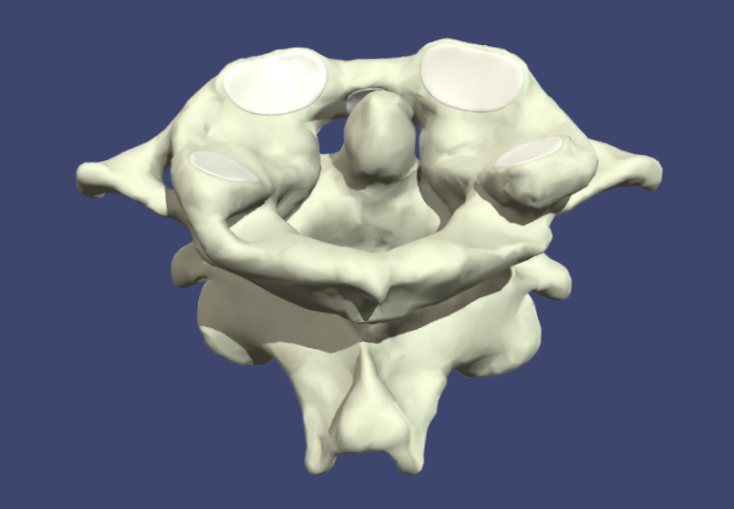
Atlas/Axis Dural Meningeal Restriction
Evaluation & Correction of Atlas-Axis Dural Meningeal Restriction - Master Upper Cervical and Cranial Techniques to Unlock the Body’s Healing Potential
The atlas and axis play a critical role in structural balance, dural tension, and neurological function. When restrictions occur in this area—especially involving the dural meningeal system—they can have widespread effects on posture, CSF flow, and central nervous system regulation.
This focused online course teaches you how to identify and correct dural meningeal restrictions at the upper cervical spine using precise, gentle chiropractic and cranial techniques. By addressing the fascial and meningeal attachments between the occiput, atlas, axis, and cranium, you’ll learn to restore balance, reduce neurological stress, and support long-term spinal stability.
Ideal for chiropractors who want to elevate their cranial and upper cervical skills, this course delivers clinical tools that can transform your approach to both pediatric and adult care.
- Functional anatomy and biomechanics of the upper cervical spine and dural system
- Clinical signs of atlas-axis dural meningeal restriction and how to evaluate them
- Specific adjusting protocols to release tension patterns in the upper cervical/craniocervical region
- How to integrate these techniques with SOT® and cranial adjusting systems
- The impact of dural meningeal correction on global posture, CSF flow, and nervous system balance
What You’ll Learn
- Functional anatomy and biomechanics of the upper cervical spine and dural system
- Clinical signs of atlas-axis dural meningeal restriction and how to evaluate them
- Specific adjusting protocols to release tension patterns in the upper cervical/craniocervical region
- How to integrate these techniques with SOT® and cranial adjusting systems
- The impact of dural meningeal correction on global posture, CSF flow, and nervous system balance
Resources Provided
- Video class modules
- Evaluation & technique presentations
- Practical demonstrations
- Calls to action (CTAs)
- Complete PDF workbooks
- Full transcriptions of video classes
- Email access to Dr. Rosen & Dr. Watson
Why Take This Course?
- Upper cervical and dural tension patterns often underlie chronic subluxations and recurring structural distortions
- These techniques provide a non-invasive, powerful way to influence neurological function and healing capacity
- Addressing dural restrictions can improve outcomes in patients with postural instability, cranial distortions, TMJ dysfunction, sensory challenges, and more
Who Is This Course For?
Chiropractors who want to:
- Strengthen their cranial and upper cervical technique repertoire
- Offer care that targets deep, neurologically significant restriction patterns
- Improve outcomes in complex cases—especially involving posture, balance, and sensory integration
- Provide more precise and sustainable corrections in a neurologically-based practice
If you’re committed to delivering the highest quality care through a detailed understanding of cranial and spinal mechanics, this course is your next step. These protocols are not just advanced—they’re essential for chiropractors looking to make lasting change from the inside out.
Course Contents
5 Modules | 5 CTAs
-
Module 01 Primary Meningeal Subluxation
-
Module 02 Nervous System Development
-
Module 03 Key Continuities of the Dural Meningeal System
-
Module 04 Evaluation of Atlas/Axis Dural Meningeal System
-
Module 05 Correction of Atlas/Axis Dural Meningeal System
Meet the Instructors
As early as first quarter in chiropractic school they were attracted to each other’s commitment to chiropractic and the pursuit of excellence. Their combined 80 years of personal and clinical and teaching experience, in delivering the chiropractic adjustment is unparalleled in the chiropractic profession. Their international outreach through teaching, writing and lecturing has been a driving force in their personal and professional careers since their first seminar taught together as students, in 1979.
Their years of experience have taught them what works and what does not work to create a successful practice and lifestyle. The more competent and comprehensive your expertise you will find that more patients will seek your services and your practice will grow exponentially.

Feedback From Our Students
-

Dr. Jazmine Warden
“I took this program to understand the importance of Atlas/Axis subluxation in the early years of life, how to correct it and how to educate patients on it. I have spoken to mothers with children under the age of 10 years old about the long-term effects this can cause their children during the growth process of their nervous system and the dysfunction it will cause.
I would absolutely recommend this program. It is knowledgeable and a lot of people don’t understand the statistics or the effects this subluxation can cause long term. I believe that increasing the ability to understand the neurophysiological process of the body will only allow you to help and educate your patients more and then you are able to broaden your horizon with helping all of your community and not just a certain age group.”
-

Dr. Laura Godfrey
“I decided to take this course to enhance my clinical skills and increase my confidence with the desire to make a greater impact on my patients.
By sharing with a patient what I have learned about the brain development in this class she has since started her young son who is on the spectrum and in danger of being kicked out of daycare due to his behavior. I am pleased to say that what I have learned in this class and the sphenobasilar class he is doing better. Both the daycare people and his mom and dad have noticed a significant difference in his behavior.
The modules were concise and the videos with demonstrations were easy to follow and the call to action after each video were thought provoking and acted as a way to continue to review the material after the course if done. I would highly recommend this course.”
-

Dr.. Shantai Mancuso
3 Takeaways:
1. Relationship of dural meningeal system and C1/C2.
2. Pediatric leg length assessment for C1/C2.
3. Explaining how birth affects the dural meningeal system to patients.It has helped with patient education re: dural system.
I have begun using leg length and the atlas and axis adjustments in my practice. I am still working on the best way to efficiently perform the leg length tests on fussy and uncomfortable babies.
The information was interesting, Thank you!!
More Courses from Peak Potential Institute

This comprehensive online course delves into the anatomy and functionality of the vestibular system, emphasizing its role in balance, posture, coordination, and sensory processing. Participants will learn to evaluate and identify deficits and imbalances affecting overall health and functional capacity as well as adjusting protocols to address these issues.
A course designed for parents, caregivers, chiropractors, and healthcare professionals.
Every child deserves the best start possible. But subtle cranial and facial distortions — often dismissed as “common” — can disrupt key developmental milestones during the most critical years of brain growth. This course helps you recognize those early red flags. Led by Drs. Marty Rosen and Nancy Watson, with parent-child coach Ashley Dalidowitz, you’ll learn how these structural imbalances affect neurological function and what you can do to support optimal development from the start. Whether you’re a parent seeking answers or a professional supporting pediatric families, this course offers the insight, tools, and clarity you need to support your child’s optimal functional development.

Ready to elevate your practice and transform patient outcomes? Our 38-class ONLINE Cranial Immersion Class offers an unparalleled opportunity to learn chiropractic cranial adjusting SM protocols from A to Z. Designed for practitioners eager to master the art and science of cranial work, this immersive course will guide you through every aspect—from foundational anatomy to advanced correction techniques.