Praise For: SOT® Pediatric Online Certificate Program
Hear directly from our students about the benefits of our program.
-
Dr. Oceane Clement
“A real privilege to have direct teachings from two very experienced chiropractors. Although this is a content-rich course it is very well organised and structured. Dr. Rosen and Dr. Watson are both very responsive in their replies and eager to help and provide clarification on any questions. Although I did the online version of this course I still felt I had hands-on experience thanks to the ‘call of action’ part of the course that gives you direction and steps on how to implement and incorporate the new techniques in your current practice.
Taking this course had a profound impact on my practice. It enhanced my clinical skills about the pediatric population, gave me the necessary directions to change my first visit in order to make it a lot more comprehensive and taught me what to look for. Not only that but it gave me additional knowledge to be able to educate the parents on what they can look for and do at home to help their children thrive. I found parents also like to understand how things work and that course gives you the knowledge necessary to be a good communicator in the context of a family-based practice. Furthermore this course added so many new tools in my belt and that in turn gave me the confidence to see pediatric patients with more challenging issues. This changed my outlook on what I was offering and the added confidence definitely caused a positive energy shift that was much needed in my practice.
It is hard to summarise the numerous clinical pearls that I was able to apply in my practice with a great outcome, however one thing came to mind was a 7 year old with intense chronic migraines that had been under my care for some time, and although he was getting some relief with his adjustments we were never able to fully keep his migraines at bay. Following the course I started working on his sphenobasilar and temporals, the effect was almost immediate with the migraines disappearing completely after a couple of visits. Another patient with years of chronic constipation received immediate relief after implementation of cranial adjustments.
I would definitely recommend this course to others, being able to have a full 10 months course online is such a privilege, especially for chiropractors living outside of the US and who can’t easily participate in in-person seminars with Dr. Rosen and Dr. Watson.
I have to say I’m in admiration of how you guys were able to share your knowledge in such a clear and supportive way, considering all of it was online I’m sure it’s no mean feat and I feel very privileged to have participated in what you had to offer. Thanks again!”
-
Dr. Cassandra Conry
“I have a growing number of kids in my practice and when speaking with midwives and lactation specialists I saw a growing need to improve latch through improvement of the cranial vault.
I took your ICPA cranial seminar years ago and was able to apply and start practicing some of the corrections at that time. I feel that that base of development allowed me to learn and apply more of the adjustments and cranial/palate corrections right away. Without that, I feel that I would have struggled through the content. The amount of repetition in the course is very helpful and allows the student to move on before mastery and still be able to understand and apply specific corrections as they come up. If I wasn’t currently treating 10+ babies per day I do not think I would have been able to leave this course with the confidence I was seeking. It is my opinion that this course is for an experienced chiropractor who has had a large portion of infant and adolescent patients for greater than a year.
I have grown significantly in my knowledge and confidence when it comes to cranial correction in infants. This has provided greater, faster results and I have seen that population grow faster than I ever expected. I have also grown greatly in the way I am able to examine and communicate the importance of care for the child to parents. I know that I will need lots of time and practice to master all of the corrections but I feel like I have accomplished a great deal these last 10 months in my professional skills and I am very proud of myself and thankful to this program.
Just the other day, I had a 5 day old come in that was set to have a tongue tie in a week and the parents had been told to see me before the procedure. Baby presented in a tense primitive fetal position with very little stretching out or head movement reported. Mom said that the baby was very hard to dress and seemed very uncomfortable. I assessed, and did an occiput and sphenobasilar correction, palate work and facial fruit jar after, and released psoas on the left. I saw the baby 2 days later and she presented with her neck able to extend, her arms and legs relaxed, and parents reported more content and much easier to dress! I will continue to see her until her tongue tie and help her to heal and acclimate to the release.
Yes I would definitely recommend this class to others! It is very organized and repetitive to help with understanding the deep dive into SOT® and pediatric modification. The instructors make themselves fully available for questions and the course assignments are very helpful with application of each module.
Anyone looking to dive deeper into evaluation and correction of cranial distortion will benefit greatly by joining this study! It was a challenging 10 months, but it was very rewarding for me and I came out with an incredible confidence to better care for the infants and children in my practice.
Thank you both for an excellent course!” -

Denise Miranda, DC
“In my community there aren’t many pediatric chiropractors and being one of the few, I promised myself that I would do my best to learn as much as I possibly could to better myself as a pediatric chiropractor. There’s no better way to do that than by learning from Drs. Rosen and Watson who are experts in the field of pediatric chiropractic. Three takeaways I received from this course:
1. Proper chiropractic care in the pediatric population cannot be underestimated especially because that is when the body system is most vulnerable and developing very quickly.
2. Craniosacral and SOT® are very highly effective techniques when it comes to treating the pediatric population.
3. Less is better.I feel like I still have much to learn from the course. With that being said though, I do feel like taking this course has given me a different perspective and ability on how I do my evaluation and treatment on the pediatric population. Thus, slowly building my confidence and skills.
In my practice I deal with many tongue tie and lip tie issues. Currently I had a 3 month baby get a revision done but continue to have difficulties with breastfeeding which left the mother hurting and discouraged. After doing some intra oral correction and the fruit jar procedure, we were able to get a significant improvement in the baby latch and feeding which created less pain for the mother.
I would highly recommend this course to other chiropractors. Dr. Rosen does an amazing job of explaining, simplifying, and demonstrating the methodology behind his evaluation and adjusting protocol. Which in turn inspires you to want to get to that same level of expertise.
You don’t realize the lack of knowledge and skills you have when it comes to treating the pediatric population until you go through this course. I’m very thankful to Dr. Martin and Dr. Watson for taking the time to put this course together to help other chiropractors like myself become better and successful in treating the pediatric population. It’s truly an honor to learn from Dr. Martin and Dr. Watson!”
-
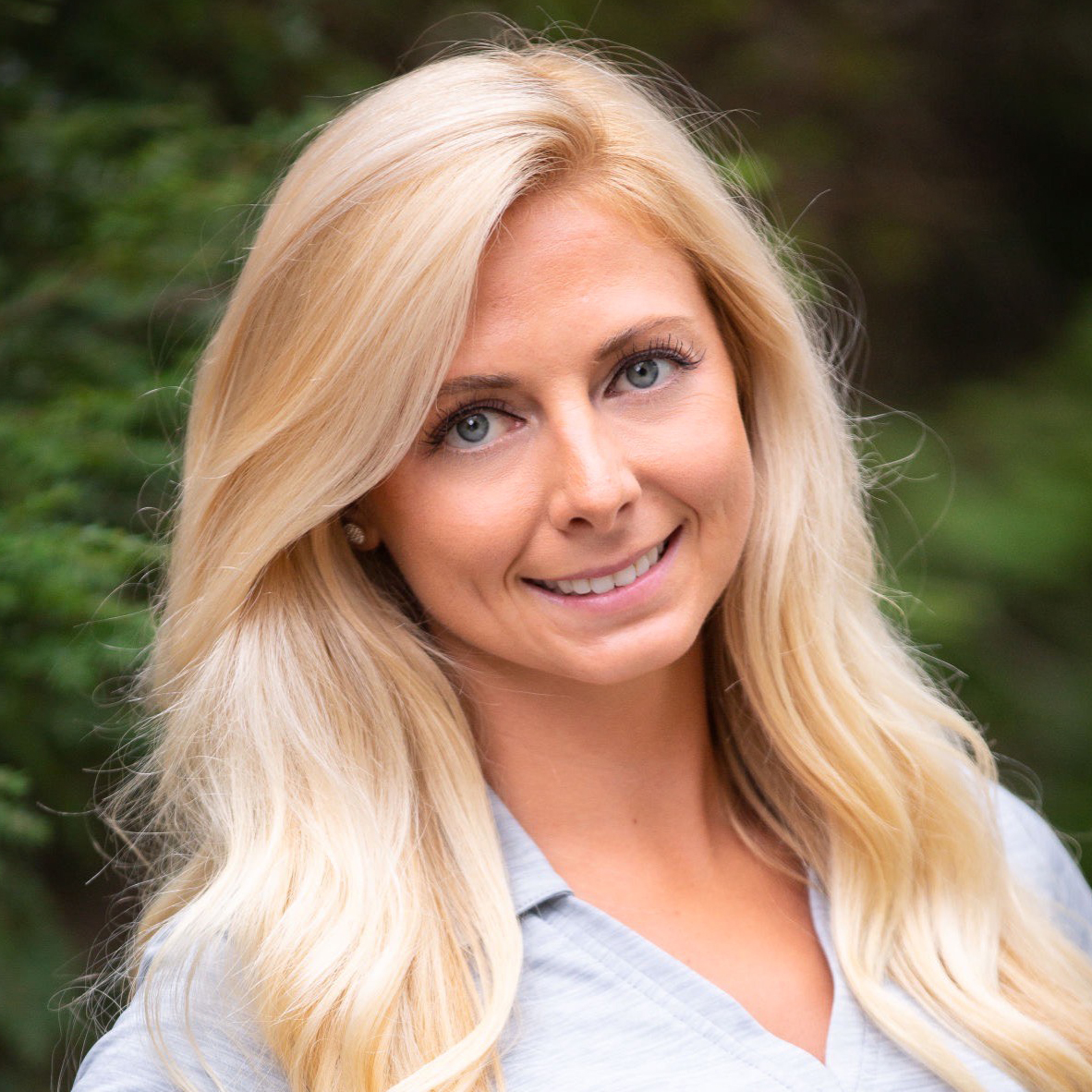
Serena Heard, DC
“I took this program because I was seeing many cranial issues in practice and most importantly with my niece. I wanted to have a better understanding of the cranium function and its impact on the rest of the body.
I know have a detailed/structured exam to exhibit confidence in my expertise to parents. I can better communicate with parents about the source of the issue. (I still need more practice on this) and I have a much better ‘feel’ and understanding of cranial bone movement and mechanics. (This program is just the beginning; this will be a lifetime of learning)
I have more confidence and guidance on where to begin. I feel I have many tools in the tool box.
I am seeing a huge improvement with nursing/latching, balancing vagal tone (gag reflex) and sympathetic driven kids.
This course will give you all the information you need. Can be overwhelming, but rewarding when things begin to ‘click’.
I did not have any type of direction when treating children prior to this course. This course is INTENSE, but if you feel like you are missing something and want to improve patient outcomes I highly recommend this course. Within a few months I was seeing a HUGE improvement in patient outcomes.
I was overwhelmed in the middle of the program (life in the way) and when I took a step back and spent a week picking out my favorite techniques for specific conditions and positive findings, it allowed me to regain focus and better understand.”
-

Dr. Tamara Perrotte
“I took this program because I wanted to expand and deepen my knowledge on pediatric chiropractic care and also start learning cranial work so that I can better help my community on Aruba.
My three takeaways:
1. Having a thorough examination and history in order to get a whole picture of the patient and to get a baseline and a place to start.
2. Less is more with pediatric patients
3. The importance to get pediatrician patients to get checked as early as possible in order to balance their system and make long lasting changes if requiredPersonally it has given me a greater awareness of the growth and development of my own child and the children of friends and family. Professionally it has given me new tools and a framework to work from. I have been having difficulty starting to start working on children since my thoughts and skills felt like they were all over the place and very unorganized even the way I have to explain the importance was at least for me sounding very confusing and this program has given me the ability to streamline everything and with that building my confidence. I am now taking proper steps to build in these new skills in my practice and I am so excited for it.
I am just starting to build my pediatric practice but have a young preemie patient I have been working on his TMJ and palate from a possible tongue tie and since we started he has not needed to do a revision and he is thriving.
I definitely would recommend this course. It’s a beautifully comprehensive program that guides you step by step in working with the pediatric population. The guidance from Facebook, via email, the live session and the learning videos are beyond words. You are fully supported from start to finish and beyond.
This program is an overwhelming amazing experience. I have gained so much insight and knowledge that I am beyond excited. I have found a program that has guided me in how to start my pediatric practice and where to go to expand on it. If you want to work with a pediatric population but struggle where or how to start like me then this program is the best investment in order to do so. Also if you have an interest in cranial work this also helps you start in that regard.
I am just very blessed that Dr. Rosen suggested that I do the program. And cannot wait to do the live sessions with Dr. Rosen and Dr. Watson.”
No results found.
Join Dr. Rosen’s Newsletter
Receive updates on our courses and tips on chiropractic technique, practice management, research and philosophy.
The SOT® Pediatric Certificate Program
Demonstrate your commitment to your profession and patients, enhance your skills, and place yourself on the road to mastery in the art of chiropractic adjustment.